
Outbreak Investigation | Open Access | Volume 9 (4): Article 185 | Published: 10 Nov 2026

Views: 23
Menu, Tables and Figures
| Table 1: Clinical, Epidemiological, and Laboratory Characteristics of Suspected and Confirmed Yellow Fever Cases (n=25), Offinso Municipal and Afigya Kwabre South District, Ghana, 2024 | ||||||||||
| Case ID | Age (years) | Sex | Sub-district | Date of Onset | Date of Sample Collection | Key Symptoms | Vaccination Status | ELISA IgM | PCR | Classification |
|---|---|---|---|---|---|---|---|---|---|---|
| C001 (Index) | 31 | Female | Afigya Kwabre South | 03-Jun-24 | 04-Jun-24 | Fever, jaundice | Vaccinated | Positive | Positive | Confirmed YF |
| C002 | 14 | Female | Offinso Municipal | 29-Jul-24 | 02-Aug-24 | Fever, jaundice | Unknown | Positive | Positive | Confirmed YF |
| C003 | 3 | Male | Offinso Municipal | 30-Jul-24 | 06-Aug-24 | Fever, jaundice | Unknown | Positive | Positive | Confirmed YF |
| C004 | 4 | Female | Afigya Kwabre South | 07-May-24 | — | Fever, jaundice | Unknown | Not done | Not done | Suspected |
| C005 | 6 | Male | Afigya Kwabre South | 12-May-24 | — | Fever, jaundice | Unknown | Not done | Not done | Suspected |
| C006 | 3 | Female | Afigya Kwabre South | 20-May-24 | — | Fever, jaundice | Unknown | Not done | Not done | Suspected |
| C007 | 5 | Male | Afigya Kwabre South | 22-May-24 | — | Fever, jaundice | Unknown | Not done | Not done | Suspected |
| C008 | 4 | Female | Afigya Kwabre South | 27-May-24 | — | Fever, jaundice | Unknown | Not done | Not done | Suspected |
| C009 | 2 | Female | Afigya Kwabre South | 28-May-24 | — | Fever, jaundice | Unknown | Not done | Not done | Suspected |
| C010 | 4 | Male | Afigya Kwabre South | 28-May-24 | — | Fever, jaundice | Unknown | Not done | Not done | Suspected |
| C011 | 9 | Female | Afigya Kwabre South | 08-Jul-24 | — | Fever, jaundice | Unknown | Not done | Not done | Suspected |
| C012 | 11 | Male | Afigya Kwabre South | 15-Jul-24 | — | Fever, jaundice | Unknown | Not done | Not done | Suspected |
| C013 | 19 | Female | Afigya Kwabre South | 17-Jul-24 | — | Fever, jaundice | Unknown | Not done | Not done | Suspected |
| C014 | 3 | Female | Afigya Kwabre South | 22-Jul-24 | — | Fever, jaundice | Unknown | Not done | Not done | Suspected |
| C015 | 12 | Female | Afigya Kwabre South | 23-Jul-24 | — | Fever, jaundice | Unknown | Not done | Not done | Suspected |
| C016 | 3 | Male | Afigya Kwabre South | 24-Jul-24 | — | Fever, jaundice | Unknown | Not done | Not done | Suspected |
| C017 | 3 | Female | Afigya Kwabre South | 25-Jul-24 | — | Fever, jaundice | Unknown | Not done | Not done | Suspected |
| C018 | 4 | Female | Afigya Kwabre South | 28-Jul-24 | — | Fever, jaundice | Unknown | Not done | Not done | Suspected |
| C019 | 2 | Female | Offinso Municipal | 10-Jun-24 | — | Fever, jaundice | Unknown | Not done | Not done | Suspected |
| C020 | 8 | Male | Offinso Municipal | 05-Jul-24 | — | Fever, jaundice | Unknown | Not done | Not done | Suspected |
| C021 | 9 | Female | Offinso Municipal | 22-Jul-24 | — | Fever, jaundice | Unknown | Not done | Not done | Suspected |
| C022 | 11 | Male | Offinso Municipal | 28-Jul-24 | — | Fever, jaundice | Unknown | Not done | Not done | Suspected |
| C023 | 19 | Female | Offinso Municipal | 29-Jul-24 | — | Fever, jaundice | Unknown | Not done | Not done | Suspected |
| C024 | 27 | Male | Offinso Municipal | 30-Jul-24 | — | Fever, jaundice | Unknown | Not done | Not done | Suspected |
| C025 | 20 | Female | Offinso Municipal | 31-Jul-24 | — | Fever, jaundice | Unknown | Not done | Not done | Suspected |
Table 1: Clinical, Epidemiological, and Laboratory Characteristics of Suspected and Confirmed Yellow Fever Cases (n=25), Offinso Municipal and Afigya Kwabre South District, Ghana, 2024
Samuel Nii Amaah-Quao1, Samuel Appiah1, David Kwaku Sarkodie1, Rosaline Dapilah1, David Yaw. Asigre3, Solomon Boakye2, Richeal Odarkor. Mills4, Charles Lwanga Noora1,&, Ernest Kenu1
1Department of Epidemiology and Disease Control, Ghana Field Epidemiology and Laboratory Training Programme, University of Ghana, Legon, Accra, 2Ashanti Regional Health Directorate, Ghana Health Service, Ghana, 3Adansi Akrofuom Health Directorate, Ghana Health Service, Ghana, 4Department of Biomedical Sciences, University of Cape Coast, Cape Coast, Ghana
&Corresponding author: Charles Lwanga Noora; Ghana Field Epidemiology and Laboratory Training Programme, University of Ghana School of Public Health, Accra, Ghana. Email: nooralwanga@gmail.com ORCID: https://orcid.org/0000-0002-7926-9891
Received: 22 Dec 2025, Accepted: 03 Nov 2026, Published: 10 Nov 2026
Domain: Field Epidemiology
Keywords: Yellow Fever, Attack Rate, Vaccination Coverage, Ghana
©Samuel Nii Amaah-Quao et al. Journal of Interventional Epidemiology and Public Health (ISSN: 2664-2824). This is an Open Access article distributed under the terms of the Creative Commons Attribution International 4.0 License (https://creativecommons.org/licenses/by/4.0/), which permits unrestricted use, distribution, and reproduction in any medium, provided the original work is properly cited.
Cite this article: Samuel Nii Amaah-Quao et al., Yellow fever outbreak investigation in Offinso Municipal and Afigya Kwabre South, Ashanti Region, Ghana, 2024. Journal of Interventional Epidemiology and Public Health. 2026; 9(4):185. https://doi.org/10.37432/jieph-d-25-00332
Introduction: On July 4, 2024, the Ashanti Regional Health Directorate was notified of one suspected case of Yellow Fever in the Afigya Kwabre South District. Blood samples taken to the National Public Health Reference Laboratory were confirmed IgM positive for Yellow Fever. We investigated to determine the outbreak’s magnitude, conduct risk mapping, assess vaccination coverage and implement control measures.
Methods: We conducted a descriptive investigation from July 10 to July 19, 2024. A suspected case was defined as any person residing or working in Saaboa in Offinso Municipal with unexplained acute onset of fever (>38oC) with jaundice OR bleeding from the mouth, nose, gums, eyes, and vomiting blood from May 21, 2024. Health records were reviewed. We developed data collection tools and conducted in-depth interview with the index case. Case search and environmental assessments were performed. Quantitative data were analysed using descriptive statistics in Microsoft Excel 365, and a choropleth map was generated with QGIS 3.34. Interview responses were reviewed, organised into themes related to clinical presentation, healthcare-seeking behaviour, and possible exposure history, and summarised narratively.
Results: Of the 25 suspected cases, 12% (3/25) were laboratory-confirmed by detection of yellow fever-specific IgM antibodies and viral RNA using PCR. A total of 42 households, comprising 168 members, were screened, with an attack rate of 1.76% (3/168). The median age of cases was 4 years (IQR: 1-23). Females accounted for 64% (16/25), and 44% (11/25) were aged 0-4 years. Risk mapping identified Saaboa as a high-burden area. Only 22% (37/168) of respondents were aware of yellow fever symptoms, and 8.3% (14/168) reported having been vaccinated against yellow fever. The index case reported frequent visits to health facilities with varying diagnoses. Vaccination coverages were persistently underperforming from 2019 to 2023 in Bonsua and Kwagyekrom subdistricts. Vernal pools (42.9%) were the most common breeding grounds in the Saaboa community, containing a large number of mosquito larvae. Control measures included community sensitisation.
Conclusion: Three yellow fever cases were laboratory-confirmed. The investigation identified vaccination coverage gaps, delayed recognition of the index case, low awareness of yellow fever symptoms among surveyed respondents, and potential mosquito breeding sites in affected communities. These findings support strengthening early case recognition, risk communication, mass vaccination, and environmental management, such as vector management, in high-burden areas to prevent future outbreaks.
Yellow fever (YF) is an acute viral infection transmitted by infected mosquitoes, such as Aedes spp. and Haemagogus spp., with about 15% of infected people developing severe symptoms [1]. Yellow fever was once one of the most widespread and feared epidemic diseases in Africa, Europe, and the Americas[2]. It is expected to cause more cases in the coming years and remains a subject of strong scientific and public interest [3,4]. It is associated with fever, jaundice, abdominal pain, vomiting, bleeding, and kidney failure. Within 10 to 14 days of infection, 20-50% of severe cases die [5].
Yellow Fever Virus infection remains a public health issue in certain regions of the world despite the availability of the YF vaccine (YFV). Globally, about 90% of deaths occurred in Africa [6]. A 2020 systematic review and meta-analysis reported a rising burden of Yellow Fever across the African continent, with Ghana having the highest cumulative incidence (1,267 cases per 100,000 population) and a total of 10,350 confirmed cases. The case fatality rate in Ghana was estimated to range between 10% and 17% [7]. Ghana is a high-priority country for the Eliminate Yellow Fever Epidemic (EYE) initiative[8].
The Ashanti region of Ghana is considered at risk for YF, with historical records documenting yellow fever outbreaks in the region [9]. On the 4th of July, 2024, the Ashanti regional health directorate was notified of a suspected case of Yellow Fever in the Afigya Kwabre South district. Blood samples were sent to the National Public Health and Reference Laboratory, which confirmed the case as IgM-positive. The Ghana Field Epidemiology and Laboratory Training Programme was invited to help investigate the outbreak, with the objectives of determining its magnitude, conducting risk mapping, assessing vaccination coverage, and implementing control measures.
Outbreak setting
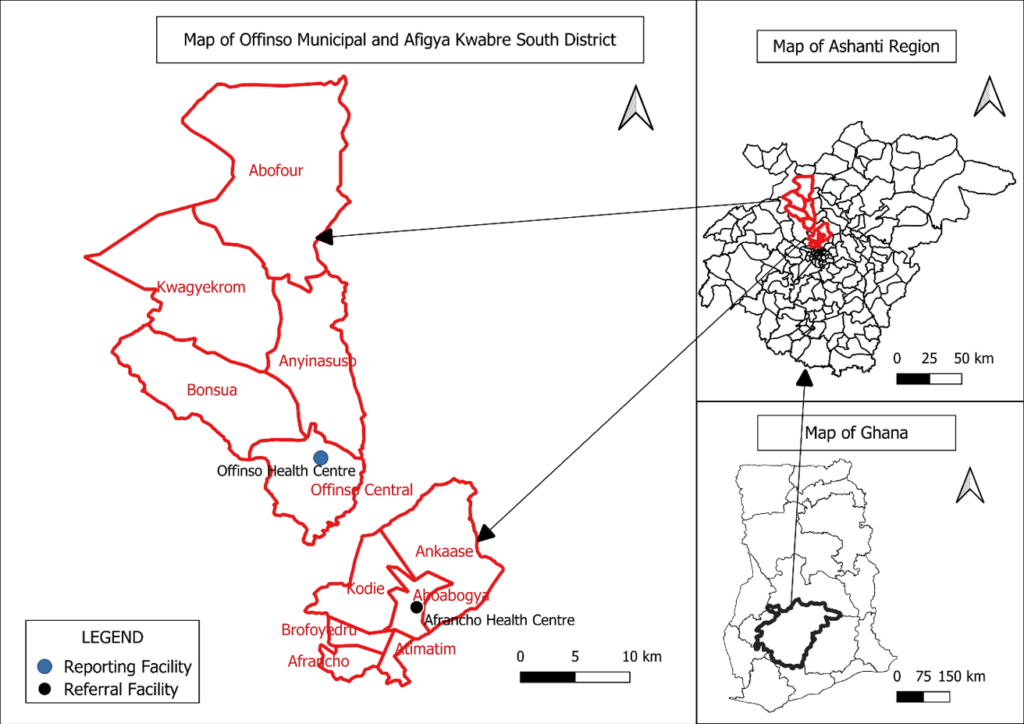
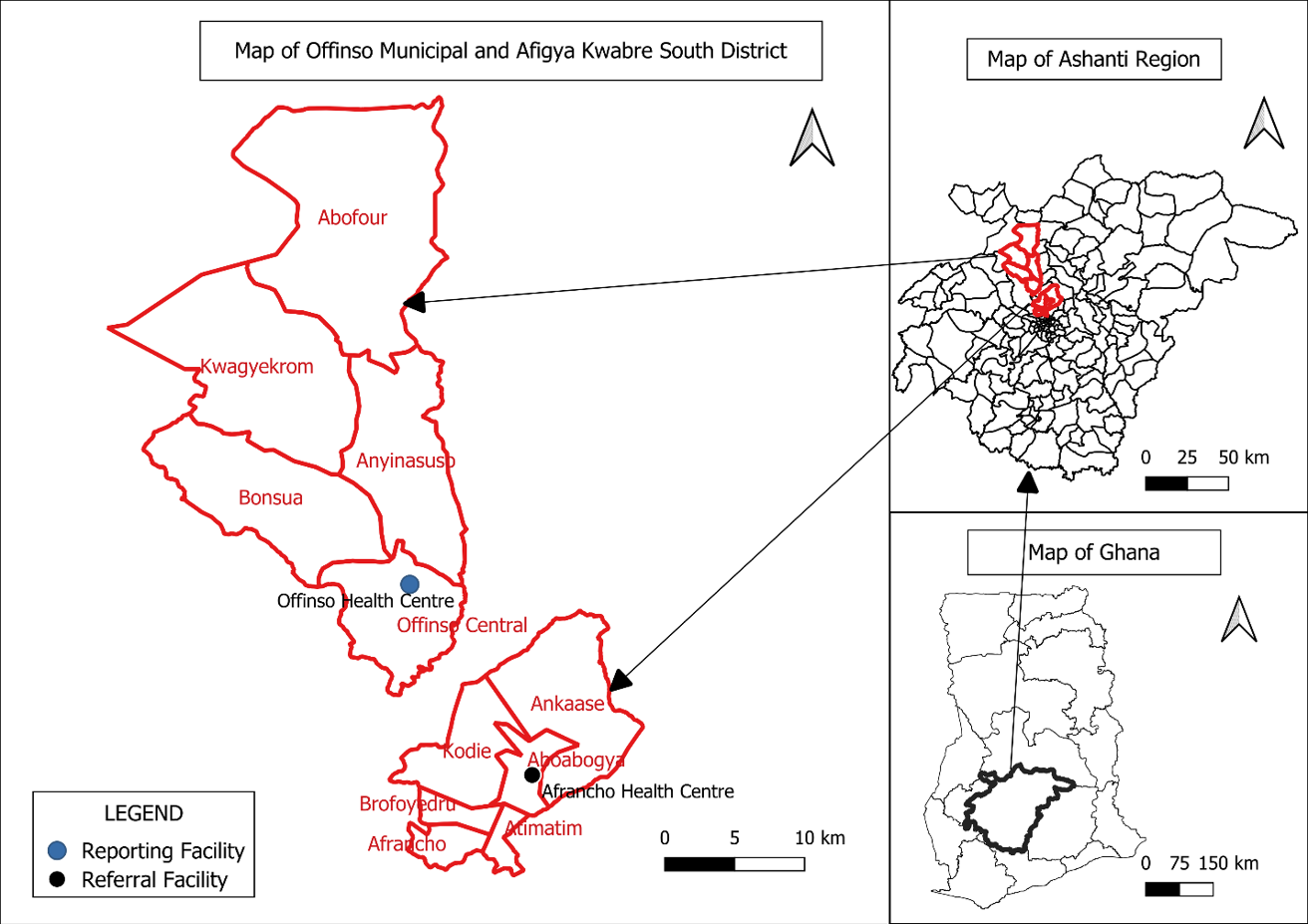
The yellow fever outbreak investigation involved two districts: Afigya Kwabre South District, where the index case was identified, and Offinso Municipal, where the index case resides. The population of Offinso Municipal is 137,272, with an annual population growth rate of 2.1% [10]. The municipality is divided into five sub-districts: Abofour, Anyinasuso, Bonsua, Kwagyekrom, and Offinso Central. The municipality experiences a wet semi-equatorial climate with temperatures between 21ºC and 32ºC, and major rainfall from May to June. The municipality has 18 healthcare facilities, which include three hospitals, four health centres, two clinics, and nine Community-based Health Planning and Services (CHPS) zones. Offinso New Town is the only planned settlement, while the rest of the municipality, especially Offinso Central and Abofour, suffers from poor drainage, surface dumps and erosion. Liquid waste is often thrown in open spaces [11].
Stakeholder engagement
Stakeholder engagement for the yellow fever outbreak investigation began with a virtual preliminary meeting on Zoom on 9th July 2024, to plan the investigation and discuss Terms of Reference (ToR). Upon arrival in the Ashanti region, the investigation team met with the Regional Disease Control Officer (RDCO) for a case debriefing. On 10th July, the team debriefed the Regional Health Management Team (RHMT), followed by entry meetings with all health facilities visited in Offinso Municipal and Afigya Kwabre South District.
Outbreak case definitions
Suspected case: Any person residing or working in Saaboa in Offinso Municipal with unexplained acute onset of fever (>38oC) with jaundice OR bleeding from the mouth, nose, gums, eyes, and vomiting blood from 21st May 2024.
Probable case: A suspected case with an epidemiological link to a confirmed case or outbreak.
Confirmed case: Any suspected or probable case with one of the following: detection of Yellow Fever Virus-specific neutralising antibodies OR detection of Yellow Fever virus genome in blood or other organs by Polymerase Chain Reaction (PCR) OR detection of YF antigen in blood.
Data and information gathering
Consulting room registers, patient folders, and Outpatient Department (OPD) data from the Lightwave Health Information Management System (LHIMS) were reviewed from 21st May 2024 to identify cases, supplemented by the municipal line list. In Saaboa, where the index case resided, an in-depth interview was conducted with the index case, and an additional community case search was carried out using the outbreak case definition. All households with suspected or confirmed cases and their immediate neighbouring households within the affected communities were included in the investigation, and all available household members present at the time of the visit were included in the screening. Households that could not be accessed or had no consenting members at the time of the visit were excluded from the assessment.
Risk assessment
Interviews with Health Promotion Unit staff were conducted to identify gaps in yellow fever prevention messaging, and existing communication materials were reviewed. A semi-structured questionnaire was administered to community members in Saaboa and nearby areas to assess knowledge of yellow fever. Environmental assessments in high-burden communities identified mosquito breeding sites, including vernal pools, hand-dug wells, pits, septic tanks, and open drains, while household sanitation and wastewater disposal practices were also examined.
Vaccination coverage
We reviewed records from 2019 to 2023 to identify gaps in vaccination coverage by subdistricts in the two districts. We examined annual vaccination records, compared them to the Expanded Programme on Immunization (EPI) target coverage, and identified trends over the years.
Laboratory investigation
Blood samples were collected from selected suspected cases identified during the investigation, particularly those identified through community case search. Enzyme-linked immunosorbent assay (ELISA) was performed to detect yellow fever-specific IgM antibodies, and PCR testing was conducted for selected cases to detect viral RNA. Due to limited laboratory resources, not all suspected cases were subjected to laboratory testing; therefore, some cases were assessed based on clinical presentation and epidemiological linkage.
Rapid assessment of response measures
During the Rapid Assessment of Response Measures, we focused on social mobilisation efforts related to the index case. In Saaboa and adjacent communities, municipal response teams were expected to implement response measures. We also examined response measures implemented by neighbouring districts, particularly Afigya Kwabre South (Afrancho Polyclinic), where the index case sought treatment.
Descriptive analysis
Responses from the structured questionnaire were imported into Microsoft Excel 365, cleaned and analysed. Descriptive analysis was performed by person, place, and time. Categorical variables were summarised as frequencies and percentages. The responses were reviewed and organized into key themes related to clinical presentation, healthcare-seeking behaviour, and possible exposure history, and were summarised narratively. Spatial distribution of cases was analysed to identify subdistricts with the highest burden of yellow fever using QGIS 3.34. Time analysis included an epidemic curve to show the outbreak’s progression over time. Household attack rates were calculated.
Ethical consideration
Ethical clearance was not required for this outbreak investigation in line with Ghana Health Service and Ghana Field Epidemiology and Laboratory Training Programme guidelines. Approval was obtained from the Ashanti Regional Health Directorate, and community leaders were informed prior to data collection. Informed consent was obtained from all participants before data collection. All information collected was treated with strict confidentiality, and personal identifiers were removed to ensure anonymity.
Magnitude of outbreak
We identified 25 suspected cases. Four cases were found through health records review, and 21 were found through community case searches. Three of these cases were laboratory-confirmed, giving a positivity rate of 12%. One laboratory-confirmed case came from health records and two came from community searches (Table 1). We screened 42 households representing 168 individuals. Based on the laboratory-confirmed cases, the attack rate was 1.79% (3/168). Among all 25 cases, 16 were female (64%), and 11 were children aged 0 – 4 years (44%).
Time (epicurve)
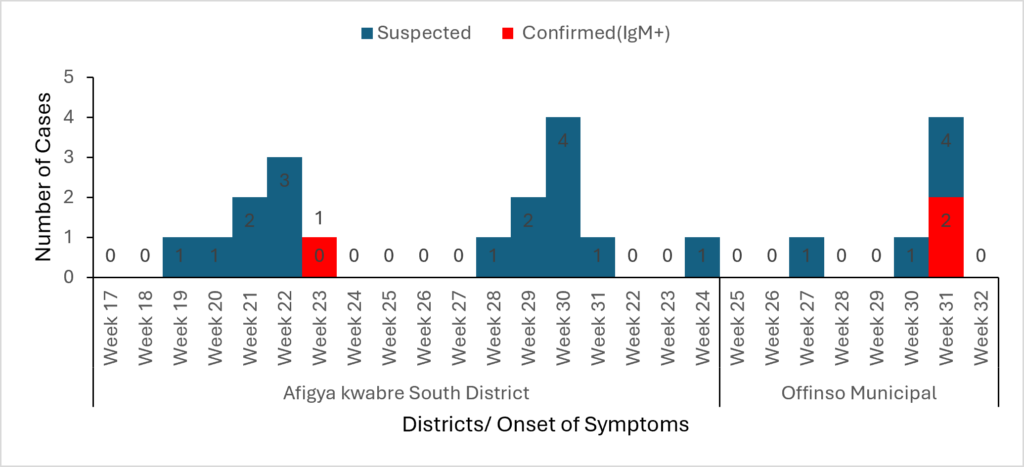
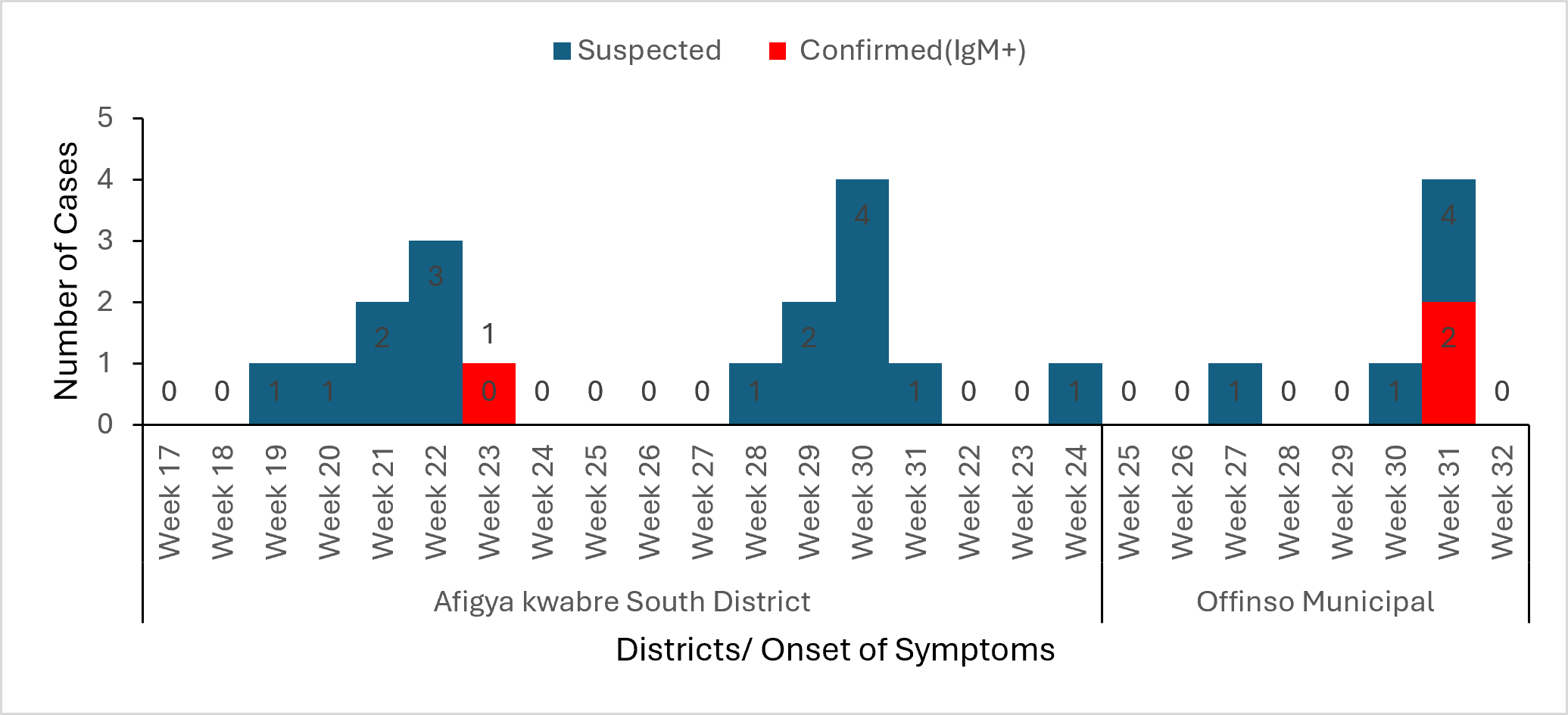
The epidemic curve showed that cases occurred over several weeks. In Afigya Kwabre South, the highest number of suspected cases occurred in weeks 22, 29, and 30, with peaks of 3, 2, and 4 cases, respectively, and one confirmed case in week 23. In Offinso, suspected cases were reported in weeks 27, 30 and 31, with 2 confirmed cases, as seen in Figure 2.
Geographic Distribution
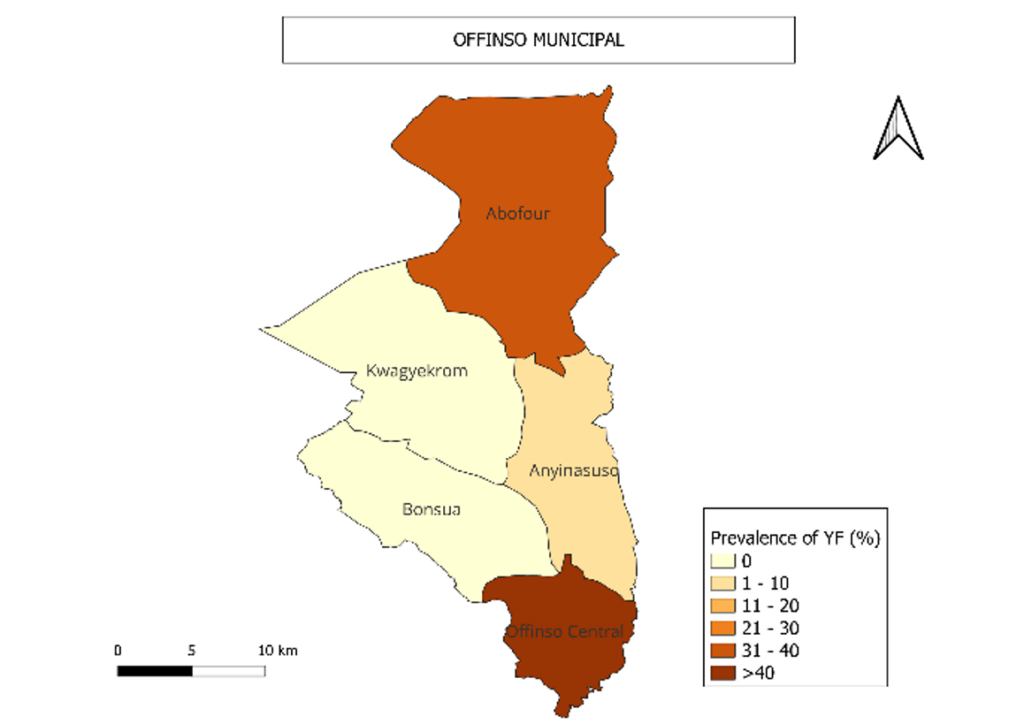
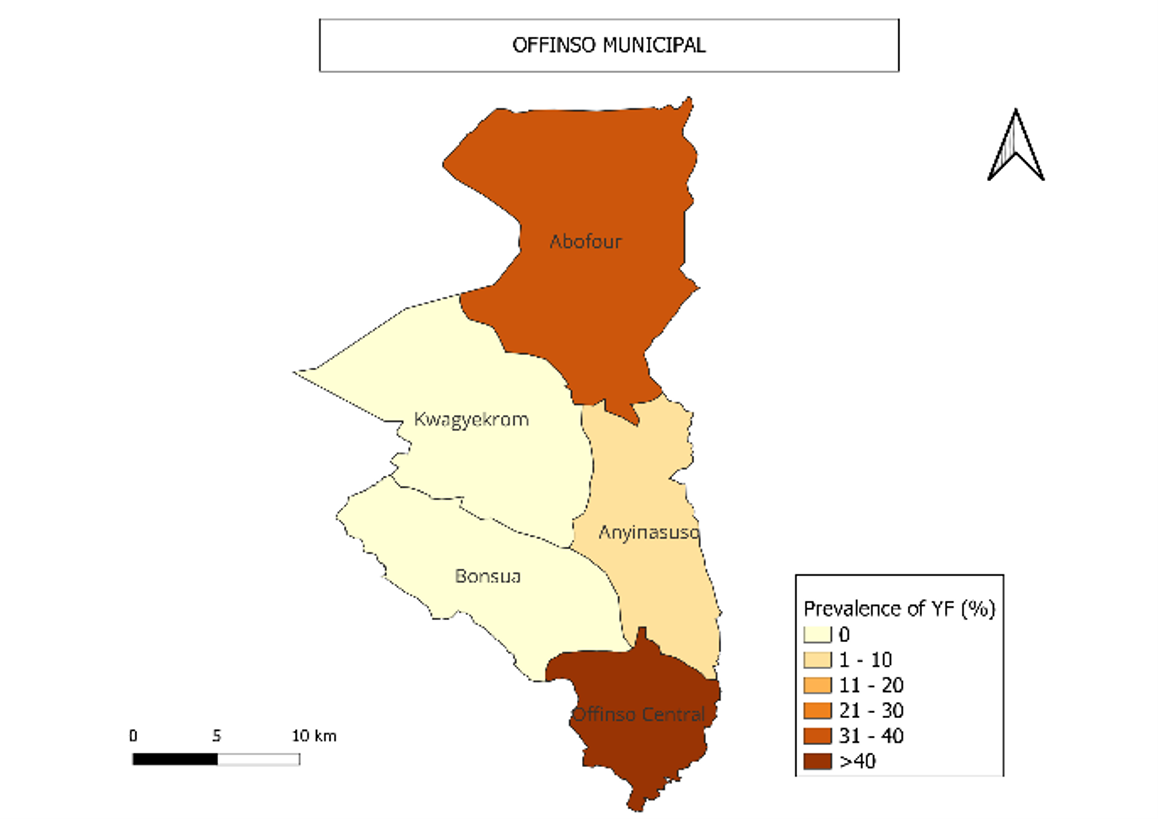
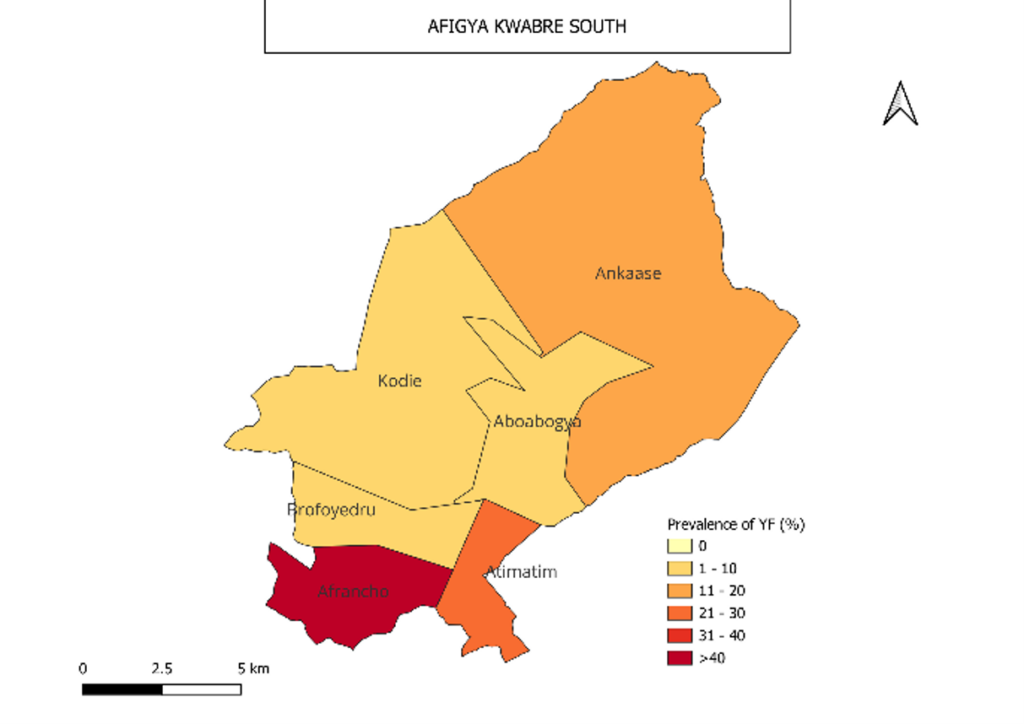
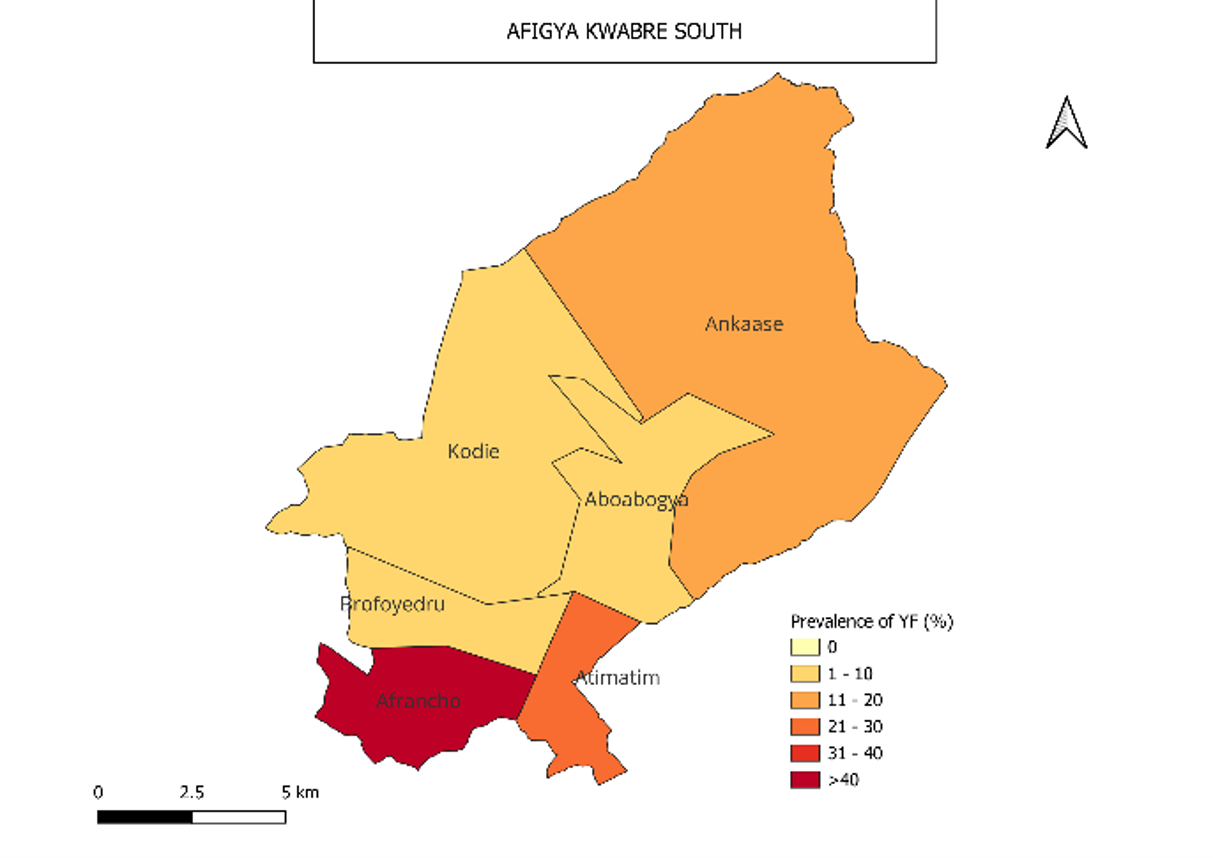
The high burden areas were Offinso Central and Afrancho subdistricts in Offinso Municipal and Afigya Kwabre South, respectively, as seen in Figures 3 and 4.
Index Case Management
A 31-year-old female resident of Saaboa in Offinso Municipal initially developed symptoms on May 20, 2024, and first sought care from a herbalist, where she was misdiagnosed with hepatitis and typhoid fever. On May 25, she presented at Offinso Health Centre and was treated for malaria despite exhibiting jaundiced mucous membranes. Due to persistent symptoms, she continued seeking care at multiple health facilities across districts. On July 4, 2024—over a month after symptom onset—she visited Afrancho Polyclinic in Afigya Kwabre South District, an adjacent district to Offinso Municipal, where the case was identified as a suspected yellow fever case and subsequently confirmed. The index case emphasised;
“I have been to the Health Centre three times. The first time, I was treated for malaria, and the next time they said it was typhoid. One friend directed me to a herbal centre.” (Female, 31 years, YF, C001)
Risk communication assessment
In Afigya Kwabre South, it was noted that a risk communication plan was in place, and all facilities within the jurisdiction had been notified. However, in Offinso Municipal, where the cases reside, yellow fever was not included in the district’s risk communication plan. A community survey conducted in high burden areas revealed that only 22% (37/168) of respondents were aware of yellow fever symptoms, and only 8.3% (14/168) reported having been vaccinated against yellow fever.
Yellow fever antigen vaccination coverage
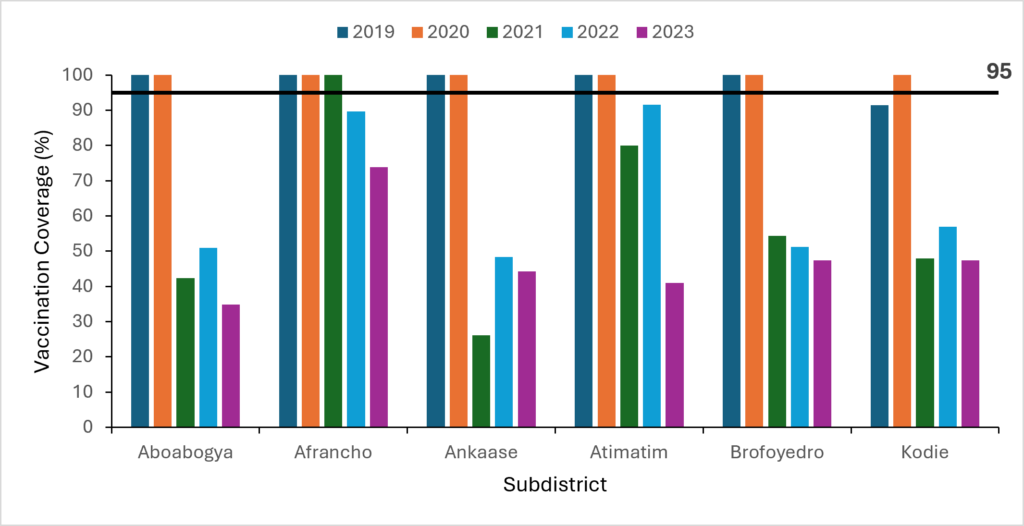
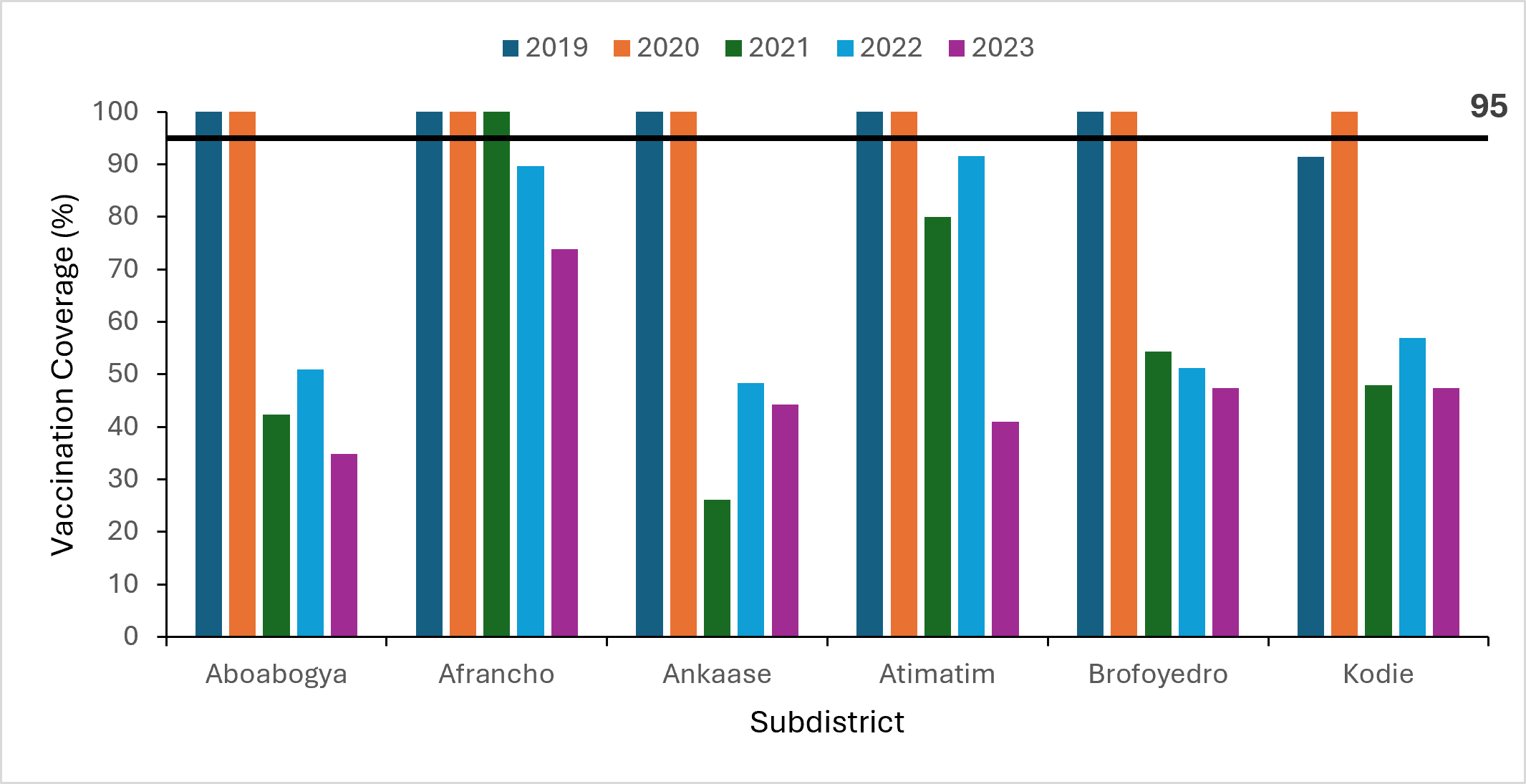
The Yellow Fever vaccination coverage in Afigya Kwabre South District from 2019 to 2023 showed vital gaps, particularly from 2021 to 2023 when most subdistricts fell below the EPI target of 95%. In 2023, coverage was below target in all subdistricts, with the lowest levels observed in Aboabogya (34.9%), Atimatim (41.0%), and Ankaase (44.2%), followed by Brofoyedro and Kodie (47.4% each) and Afrancho (73.9%) (Figure 5).
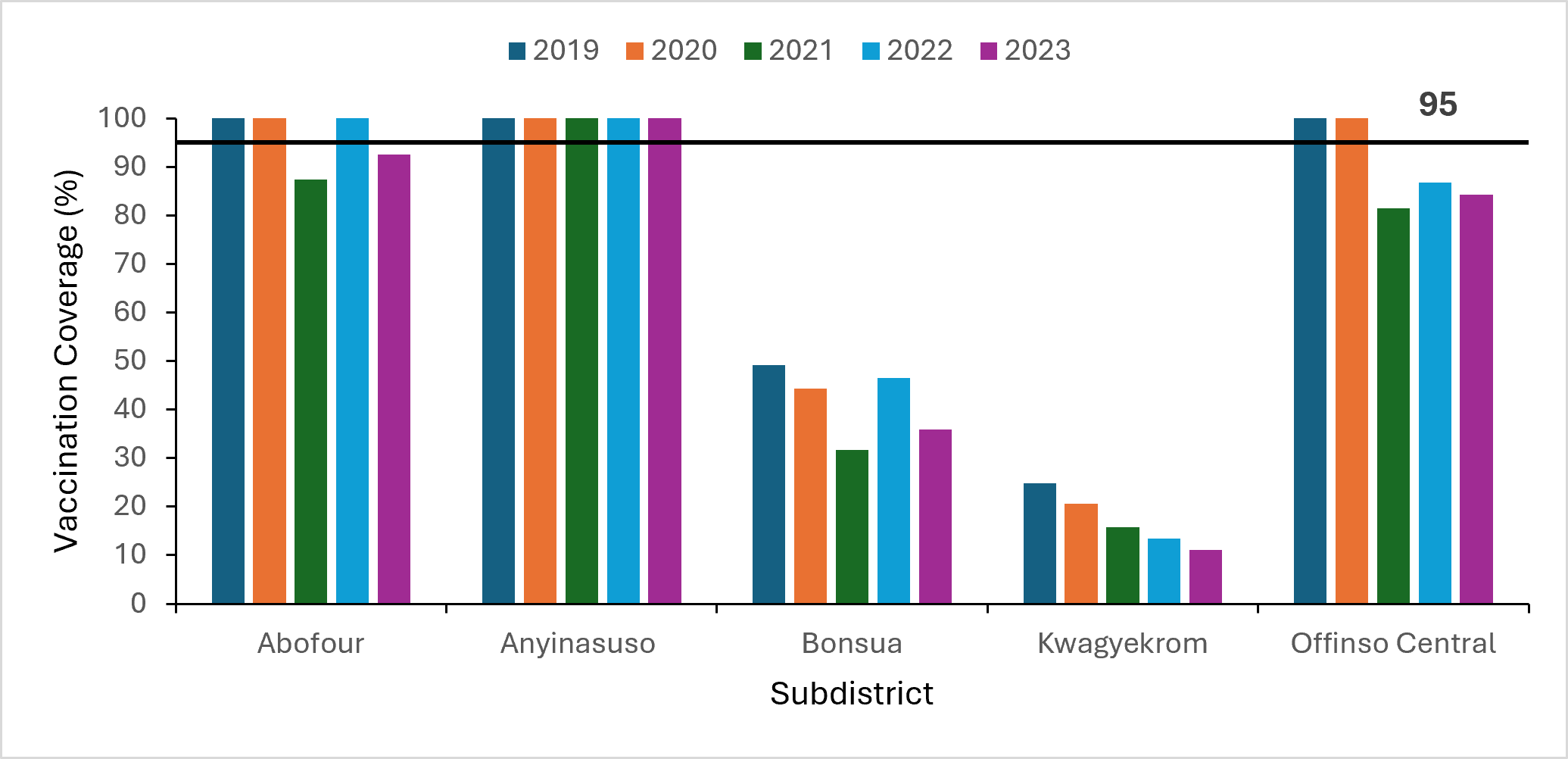
In Offinso Municipal, Bonsua and Kwagyekrom consistently recorded coverage below the EPI target, with the lowest coverage observed in Kwagyekrom at 11.09% in 2023 and in Bonsua at 31.69% in 2021. Offinso Central also fell below the target in some years, including 81.45% in 2021, 86.73% in 2022, and 84.26% in 2023 (Figure 6).
Environmental Assessment
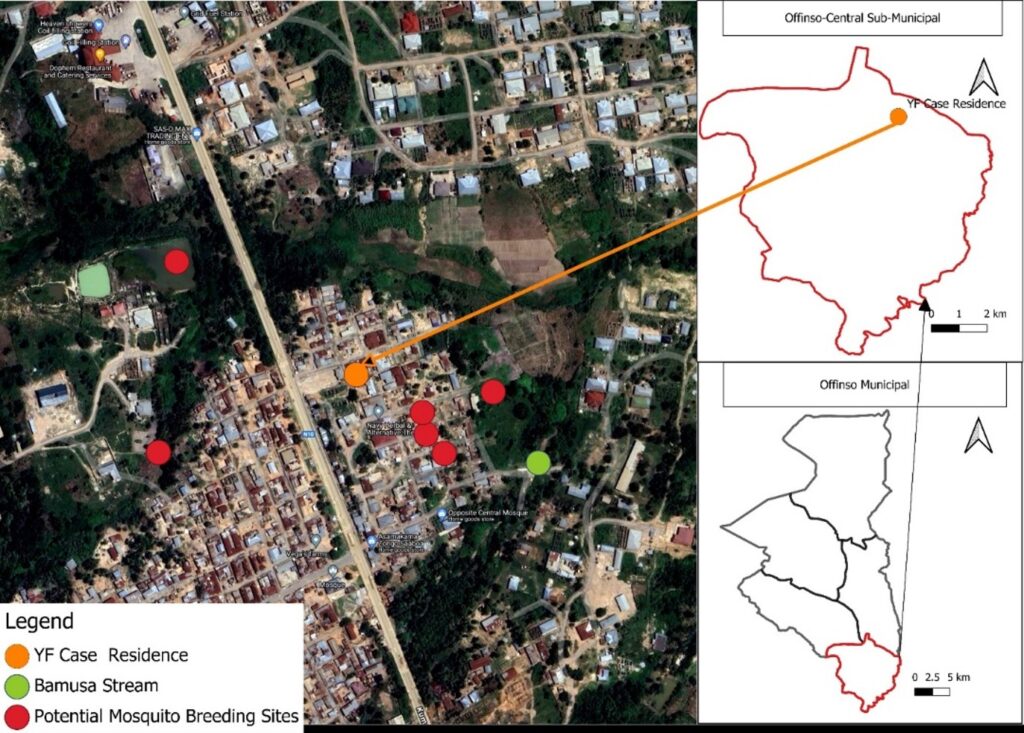
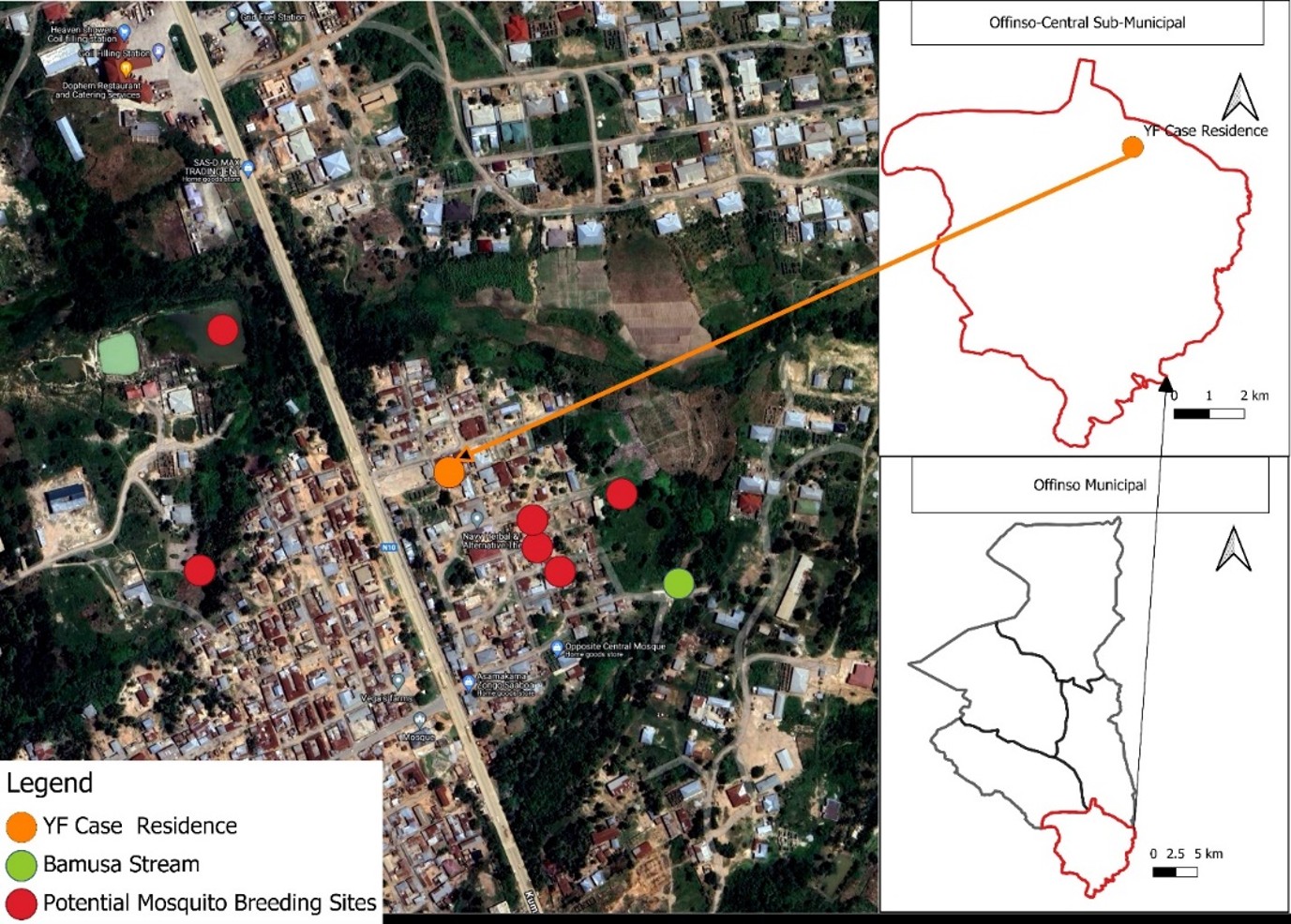
The environmental assessment in high-burden areas, particularly the Saaboa community where the case resides, was characterised by several stagnant water sources (Figure 7). Vernal pools were the most common (42.86%, 18/42), followed by exposed hand-dug wells (31%, 13/42). Discarded tyres and exposed septic tanks were also prevalent, at 11.9% (5/42) each.
The outbreak investigation identified key epidemiological patterns that may help guide response efforts. The majority of cases were detected through community case search rather than health records, showing the potential role of active surveillance in identifying cases that might otherwise go unreported.
We found that confirmed cases were identified in multiple households, but no additional cases were identified among other household members. This distribution may be consistent with localised transmission. This may be explained by the vector-borne nature of yellow fever transmission, where infection depends on exposure to infected mosquitoes rather than person-to-person spread [12]. Variations in individual exposure, movement patterns, and possible prior immunity may account for the absence of additional cases within affected households. A similar outbreak has demonstrated that household clustering of cases often signifies ongoing transmission within communities, showing the need for timely public health interventions[13].
We also found out that YF cases in Offinso Municipal occurred in children aged 0-4 years which is consistent with an investigation on yellow fever in Nigeria [14]. Young children in this setting may be more vulnerable to yellow fever for various reasons, including incomplete immunisation [15]. In Ghana, the yellow fever vaccine is administered as a single dose at 9 months of age as part of the routine EPI, with periodic mass vaccination campaigns conducted in high-risk areas[16]. Data from the Ghana Demographic and Health Survey (GDHS) indicate that while the proportion of children aged 24 to 35 months who were not fully vaccinated decreased between 2014 and 2022, a substantial proportion of children still fail to receive all recommended vaccines according to the national schedule [17]. This gap in coverage continues to leave many at risk of vaccine-preventable diseases such as yellow fever and contributes to immunity gaps and increased risk of outbreaks. Young children may be more likely to spend time outdoors and near mosquito breeding sites, increasing potential exposure to the vector that transmits the virus [18].
The initial misdiagnosis of the index case shows the clinical challenge of distinguishing yellow fever from other endemic causes of jaundice and fever, such as viral hepatitis and severe malaria. Similar diagnostic overlaps have been reported in other settings, where yellow fever symptoms are frequently mistaken for hepatitis, malaria, or other acute febrile illnesses [19] This diagnostic challenge delays appropriate case management and outbreak response, which may increase the risk of further transmission.
The identification of additional confirmed YF cases in the Saaboa community, where the index case resided, has been observed in other outbreak settings, which is similar to findings from [8] suggesting the need for rigorous contact tracing and control measures in this community to prevent further spread of yellow fever. This occurs when cases are geographically concentrated in a specific area, often due to shared exposures or environmental factors.
The absence of yellow fever in the district’s risk communication plan for Offinso Municipal represents a gap in public health preparedness. The rapid community survey revealed low levels of awareness of yellow fever symptoms. This lack of awareness and preparedness can hinder early detection and response efforts to outbreaks. These findings show the importance of strengthening risk communication strategies, prioritising yellow fever in risk communication plans, disseminating information about symptoms and prevention strategies, and implementing targeted vaccination campaigns to improve community awareness and reduce the impact of future outbreaks.
We also found low yellow fever vaccination coverage in Afigya Kwabre South District and Offinso Municipal, consistent with findings reported from other regions of Ghana and other endemic countries [20]. Several factors may have contributed to the low vaccination coverage, such as resource constraints, geographic challenges, community resistance, and disease burden. The persistent underperformance of specific subdistricts in both districts suggests the need for targeted interventions to address the underlying factors contributing to low vaccination coverage.
The findings from the environmental assessment in Saaboa are consistent with previous studies on yellow fever outbreaks in other regions. Stagnant water bodies, including vernal pools, wells, tyres, and septic tanks, are significant breeding sites for mosquitoes, the primary vectors of yellow fever [21]. However, standard entomological indices such as the House Index, Container Index, and Breteau Index were not calculated during this investigation, which limits the ability to quantify the level of vector infestation [22]. The presence of stagnant water bodies in the Saaboa community shows potential larval breeding sites that could support vector proliferation. These observations suggest that targeted environmental management, such as draining standing water and improving local sanitation, may serve as useful preventive measures against future outbreaks in high-burden areas. The Yellow Fever outbreak was effectively addressed through a coordinated approach that combined prompt case management, timely risk communication, targeted social interventions, and strengthened surveillance systems.
Limitation
The investigation had several limitations. Not all suspected cases underwent laboratory testing because of limited laboratory resources, restricting interpretation of case confirmation and laboratory positivity. Household screening included affected households and their immediate neighbours rather than a population-representative sample, limiting generalisation of the infection, awareness, and self-reported vaccination findings. More extensive community engagement could have provided additional information on risk factors, behaviours, and perceptions related to yellow fever. Underreporting is possible because individuals with mild or asymptomatic infections may not have sought care or been identified. Recall bias may have affected self-reported vaccination status and symptom history, particularly among caregivers of young children. Community case searches may also have introduced selection bias related to the case definition and the approach used to identify cases. Finally, the absence of standard entomological indices limited quantification of vector infestation.
The investigation identified 25 suspected yellow fever cases, including three laboratory-confirmed cases. The reported proportion of screened individuals with laboratory-confirmed infection was 1.79% (3/168). Children aged 0-4 years accounted for 44% of cases, and females accounted for 64%. Risk mapping identified high-burden areas, while the survey in these areas found that 22% of respondents recognised yellow fever symptoms. Environmental assessment in Saaboa documented potential mosquito breeding sites, most commonly vernal pools (42.9%) and exposed hand-dug wells (31%). Reported response activities included risk communication, enhanced surveillance, and case management, but their effectiveness was not quantified. The findings support strengthening early case recognition, addressing vaccination gaps, and targeting environmental management in affected communities.
What is already known about the topic
What this study adds
We sincerely appreciate the community leaders and members of the Saboa community for their cooperation and support during the outbreak investigation. We are grateful to the Ashanti Regional Health Directorate, particularly the Regional Director of Health Service, Dr. Emmanuel Tinkorang, and the Deputy Director of Health Service (Public Health), Dr Emmanuel Akwuolo Gyigewe Teviu, for their leadership and guidance, as well as the Regional Disease Control Officer, Mr Solomon Boakye, for his technical support. We also acknowledge the commitment of health workers at the Afrancho Polyclinic, especially the Medical Director, and the Offinso Health Centre, including the Physician Assistant and staff, for their dedicated service. In addition, we extend our appreciation to the Municipal Director of Health Service, Offinso, the Medical Director of St. Patrick’s Hospital, Offinso, and the Physician Assistant and staff of the Abofour Health Centre for their tireless efforts in patient care and surveillance. Finally, we acknowledge the Ghana Field Epidemiology and Laboratory Training Programme for their technical guidance and contribution to the success of this investigation.
Conceptualization: Charles Lwanga Noora, Samuel Nii Amaah-Quao, Samuel Appiah, David Kwaku Sarkodie, Rosaline Dapilah, David Asigre, Solomon Boakye
Methodology: Samuel Nii Amaah-Quao,
Data Curation: Samuel Nii Amaah-Quao,
Formal Analysis: Samuel Nii Amaah-Quao,
Investigation: Samuel Nii Amaah-Quao, Samuel Appiah, David Kwaku Sarkodie, Rosaline Dapilah, David Asigre,
Validation: Charles Lwanga Noora, Richeal Mills, Ernest Kenu
Supervision: Charles Lwanga Noora, Richeal Mills, Ernest Kenu
Writing – Original Draft: Samuel Nii Amaah-Quao, Samuel Appiah, David Kwaku Sarkodie, Rosaline Dapilah, David Asigre
Writing – Review & Editing: Charles Lwanga Noora, Samuel Nii Amaah-Quao, Solomon Boakye, Richeal Mills
| Table 1: Clinical, Epidemiological, and Laboratory Characteristics of Suspected and Confirmed Yellow Fever Cases (n=25), Offinso Municipal and Afigya Kwabre South District, Ghana, 2024 | ||||||||||
| Case ID | Age (years) | Sex | Sub-district | Date of Onset | Date of Sample Collection | Key Symptoms | Vaccination Status | ELISA IgM | PCR | Classification |
|---|---|---|---|---|---|---|---|---|---|---|
| C001 (Index) | 31 | Female | Afigya Kwabre South | 03-Jun-24 | 04-Jun-24 | Fever, jaundice | Vaccinated | Positive | Positive | Confirmed YF |
| C002 | 14 | Female | Offinso Municipal | 29-Jul-24 | 02-Aug-24 | Fever, jaundice | Unknown | Positive | Positive | Confirmed YF |
| C003 | 3 | Male | Offinso Municipal | 30-Jul-24 | 06-Aug-24 | Fever, jaundice | Unknown | Positive | Positive | Confirmed YF |
| C004 | 4 | Female | Afigya Kwabre South | 07-May-24 | — | Fever, jaundice | Unknown | Not done | Not done | Suspected |
| C005 | 6 | Male | Afigya Kwabre South | 12-May-24 | — | Fever, jaundice | Unknown | Not done | Not done | Suspected |
| C006 | 3 | Female | Afigya Kwabre South | 20-May-24 | — | Fever, jaundice | Unknown | Not done | Not done | Suspected |
| C007 | 5 | Male | Afigya Kwabre South | 22-May-24 | — | Fever, jaundice | Unknown | Not done | Not done | Suspected |
| C008 | 4 | Female | Afigya Kwabre South | 27-May-24 | — | Fever, jaundice | Unknown | Not done | Not done | Suspected |
| C009 | 2 | Female | Afigya Kwabre South | 28-May-24 | — | Fever, jaundice | Unknown | Not done | Not done | Suspected |
| C010 | 4 | Male | Afigya Kwabre South | 28-May-24 | — | Fever, jaundice | Unknown | Not done | Not done | Suspected |
| C011 | 9 | Female | Afigya Kwabre South | 08-Jul-24 | — | Fever, jaundice | Unknown | Not done | Not done | Suspected |
| C012 | 11 | Male | Afigya Kwabre South | 15-Jul-24 | — | Fever, jaundice | Unknown | Not done | Not done | Suspected |
| C013 | 19 | Female | Afigya Kwabre South | 17-Jul-24 | — | Fever, jaundice | Unknown | Not done | Not done | Suspected |
| C014 | 3 | Female | Afigya Kwabre South | 22-Jul-24 | — | Fever, jaundice | Unknown | Not done | Not done | Suspected |
| C015 | 12 | Female | Afigya Kwabre South | 23-Jul-24 | — | Fever, jaundice | Unknown | Not done | Not done | Suspected |
| C016 | 3 | Male | Afigya Kwabre South | 24-Jul-24 | — | Fever, jaundice | Unknown | Not done | Not done | Suspected |
| C017 | 3 | Female | Afigya Kwabre South | 25-Jul-24 | — | Fever, jaundice | Unknown | Not done | Not done | Suspected |
| C018 | 4 | Female | Afigya Kwabre South | 28-Jul-24 | — | Fever, jaundice | Unknown | Not done | Not done | Suspected |
| C019 | 2 | Female | Offinso Municipal | 10-Jun-24 | — | Fever, jaundice | Unknown | Not done | Not done | Suspected |
| C020 | 8 | Male | Offinso Municipal | 05-Jul-24 | — | Fever, jaundice | Unknown | Not done | Not done | Suspected |
| C021 | 9 | Female | Offinso Municipal | 22-Jul-24 | — | Fever, jaundice | Unknown | Not done | Not done | Suspected |
| C022 | 11 | Male | Offinso Municipal | 28-Jul-24 | — | Fever, jaundice | Unknown | Not done | Not done | Suspected |
| C023 | 19 | Female | Offinso Municipal | 29-Jul-24 | — | Fever, jaundice | Unknown | Not done | Not done | Suspected |
| C024 | 27 | Male | Offinso Municipal | 30-Jul-24 | — | Fever, jaundice | Unknown | Not done | Not done | Suspected |
| C025 | 20 | Female | Offinso Municipal | 31-Jul-24 | — | Fever, jaundice | Unknown | Not done | Not done | Suspected |