Research | Open Access | Volume 9 (3): Article 137 | Published: 19 Aug 2026

Views: 1,245
Menu, Tables and Figures
| Study reference | Study type | Data collection methods | Key finding / result |
|---|---|---|---|
| Clerc et al. (1982) [24] | Surveillance | Mosquito collection, viral analysis | Detection of the virus in the Andasibe-Périnet forest |
| Fontenille et al. (1988) [25] | Surveillance | Mosquito capture, virological tests | The first isolation of the virus was recorded in 1979 |
| Morvan et al. (1991) [7] | Epidemic | Clinical and epidemiological surveys | Documentation of the first major epizootic |
| Morvan et al. (1992) [26] | Epidemic | Serology (IgM, IgG), mosquito collection | High IgM levels in cattle and human cases |
| Morvan et al. (1992) [36] | Surveillance | Analysis of past outbreaks, climate | Suggested a potential link to El Niño events, later clarified as an indirect influence compared to East African dynamics |
| Nicolas et al. (2010)* [54] | Association | Farmer surveys, commercial network | Link between cattle trade and seroconversion |
| Andriamandimby et al. (2010) [6] | Surveillance | ELISA IgG/IgM, blood samples | Evidence of active vector transmission |
| Jeanmaire et al. (2011) [27] | Surveillance | Blood samples, ELISA | Post-epizootic prevalence in ruminants |
| Chevalier et al. (2011) [22] | Association | Longitudinal serological monitoring | Factors affecting transmission in cattle |
| Ratovonjato et al. (2011) [55] | Epidemic | Mosquito capture, genetic tests | Virus detected in vectors (Haute Matsiatra) |
| Olive et al. (2013) [5] | Surveillance | Serological and virological monitoring | Identification of high-risk geographic zones |
| Nicolas et al. (2013) [21] | Association | Seroprevalence, livestock movements | Key role of livestock trade in virus spread |
| Nicolas et al. (2014) [13] | Spatial Modelling | Spatially explicit modelling | Key determinants for recurrent circulation |
| Olive et al. (2016) [19] | Surveillance / Association | Seroprevalence, environmental, and socio-economic data | Behavioural and environmental links to infection |
| Lancelot et al. (2017) [12] | Epidemic | Environmental and climatic data | Climatic drivers identified in past outbreaks |
| Olive et al. (2017) [56] | Bayesian Modelling | Seroprevalence, FOI modelling | Identification of peak transmission periods |
| Nepomichene et al. (2018) [18] | Entomological | Experimental infection | Vector competence of Culex and Anopheles |
| Morvan et al. (2021)* [20] | Epidemic | Surveillance, laboratory tests | Viral persistence during inter-epidemic periods |
| SEGA One Health (2021)* [2] | Epidemic | Description of response actions | Evaluation of response strategies and training |
| Razafindraibe et al. (2023) [8] | Epidemic | Surveillance data | Description of 2021 epidemic and response |
| Tantely et al. (2024) [9] | Epidemic | Clinical surveys, data collection | Findings from multisite epidemic monitoring |
| Tantely et al. (2024) [57] | Entomological | Longitudinal multi-host survey | Insights into mosquito dynamics in peri-urban Antananarivo |
| Harimanana et al. (2024) [28] | Epidemic | Outbreak investigation, surveillance data | Documentation of the 2021 re-emergence in Mananjary |
*Grey literature
| Category | Specific Driver / Factor | Citations (Author, Year) |
|---|---|---|
| Climatic | Heavy and abundant rainfall | Andriamandimby et al. (2010), Tantely et al. (2024) |
| Climatic | Elevated temperatures | Lancelot et al. (2017), Olive et al. (2016) |
| Climatic | Cyclones and exceptional flooding | Morvan et al. (1991), Morvan et al. (1992), Jeanmaire et al. (2011) |
| Anthropogenic | Livestock trade along commercial corridors | Nicolas et al. (2010), Nicolas et al. (2013), Nicolas et al. (2014), Olive et al. (2016) |
| Anthropogenic | Transhumance and seasonal pastoral routes | Lancelot et al. (2017), Nicolas et al. (2013) |
| Anthropogenic | Irrigation of rice fields | Nicolas et al. (2014), Nepomichene et al. (2018) |
| Anthropogenic | Deforestation and land-use changes | Lancelot et al. (2017) |
| Ecological | Flood zones (Marshes and temporary pools) | Lancelot et al. (2017), Nicolas et al. (2014), Nepomichene et al. (2018) |
| Ecological | Dense vegetation (NDVI) | Lancelot et al. (2017), Olive et al. (2016) |
| Human Behaviours | Occupational exposure (slaughterhouse, vets) | Zeller et al. (1998), Olive et al. (2016) |
| Human Behaviours | Consumption of raw, unpasteurised milk | Olive et al. (2016) |
| Human Behaviours | Handling aborted products and fluids | Nicolas et al. (2013), Zeller et al. (1998) |
| Demographic | High animal and human population density | Lancelot et al. (2017), Olive et al. (2016) |
Félix Alain1,2,&, Botovola Miraimila1,2, Zina Antonio Randriananahirana1,3, Sedera Radoniaina Rakotondrasoa1, Diana Ratsiambakaina2, Fidiniaina Mamy Randriatsarafara1, Lantonirina Ravaoarisoa1,3, Radonirina Lazasoa Andrianasolo1,4, Julio Rakotonirina1,3
1Faculty of Medicine, University of Antananarivo, Antananarivo 101, Madagascar; 2National Institute of Public and Community Health (INSPC), Antananarivo 101, Madagascar; 3Analakely University Hospital Centre for Care and Public Health (CHUSSPA), Antananarivo 101, Madagascar; 4Centre Hospitalier Universitaire (CHU) Joseph Raseta Befelatanana à Antananarivo 101, Madagascar
&Corresponding author: Félix Alain, Faculty of Medicine, University of Antananarivo, Antananarivo 101, Madagascar, Email: alainfelixmed@gmail.com, ORCID: https://orcid.org/0009-0008-2445-3326
Received: 30 Mar 2026, Accepted: 17 Jul 2026, Published: 19 Aug 2026
Domain: Infectious Disease Epidemiology
Keywords: Rift Valley Fever, Madagascar, spatio-temporal dynamics, livestock trade, outbreaks
©Félix Alain et al. Journal of Interventional Epidemiology and Public Health (ISSN: 2664-2824). This is an Open Access article distributed under the terms of the Creative Commons Attribution International 4.0 License (https://creativecommons.org/licenses/by/4.0/), which permits unrestricted use, distribution, and reproduction in any medium, provided the original work is properly cited.
Cite this article: Félix Alain et al., Spatiotemporal dynamics and drivers of Rift Valley fever outbreaks in Madagascar: A systematic review. Journal of Interventional Epidemiology and Public Health. 2026; 9(3):137. https://doi.org/10.37432/jieph-d-26-00101
Introduction: Rift Valley fever (RVF) is a reemerging viral zoonosis in Madagascar that causes significant economic losses to the livestock sector. Outbreak occurrence and spread are influenced by a complex interplay of environmental variables and animal trading channels. This study examined the spatiotemporal dynamics of RVF outbreaks across the island to guide surveillance and control strategies.
Methods: A systematic review was conducted following PRISMA guidelines, encompassing literature published in English or French from 1979 to 2026. Major databases, including PubMed, Google Scholar, and Science Direct, were queried using search algorithms focused on RVF, Madagascar, and spatiotemporal patterns.
Results: Twenty-four studies were included in the final analysis. Since the first reported case in 1979, three major epidemic waves occurred in 1990–1991, 2008–2009, and 2021. The East Coast, Central Highlands, Northwest, and Southwest regions were identified as high-risk zones. Outbreaks peaked between January and April, coinciding with the rainy season. While climatic factors trigger initial transmission, the synthesised evidence suggests that livestock movement along trade corridors is a key anthropogenic factor in viral propagation, although the relative contribution of this driver requires further quantitative validation.
Conclusion: Rift Valley fever (RVF) dynamics in Madagascar are uniquely determined by regional environmental conditions and human activities. These findings underscore the urgent need for region-specific surveillance and the implementation of an integrated “One Health” approach for effective outbreak management.
Rift Valley fever (RVF) is an acute viral zoonosis caused by a Phlebovirus, family Phenuiviridae, and order Bunyavirales [1]. It was first identified in Kenya in 1930 [1]. It represents a major threat to public and veterinary health, especially in sub-Saharan Africa and Madagascar [1,2]. Recent research highlights the evolving global threat of RVF and underscores the critical need for advanced mathematical modelling, including the use of singular and non-singular kernels, to better predict and manage its emergence [3,4].
The disease primarily affects domestic ruminants, such as cattle, sheep, and goats [1]. Among these animals, RVF causes massive abortions and high mortality rates, particularly among young animals [1]. While most human cases are mild or asymptomatic, approximately 1% to 3% can develop severe complications [1]. These severe forms include encephalitis, haemorrhagic fevers, or ocular lesions that may result in blindness [1].
In Madagascar, RVF was first detected in 1979 and has since become endemic [5]. Significant outbreaks were recorded in 1990-1991, 2008-2009, and most recently in 2021 [5–10]. Persistence of RVF in Madagascar is influenced by the convergence of several factors: the island’s unique ecological environment, the presence of effective mosquito vectors (notably Aedes spp.), and intensive human activities, particularly livestock trade [11,12]. These epidemics are closely linked to extreme climatic conditions, such as heavy rainfall and flooding, which promote the proliferation of mosquito vectors [11,12]. While climatic factors trigger initial transmission, livestock movement along trade corridors appears to be a major anthropogenic contributor to viral propagation, although its relative weight compared to climatic factors warrants further quantitative study. This observation distinguishes the island’s dynamics from East Africa where extreme climate events like El Niño play a more singular role[2].
Rift Valley fever (RVF) presents unique challenges that warrant a deeper investigation in Madagascar [12]. There is a crucial need to better understand the spatio-temporal dynamics of the disease, particularly how human activities like livestock trading influence its spread [13]. Despite the sanitary, economic, and ecological importance of RVF, there is currently no exhaustive synthesis of data concerning its spatio-temporal dynamics in Madagascar [14].
The disease in Madagascar presents particular epidemiological characteristics that merit specific attention [2]. Epidemics are irregular and seem more linked to human activities than to extreme climatic events [2]. The virus also appears to persist between outbreaks, suggesting mechanisms of ecological and vectorial persistence that are still poorly understood [2]. Furthermore, current surveillance and response systems are often judged insufficient or inadequate, which limits the effectiveness of sanitary interventions [14]. It underscores the urgency of a global analysis of environmental, climatic, and human factors to better understand the spread and recurrence of RVF on the island [12].
The diversity and dispersion of available literature, characterised by heterogeneous methodologies, have previously hindered a unified vision of Rift Valley fever dynamics in Madagascar [15,16]. Consequently, this systematic review provides the first 47-year longitudinal synthesis (1979–2026), filling a critical regional knowledge gap by integrating disparate data into a cohesive, scientifically rigorous epidemiological framework [15–17].
The main research question of this study is: What are the spatio-temporal, climatic, environmental, and anthropogenic factors that influence the emergence and propagation of RVF in Madagascar? The general objective of this systematic review is to consolidate available knowledge on the spatio-temporal, climatic, and anthropogenic drivers of RVF in Madagascar to guide ‘One Health’ prevention and control strategies.
Study framework
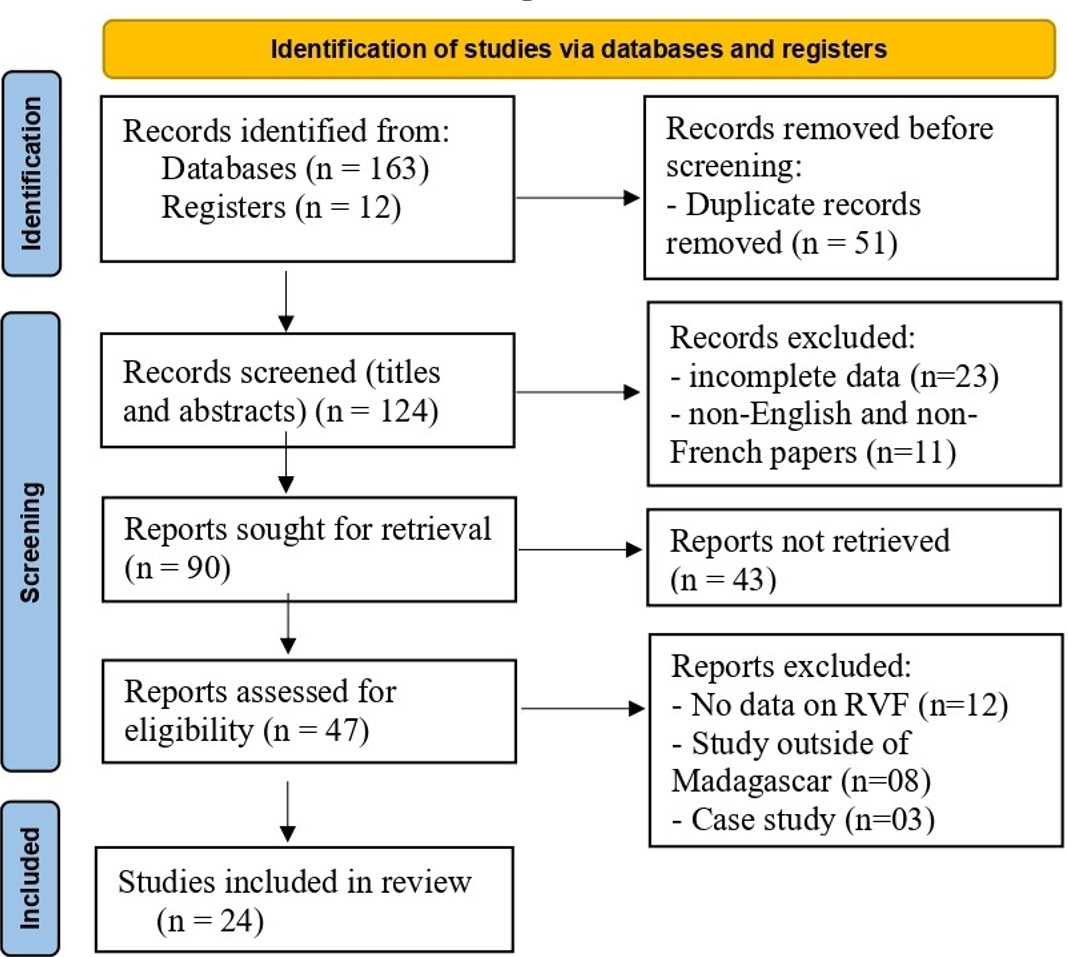
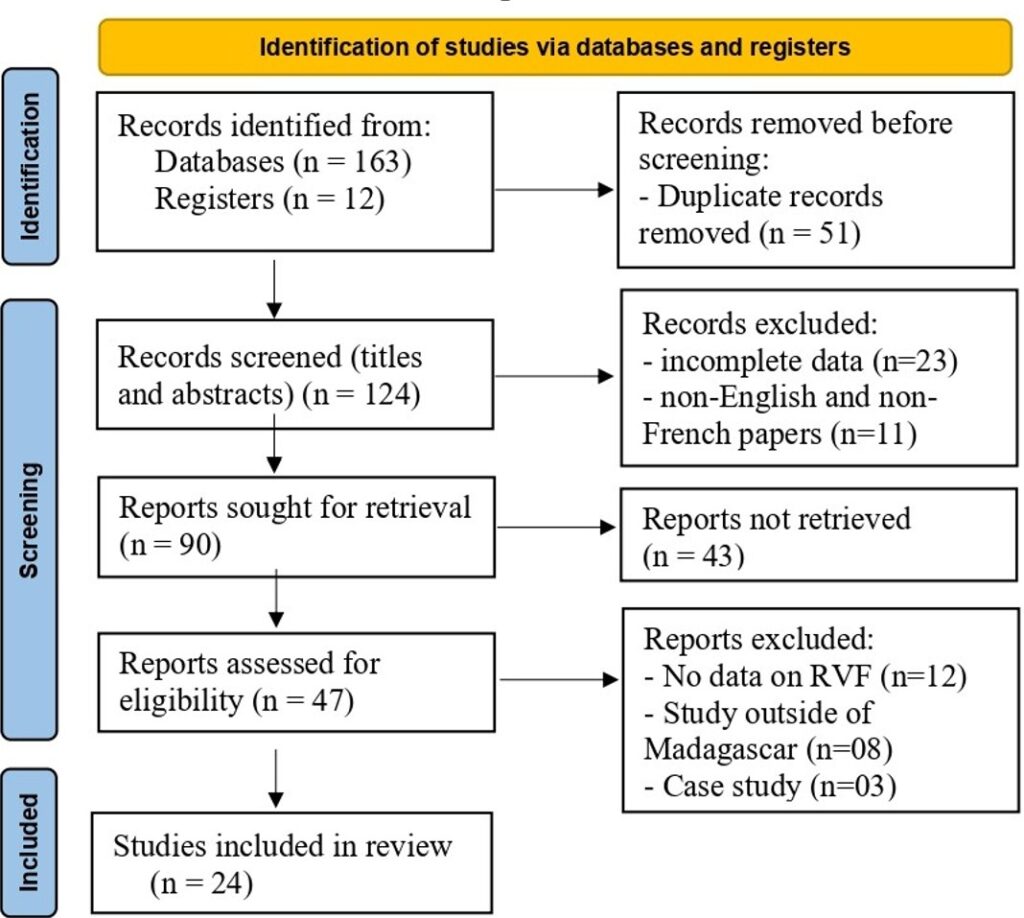
This research is based on a systematic review of relevant publications on RVF in Madagascar aimed at consolidating knowledge on spatio-temporal dynamics between 1979 and 2026. While not formally pre-registered, the review followed a rigorous internal protocol in strict accordance with PRISMA (Preferred Reporting Items for Systematic Reviews and Meta-Analyses) guidelines to ensure a structured, transparent, and reproducible selection process. A PRISMA flow diagram (Figure 1) was utilised to visualise all stages of the selection process: initial identification, screening, eligibility assessment, and final inclusion of studies. The scope of the study focused on high-risk endemic regions, such as the East Coast, Central Highlands, Northwest, and Southwest. These areas are characterised by specific factors that favour disease transmission, which were analysed from three main angles: (i) climatic: evaluating the effect of rainfall, temperature, and seasonal flooding; (ii) ecological and environmental: examining habitats such as irrigated rice fields and marshes that allow vector mosquitoes, notably species of the genera Aedes and Culex, to proliferate; and (iii) anthropogenic: analysing agricultural practices, livestock movement, and strategies implemented for health control.
Study period and duration
This systematic review encompassed a comprehensive analysis of literature published over a 47-year period, beginning with the first identification of RVF in Madagascar in 1979 and extending through February 28, 2026. This extensive temporal scope was adopted to account for the evolution of scientific knowledge, long-term epidemiological dynamics, and the shifting impact of climate change on viral emergence on the island. The active research phase was updated and extended to include literature published through February 2026 to ensure the review provides the most current overview of RVF dynamics in the Malagasy context.
Study population and eligibility criteria
The target population included studies focusing on RVF in domestic ruminants (cattle, sheep, goats) and human populations located in endemic areas of Madagascar. We specifically searched for studies exploring the prevalence, lethality, and spatio-temporal dynamics of the disease. The PICO (Population, Intervention, Comparison, Outcome) framework was applied to identify studies focusing on RVF in domestic ruminants and humans in Madagascar to evaluate risk factors and outcomes.
Inclusion criteria: study type: quantitative studies, including cross-sectional, cohort, and observational studies; accessibility: articles available in full text; publication period: published between 1979 and 2026. The search was restricted to English and French, as these are the primary scientific and official languages of Madagascar, where the vast majority of primary field research and official health reports on Malagasy RVF are published.
Exclusion criteria: studies were excluded if they lacked specific information on endemic areas in Madagascar, or contained no usable quantitative or qualitative data. A comprehensive recruitment (exhaustive sampling) of relevant literature meeting these criteria was conducted for the review.
Data collection and search strategy
To ensure broad and rigorous coverage of relevant articles, data were extracted from major electronic databases, including MEDLINE/PubMed, Scopus/ScienceDirect, and Google Scholar. Grey literature, such as official reports and publications from international organisations (WHO, FAO, WOAH) and health ministry documents, was also consulted to enrich the analysis with unpublished data.
A systematic and exhaustive search strategy was implemented using a combination of keywords and Medical Subject Headings (MeSH), linked by Boolean operators (AND, OR, NOT), to refine results and include all pertinent studies on RVF prevalence and risk factors in Madagascar. The full search string used was: (“Rift Valley Fever” OR “Rift Valley Fever Virus”) AND (“cattle” OR “sheep” OR “goats” OR “ruminants” OR “humans” OR “livestock”) AND (“prevalence” OR “lethality” OR “incidence” OR “spatio-temporal dynamics”) AND (“environmental factors” OR “climatic” OR “transmission dynamics”) AND Madagascar. An updated, comprehensive search strategy was implemented across major databases and grey literature through February 2026 to minimise bias and ensure the validity of the synthesised findings. To restrict the results according to the inclusion criteria (language, publication period, and research article type), filters were applied. We used ZOTERO software to manage the references.
Study selection and data extraction
The selection process followed defined steps: (i) initial filtering: review of titles and abstracts to identify potentially relevant articles; (ii) in-depth evaluation: full-text analysis of pre-selected articles to confirm eligibility; (iii) double examination: independent evaluation by two researchers, with a third researcher arbitrating any disagreements, ensuring rigorous and transparent selection. Data were recorded using a standardised data extraction form to ensure consistency across the independent reviews. Extracted information included study characteristics (authors, publication year, country, study type), methodological data (sample size, data collection methods), spatio-temporal analysis findings, and statistical measures (estimates of RVF evolution over time and space, with confidence intervals).
Study quality assessment and bias management
The methodological quality of each study was quantitatively assessed using a 45-point evaluation grid. This tool was constructed by adapting the Newcastle-Ottawa Scale to include 15 specific criteria tailored to the spatio-temporal epidemiology of RVF in Madagascar. Validity was established through expert review, and inter-rater reliability was ensured via a pilot assessment of a subset of studies by two independent reviewers to ensure consistency, with discrepancies resolved by consensus. Total scores were categorised as low (15–25), moderate (26–35), or high (36–45) quality. For each included study, bias management was a key component, ensuring that potential biases (selection, information, and confounding biases) were checked and evaluated. Furthermore, a formal risk-of-bias assessment was conducted for all included studies, and a comprehensive risk-of-bias table was integrated into the analysis to evaluate internal validity and facilitate the cautious weighting of evidence during the synthesis of results. This rigorous approach ensured the validity of conclusions, especially regarding the spatio-temporal dynamics and influential factors of RVF in Madagascar.
Data analysis
Data extracted from the included studies were analysed using a descriptive and exploratory approach, combining quantitative and qualitative tools. Analysis covered three main components: characteristics of the included studies, spatio-temporal distribution of epidemics, and factors associated with RVF emergence. A formal meta-analysis was not performed due to the significant heterogeneity in study designs, sampling methods, and reporting standards across the 47-year study period, which precluded a reliable quantitative pooling of effects.
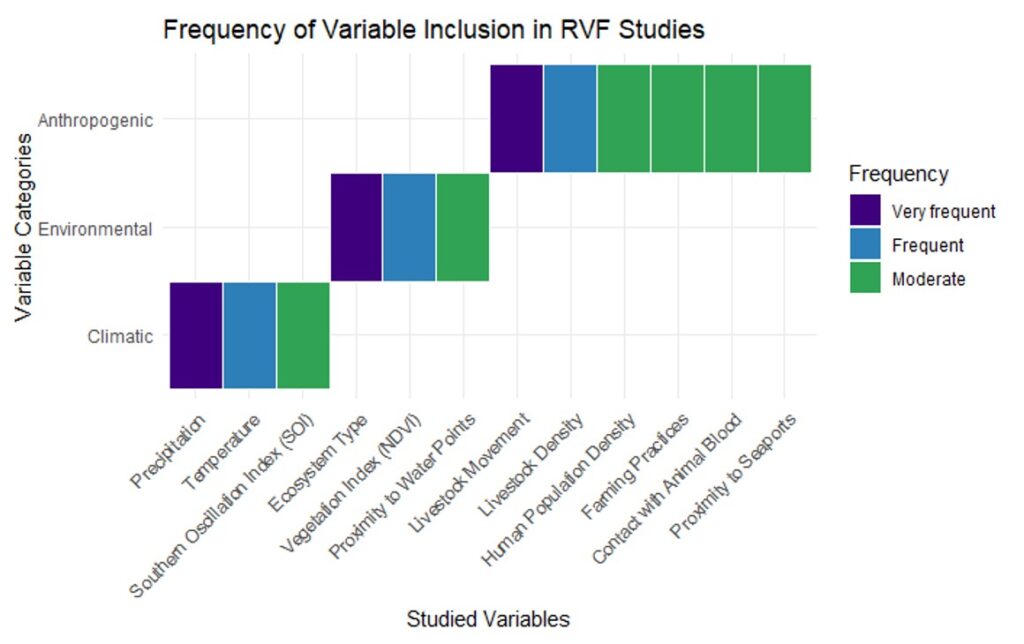
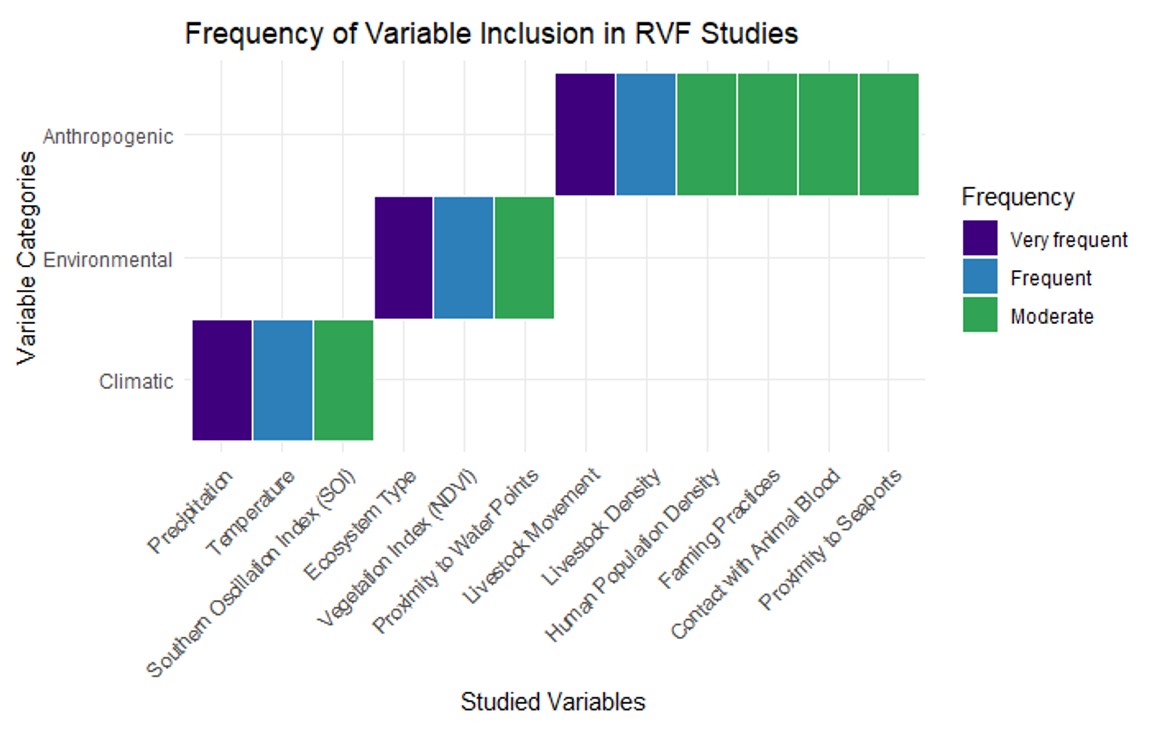
Specific analytical tools included: Visualisation: R and RStudio software were used for generating all graphical visualisations, ensuring reproducible analysis; Mapping: Interactive maps produced via R Markdown (RMD) illustrated the geographic distribution and temporal variations of outbreak foci; Quantitative scoring: An impact scale ranging from 1 (low) to 5 (high) was applied to identified factors. This scale was validated by triangulating the frequency of reporting across studies with the strength of association reported in primary quantitative analyses to minimise subjectivity; Frequency analysis: A heatmap represented the frequency of studied variables, using a simple colour code (Very frequent: dark purple, Frequent: blue, Moderate: green) and Modelling: To supplement the descriptive synthesis, an exploratory Binomial GLM with a logit link function was employed to generate hypotheses regarding environmental drivers. Monthly precipitation data were retrieved from the Tropical Rainfall Measuring Mission (TRMM), and land surface temperature (LST) was obtained from the Moderate Resolution Imaging Spectroradiometer (MODIS). These datasets were spatially aggregated to the district level and averaged over the study period to ensure temporal alignment with reported outbreak occurrences. Given the reliance on secondary ecological data, this model is presented as supportive evidence to guide future primary research rather than a confirmatory analysis of risk factors. We tested for multi-collinearity (VIF < 3) and validated model fit via the Akaike Information Criterion (AIC) and residual spatial autocorrelation checks (Moran’s I) to ensure statistical validity.
Ethical considerations
This is a systematic review of secondary data; ethical approval was not required, as no individual participant data were collected. Adherence to ethical standards was a prerequisite for inclusion. We explicitly verified that each primary study involving animal or human subjects reported oversight by a recognised institutional ethics committee or followed national Malagasy guidelines for veterinary research.
Introduction to included studies and variables
The selection process for studies adhered to the PRISMA flow diagram (Figure 1). Initial identification yielded 175 records from databases (PubMed and ScienceDirect, n=163) and registers (n=12). After removing 51 duplicates, 124 records were screened (titles and abstracts). Thirty-four records were subsequently excluded, mainly due to the absence of data on RVF or geographical irrelevance (studies outside Madagascar). Of the 90 reports sought for retrieval, 43 were not accessible. After the eligibility assessment of 47 reports, 23 more were excluded. A total of 24 studies were included in this systematic review, consisting of 21 articles from peer-reviewed databases and 3 from grey literature. The key characteristics of the 24 studies included in this systematic review are summarised in Table 1.
The variables analysed across the included studies were categorised into climatic, environmental, and anthropogenic drivers, with their research prominence illustrated through frequency analysis (Figure 2). This visual hierarchy is further detailed in a thematic synthesis, which maps each specific factor to its corresponding peer-reviewed evidence (Table 2). Precipitation, specific ecosystem types (wetlands, rice fields), and livestock movement were the most frequently included variables. Concerning anthropogenic variables, livestock movement (very frequent) is a key driver for spreading the virus along trade corridors. These factors are essential triggers for vector proliferation and viral spread across the island [6,13,18]. Temperature, cattle density, and the Normalised Difference Vegetation Index (NDVI) were also frequently studied to identify critical habitats and acceleration rates of the mosquito life cycle [12,19]. Additionally, moderate-frequency variables such as human population density, altitude, and the Southern Oscillation Index (SOI) were incorporated to assess regional risks and human exposure [5,12]. Finally, certain studies examined high-risk human behaviours, such as contact with infected animal fluids, as a key factor in transmission to human populations [19].
Spatio-temporal distribution and trends
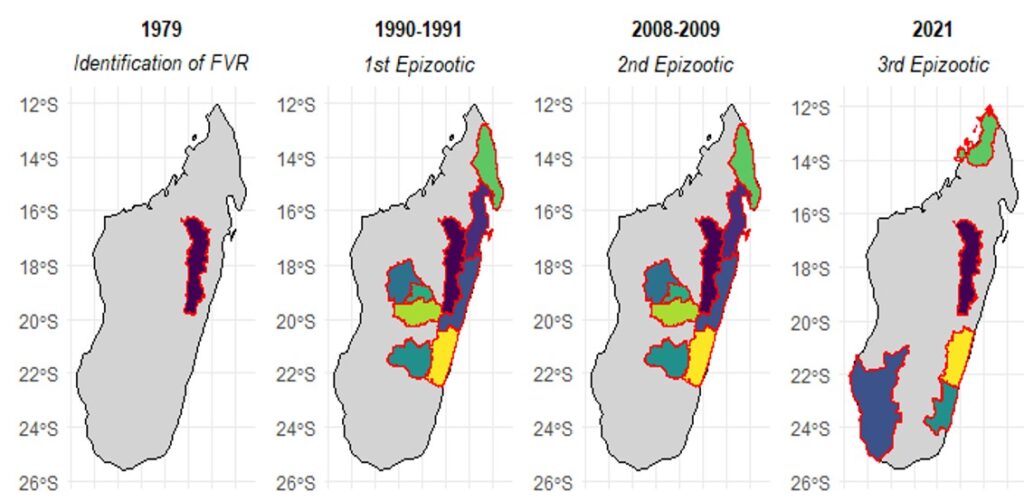
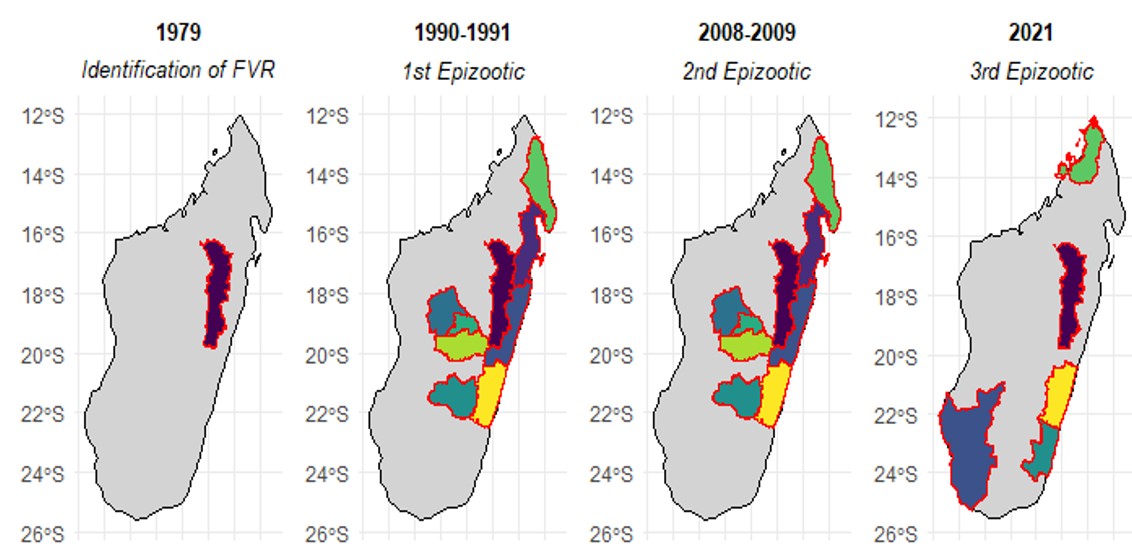
The disease has been endemic in Madagascar since its first isolation in 1979. The island has experienced three major waves of outbreaks (Figure 3): 1990–1991, 2008–2009, and 2021 [6–8]. Inter-epizootic periods are characterised by silent viral circulation, where the virus persists in animal reservoirs or through transovarial transmission in vectors without causing major reported outbreaks, necessitating improved surveillance during these ‘quiet’ intervals [20,21]. Chronological evolution is summarised and visually represented in Figure 3.
Spatial clusters and high-risk zones
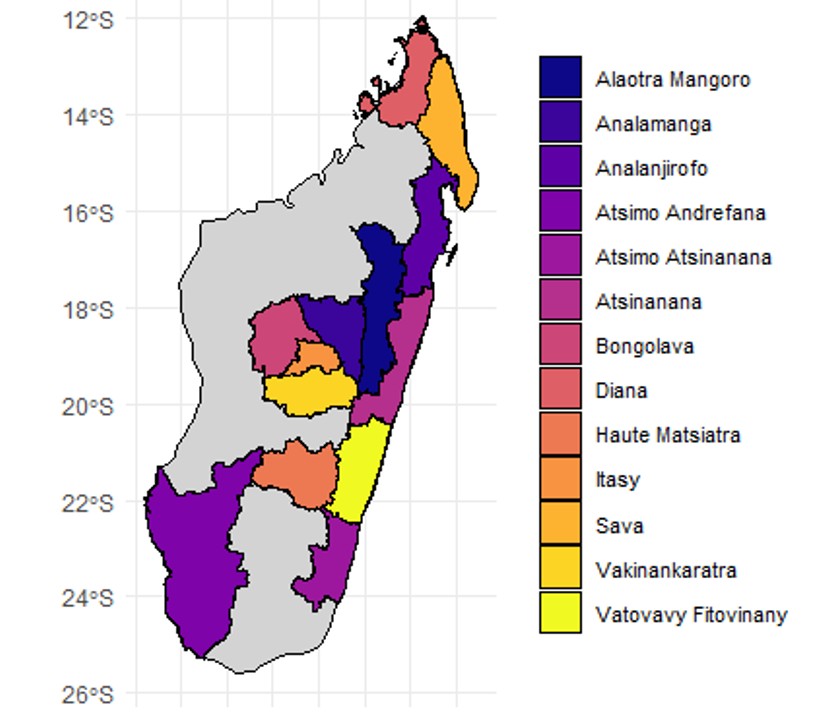
Geographical distribution demonstrates an expansion of the virus, although previous hotspots often experience recurrence [6,8]. High-risk areas are primarily concentrated in the Central Highlands, where high human and animal density, coupled with major livestock markets, contribute to risk [21–23]. The Northwest is identified as a potential zone for silent, enzootic circulation due to its warm, humid climate [19]. The East Coast is frequently impacted, likely due to climatic conditions favouring vector proliferation, often exacerbated by cyclones [7,12]. Peri-urban centres like Antananarivo are also hotspots due to population and commercial activities [23]. These studies emphasise a key region for surveillance and understanding the dynamics of the disease: Alaotra Mangoro, Analamanga, Analanjorofo, Atsimo Andrefana, Atsimo Atsinanana, Atsinanana, Bongolava, Diana, Haute Matsiatra, Itasy, Sava, Vakinankaratra and Vatovavy Fitovinany. Overall, the endemic distribution of RVF is mapped in Figure 4.
Temporal trends and seasonality
Temporal trends of RVF in Madagascar reveal cyclic increases in outbreak frequency and intensity, which are typically separated by prolonged periods of low-level circulation. Prior to 1979, the frequency of outbreaks was considered indeterminate as no data were available for that period. The first isolation of the RVF virus on the island occurred in 1979 from mosquitoes captured in the Perinet forest [6,24,25]. Between 1980 and 1989, information remained limited, and the frequency of outbreaks was again indeterminate.
The first major epizootic was recorded during 1990–1991, significantly affecting the East Coast and Central Highlands [7,23,26]. Following this major event, a period of possible low-level circulation occurred between 1992 and 2007; serological studies during this timeframe suggested diffuse viral circulation from 1990 to 1992 and low-level circulation between 1996 and 1998 [21].
Renewed outbreak activity emerged during the rainy seasons of 2008 and 2009, with reported cases in both human and animal populations [6,27]. This was followed by another decade (2010–2020) characterised by probable persistent viral circulation, although no major outbreaks were officially reported. In 2021, a significant outbreak resulted in over 100 human cases reported across several regions [2,8,9,20,28]. Currently, for the period between 2022 and 2025, data on outbreak frequency remain limited and are classified as indeterminate.
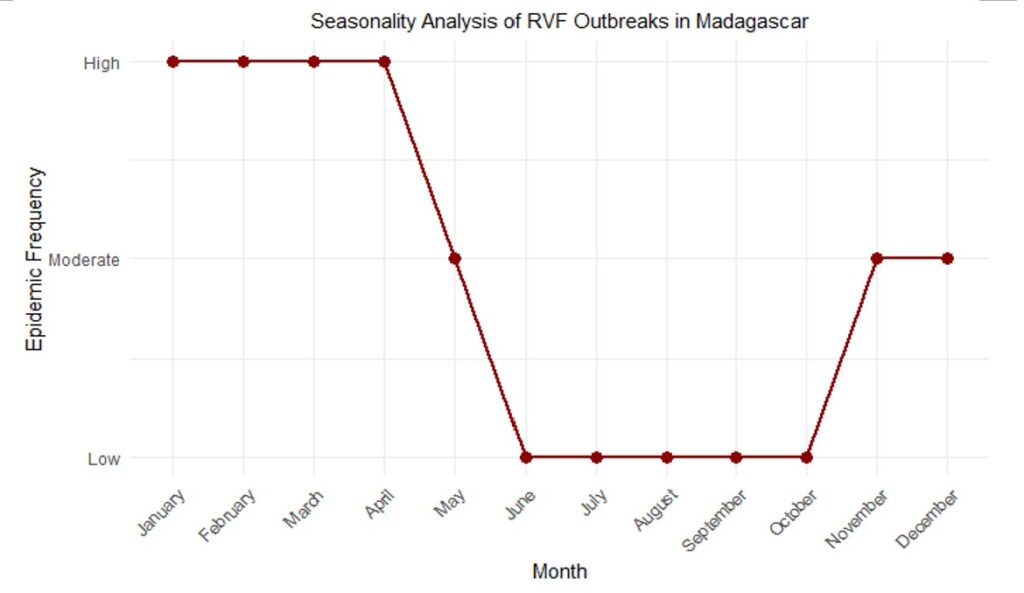
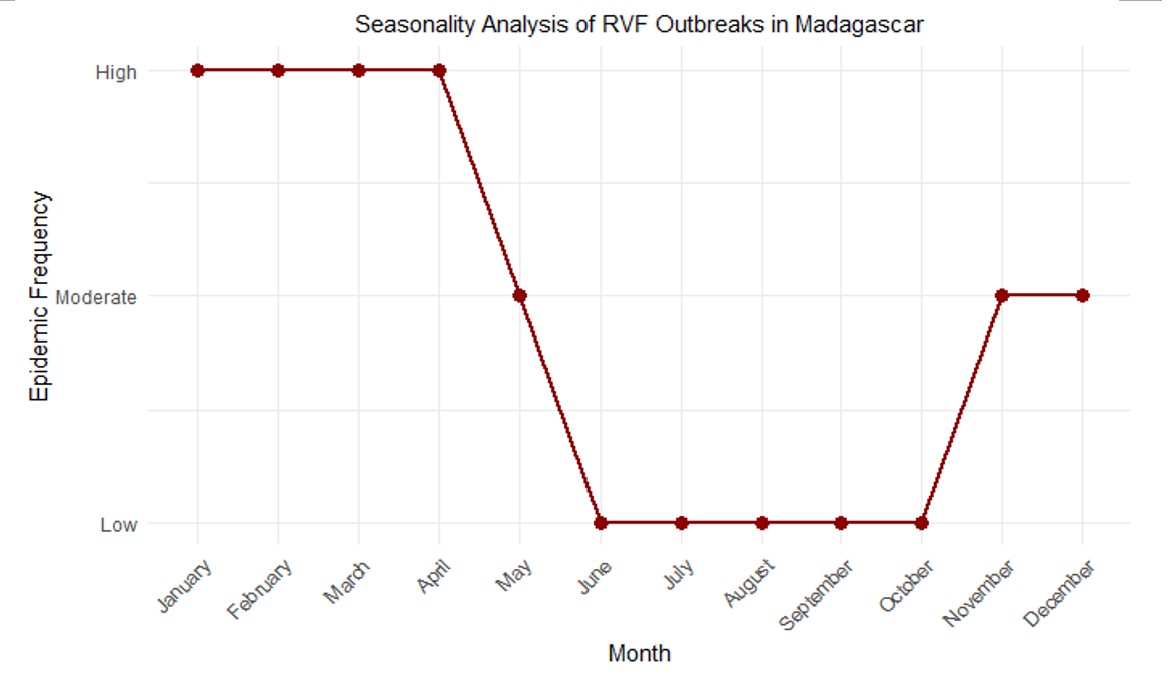
Rift Valley fever (RVF) outbreaks demonstrate a pronounced seasonality closely linked to the precipitation cycle, as shown in Figure 5. The period of highest risk is from January to April, coinciding with the rainy season and peak mosquito vector activity. Outbreaks are frequent in January and February, often peaking in March due to optimal conditions for mosquito multiplication [6,7,28]. Conversely, the dry season, spanning from June to October, limits mosquito reproduction and results in low vector activity and infrequent outbreaks. The risk gradually increases again in November and December with the return of seasonal rains [6].
Climatic drivers
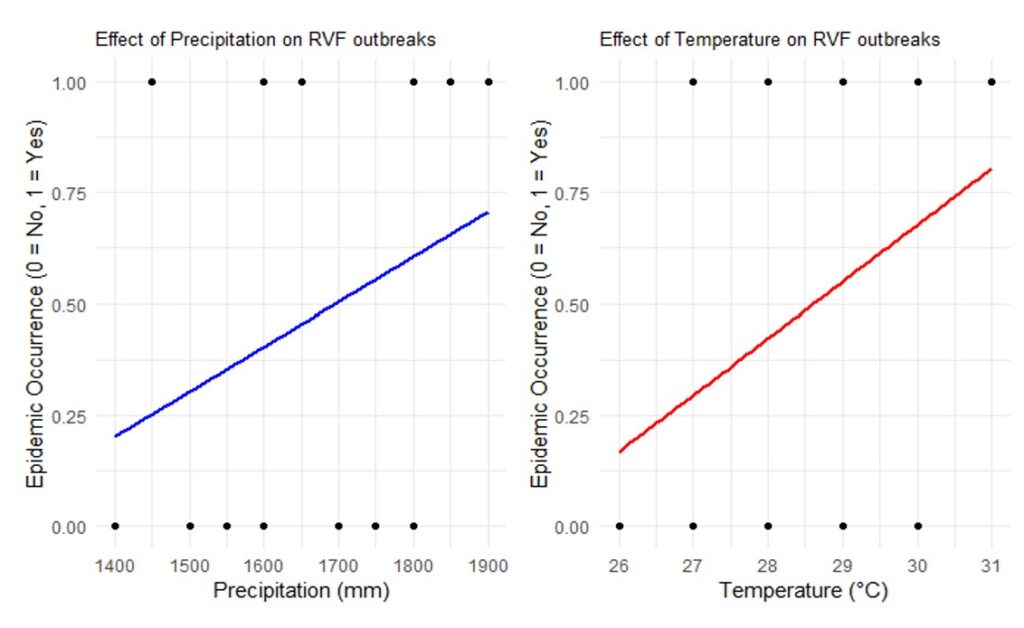
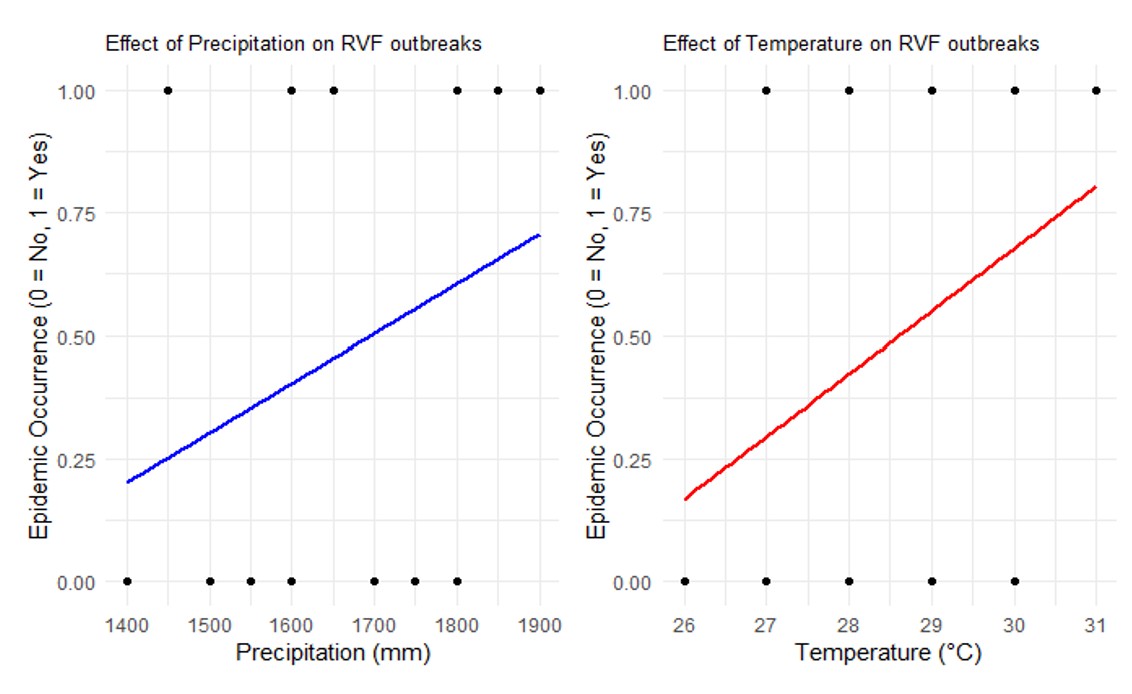
The determinant role of precipitation is demonstrated in Figure 6. Abundant precipitation significantly increases the risk of epidemics by creating favourable stagnant water habitats for mosquito reproduction [6,12,13]. Above-average precipitation in certain years is associated with increased frequency and intensity of outbreaks [11].
The influence of temperature is illustrated in Figure 6. High temperatures accelerate mosquito development and increase the rate of viral transmission, making outbreaks more probable [12,19]. While low temperatures during the dry season slow vector transmission, the virus may persist through residual vectors or other mechanisms [13].
Inferential modelling of outbreak probability
To quantify these climatic influences, a Binomial Generalised Linear Model (GLM) was employed with the probability of outbreak occurrence as the dependent variable. The independent variables, precipitation (TRMM) and temperature (MODIS), were integrated at the district level. While the exploratory model identified positive associations between outbreak probability and precipitation (OR: 1.001; 95% CI: 0.988–1.014; p = 0.805) and temperature (OR: 1.549; 95% CI: 0.444–8.512; p = 0.515), neither variable reached statistical significance (p > 0.05). Consequently, these findings are presented as indicative trends rather than confirmatory evidence of causality.
Regarding modelling assumptions, the model demonstrated a fit with an Akaike Information Criterion (AIC) of 22.2. Multi-collinearity tests confirmed the independence of variables (VIF < 3), and residual analysis was conducted to ensure the model successfully captured the spatial distribution of RVF across the identified high-risk districts.
Identification of critical thresholds
The risk of an RVF outbreak in Madagascar is fundamentally driven by the convergence of competent vectors, high densities of susceptible livestock, and human practices that either facilitate or restrict viral spread [9,22]. According to the sources, specific climatic thresholds serve as primary triggers for viral activity; notably, excessive rainfall and the flooding of dambos (temporary pools) trigger a massive emergence of infected Aedes mosquitoes, which initiates an active transmission cycle [9]. Furthermore, irregular rainfall patterns and subsequent variations in pond water levels promote the successive hatching of multiple mosquito generations during a single rainy season, effectively amplifying viral transmission [22]. High temperatures during the rainy season further exacerbate the risk by accelerating larval development, shortening the mosquito’s gonotrophic cycle, and increasing vector survival, which ensures faster transmission of the virus [5,12]. In contrast, while low temperatures during the dry and cold seasons generally slow down vector-mediated transmission, the virus may still persist through direct transmission, residual vectors, or other underlying ecological mechanisms [21].
Relation with extreme climatic events
The influence of El Niño episodes, characterised by the warming of equatorial Pacific surface waters that alter global climatic conditions, is observed to be less pronounced in triggering RVF outbreaks in Madagascar than in East Africa [7,12]. While these events are associated with abundant rainfall in certain regions of the island, the correlation with outbreaks remains less clear compared to the strong links documented on the African continent [12,26]. Conversely, El Niño episodes, which involve the cooling of these surface waters, have variable effects on local rainfall and may correlate with periods of low outbreak activity, although further data are required to confirm this trend.
Floods resulting from exceptional submersions are frequent during the rainy season and are often exacerbated by cyclones that regularly affect Madagascar between November and April [6,27]. These flooding events create favourable conditions for mosquito proliferation by providing essential larval habitats for RVF vectors, thereby significantly increasing the risk of virus transmission [6,27]. Finally, the heavy rains and violent atmospheric disturbances associated with cyclones may further elevate outbreak risks by favouring the abundance and geographic dispersion of vectors across the island.
Specificities of Madagascar
Rift Valley Fever (RVF) dynamics in Madagascar are uniquely shaped by the island’s distinct ecological and social landscapes [12,19]. Wide ecological diversity leads to significant regional variations in how the virus emerges and persists [12,19]. While precipitation is a primary driver of epidemic dynamics, the specific thresholds for rainfall vary across different Malagasy ecosystems and vector species, necessitating localised studies to identify precise regional risks [22].
Furthermore, the wide variety of ecosystems on the island creates significant fluctuations in temperature, rainfall, and vector abundance, causing RVF dynamics to differ markedly from one region to another [12,19]. One of the most critical specificities is the role of long-distance livestock trade, where movements along commercial corridors introduce the virus into new areas regardless of local climatic triggers [13,21]. As a result, the rigorous monitoring of livestock movements is deemed essential for effective outbreak prevention and control [13,21]. Finally, the current lack of sufficient data concerning climatic events, mosquito vectors, and historical outbreaks makes it difficult for researchers to develop robust and precise predictive models for the island.
Ecological and environmental factors
Flood zones, including irrigated rice fields, marshes, and temporary pools, are critical habitats for vector mosquito reproduction, contributing to viral persistence. These areas enhance larval habitats for mosquitoes, particularly Aedes and Culex, which utilise these sites to reproduce [12,13,18,19]. For example, irrigated rice fields in the Central Highlands are conducive to the development of Culex and Anopheles, demonstrating how agricultural water management influences vector abundance [13,19]. Furthermore, dense vegetation offers refuge to adult mosquitoes, creating favourable micro-habitats [19].
High-risk regions for RVF emergence in Madagascar are primarily identified as the East Coast, the Central Highlands, the Northwest, and the Southwest (notably Atsimo Andrefana) [12,19]. The East Coast is characterised by warm and wet conditions, high livestock density, and proximity to seaports, which have resulted in frequent epidemic foci and elevated seroprevalence rates in local livestock [12,19]. In the Central Highlands, the management of irrigated rice fields and significant livestock movements create ideal habitats for Culex and Anopheles vectors, facilitating recurrent viral circulation as evidenced by major epidemics during 1990–1991 and 2008–2009 [19,21,26]. Finally, the Northwest region remains highly vulnerable due to its warm and humid climate, the presence of extensive flood zones, and high cattle density, all of which favour mosquito proliferation and increase the risk of inter-epizootic transmission [12,19].
The proliferation of RVF vectors in Madagascar is significantly influenced by specific environmental conditions. The combination of geographical and climatic factors sustains vector populations and facilitates virus transmission [12,19]. High humidity is a key determinant, as warm and humid areas receiving abundant rainfall establish ideal conditions for mosquito development by providing abundant larval habitats [12,19]. These conditions make high-risk zones, including the East Coast, the Northwest, and the Central Highlands, particularly vulnerable during the rainy season [12,19]. Furthermore, moderate temperatures are observed to favour mosquito development and survival, contributing to the risk in the Central Highlands and temperate coastal regions [19].
The presence of flood zones significantly enhances mosquito reproduction by creating larval habitats. These zones include both natural areas, such as alluvial plains, and artificial environments, such as irrigated rice fields [19,21]. Consequently, alluvial plains, irrigated rice fields, and low coastal areas are identified as high-risk environments.
Vector survival, particularly during the dry season, is sustained by the proximity to permanent water bodies [19]. Lakes, rivers, and marshes create stable habitats that allow certain mosquito species to persist in river valleys, lake areas, and coastal regions [19]. Finally, dense vegetation offers crucial shelter to adult mosquitoes and creates humid micro-habitats favourable for reproduction, a condition common in forests, wooded savannas, and rice fields [19].
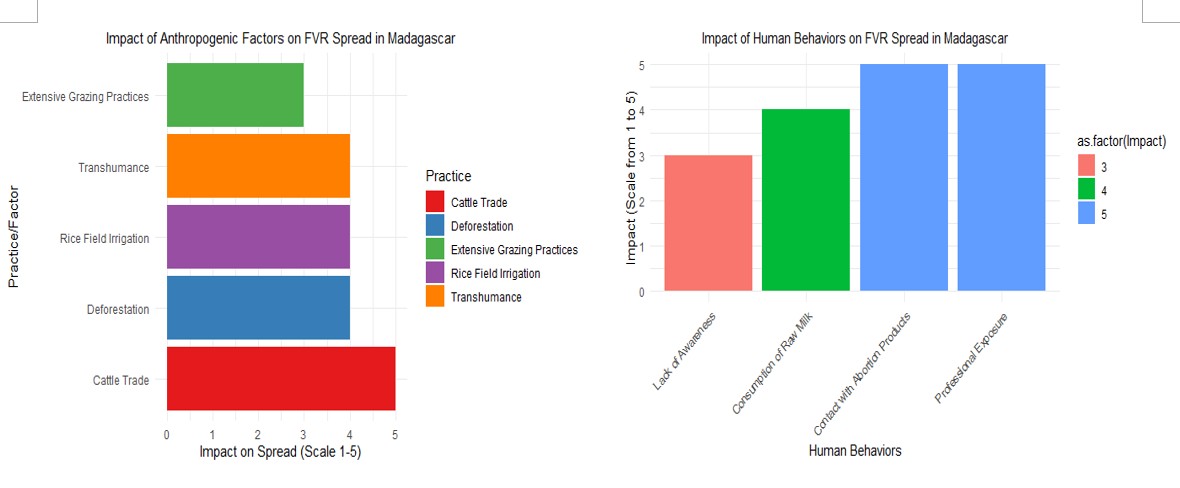
Anthropogenic and demographic factors
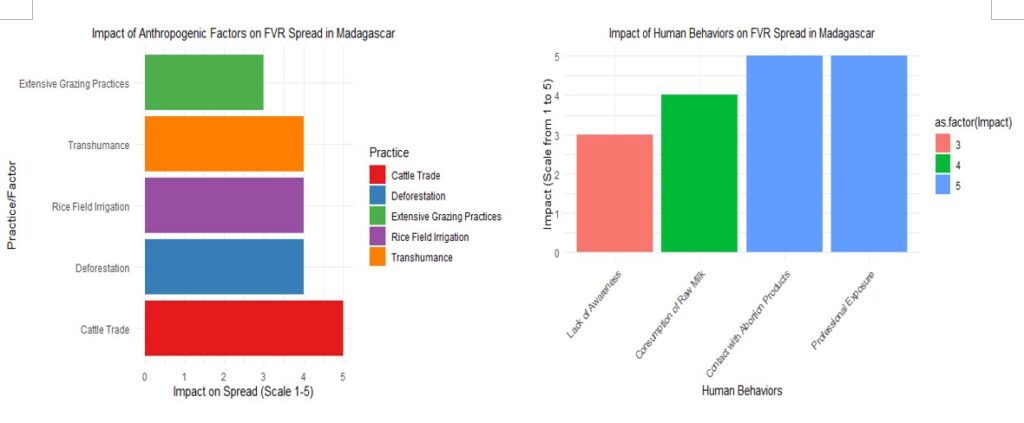
Anthropogenic activities are key drivers of RVF spread in Madagascar. The assessed impact of these factors is illustrated in Figure 7. Livestock trade is the key anthropogenic factor, facilitating viral introduction into non-endemic areas [19,21]. Transhumance facilitates long-distance spread along seasonal movement routes [12,21]. Rice field irrigation creates ideal habitats for vector proliferation, increasing transmission risk [10,21]. Deforestation modifies vector habitats, increasing their proximity to human and livestock populations [12].
As a result, human behaviours significantly influence the transmission of RVF to humans. The impact of high-risk human behaviours is detailed in Figure 7. Professional exposure among slaughterhouse workers, veterinarians, and livestock farmers constitutes a significant risk due to frequent contact with infected animals and fluids [19,23]. The consumption of raw milk from infected animals is an effective transmission route, particularly in rural areas [19]. Handling of aborted products and body fluids (placenta, blood) without adequate protection significantly increases the risk of direct viral exposure [21]. Furthermore, a lack of awareness and insufficient hygiene practices during animal handling worsen the risk of exposure and disease spread [2].
Demographic factors
Demographic factors, including animal and human density, play a crucial role in RVF extension and transmission. This influence is shown in Figure 7. High animal population density in regions like the East Coast favours the emergence and propagation of epizootics by increasing contact between hosts and vectors [19]. High human population density, especially where raw animal product consumption is common, increases the risk of human exposure [12]. Epidemic foci cluster in zones where favourable environmental conditions converge with high livestock density and human activities such as pastoralism and agriculture [12,21].
Analysis of spatio-temporal dynamics and international perspective
The cyclical emergence of RVF in Madagascar, characterised by three major waves since 1979 [6–8,25], suggests enduring viral persistence during inter-epizootic intervals. This maintenance, potentially through transovarial transmission or silent circulation in animal reservoirs, mirrors patterns observed in other endemic African regions [20,21,29–31].
Geographically, the expansion of high-risk clusters in the Central Highlands, Northwest, and East Coast reflects distinct regional drivers. The Highlands represent a critical hotspot where converging livestock markets and irrigated rice cultivation facilitate transmission, a dynamic analogous to focal points in Nigeria and Ethiopia [19,21–23,31,32]. Furthermore, the environmental conditions of the humid Northwest and the cyclone-driven vulnerability of the East Coast mirror the weather-driven outbreak patterns observed in East and Southern Africa, respectively.
Influence of climatic and environmental factors and vector habitat interpretation
The strictly seasonal nature of RVF in Madagascar aligns with broader patterns observed in East and West Africa, where vector explosions are fundamentally driven by seasonal rains and temporary backwaters [33–35]. While the primary triggers on the island, such as the flooding of dambos and irregular rainfall patterns, are mechanistically similar to continental dynamics, our findings highlight a critical regional divergence regarding extreme events [9,22].
Specifically, while El Niño is the dominant driver of major outbreaks in East Africa, its influence in Madagascar is less direct [12,36]. Instead, the island’s risk is more significantly amplified by tropical cyclones and heavy late-season rains, which create the vast larval habitats necessary for large-scale transmission [6,11,27]. This dynamic mirrors weather-driven outbreaks observed in South Africa and Mozambique, distinguishing the island’s risk profile from the El Niño-dependent patterns of the African Horn [12,29].
Environmental modelling further confirms that anthropogenic water management, such as rice field irrigation in the Highlands, provides stable breeding grounds for Culex and Anopheles species [19,21]. This ecological synergy between agricultural practices and seasonal rainfall is a well-documented driver of vector abundance globally, notably mirroring dynamics in the Senegal River Valley where a strong correlation exists between rice cultivation and viral emergence [37].
By integrating vegetation indices (NDVI) to identify micro-habitats for vector survival, these results provide a framework for region-specific predictive models [12,19]. Such models are essential for shifting from reactive outbreak management to proactive anticipation, as successfully demonstrated by satellite-based global models used in other parts of sub-Saharan Africa [29,38,39].
Impact of livestock movements, trade, and anthropogenic factors
Anthropogenic activities are primary drivers of RVF spread across Madagascar, often outweighing local climatic triggers in terms of geographic propagation [2,13]. Livestock trade along established commercial corridors is the key anthropogenic factor, facilitating the introduction of the virus into previously unaffected or non-endemic regions independently of local weather conditions [13,19,21]. Trade networks connecting the Central Highlands to the East Coast explain the recurrent viral circulation observed in areas with otherwise low vector density [19]. This dynamic mirrors trade patterns in West African countries like Mali and Niger, where livestock mobility is a known focal point for viral dissemination [40]. Similarly, transhumance facilitates the long-distance spread of RVF along seasonal pastoral routes, a phenomenon also observed in East Africa where proximity between livestock and vectors in grazing areas increases transmission risk [12,19].
Land-use changes further exacerbate these risks; irrigation for rice cultivation creates stable breeding grounds for Culex and Anopheles mosquitoes, effectively sustaining vector populations through artificial water management [10,21]. This link between rice paddies and increased vector-borne disease epidemics is well-documented globally, particularly in Asia and other parts of Africa [41,42]. Additionally, deforestation in Madagascar modifies natural habitats, increasing the contact between human-animal populations and forest-dwelling vectors [12]. The first isolation of the virus in the Perinet Forest in 1979, prior to any documented outbreaks, suggests a potential sylvatic origin involving wild animal reservoirs [20,25]. This parallels findings in Central and West Africa, where wildlife such as buffalo and antelope in forested or flooded wetlands play a role in viral persistence [43,44].
Demographic factors, risk behaviours, and socio-economic impacts
The transmission of RVF to humans in Madagascar is closely tied to occupational exposure and demographic density. High-risk groups include slaughterhouse workers, veterinarians, and livestock farmers who have frequent contact with infected animal fluids [19,23]. Studies in Tanzania have shown that slaughterhouse workers are 1.8 times more likely to be exposed to the virus through direct blood contact or aerosols [45]. Furthermore, handling aborted foetal materials without personal protective equipment (PPE) is a universal transmission mechanism, often identifying the first human cases during an epidemic, as seen in Kenya during the 2006–2007 wave [21,46]. Foodborne transmission is another critical factor; the consumption of raw, unpasteurised milk is a major risk in Malagasy rural areas, a finding corroborated by outbreaks in Mauritania and Egypt [19,35].
The socio-economic consequences of RVF are devastating for Madagascar’s rural economy. Outbreaks lead to significant economic losses due to trade restrictions, market closures, and international embargoes, with estimated impacts in East Africa ranging from $5 million to $470 million [47]. In Madagascar, the physical disabilities observed in infected animals exacerbate consumer mistrust of meat and milk products, fuelling food crises in affected regions [48,49]. Moreover, the rapid spread of the virus often overwhelms local health infrastructures, particularly in rural areas where access to care is already limited [31,50]. Veterinary services also face immense strain, as they must manage mass slaughters and the biosecure destruction of carcasses during peak epizootic periods [51].
Surveillance systems, predictive modelling, and “One Health” Strategies
Current surveillance and response systems in Madagascar have historically been judged insufficient or inadequate [14]. To address these gaps, a “One Health” approach is essential, requiring the joint mobilisation of human, animal, and environmental health sectors [1,2]. The involvement of veterinarians, health authorities (DSV, DVSSER), and community animal health agents (APPSA) is crucial for improving early detection and managing high-risk trade corridors [6,28]. Strengthening surveillance during silent inter-epizootic periods is particularly important for identifying low-level viral circulation before it escalates into a major outbreak [20,21].
The development of local predictive models incorporating climatic data (rainfall, temperature) and environmental indices (NDVI) is a priority for intervention planning [13,38]. Global models using satellite data have successfully predicted outbreaks in sub-Saharan Africa, providing a template for Madagascar to target its resources more effectively [29]. Furthermore, participatory epidemiology, which integrates local communities and livestock owners into data collection, has proven successful in Kenya and Ethiopia for improving risk management [32,52]. Ultimately, a resilient strategy for Madagascar must include preventive livestock vaccination, vector control programs (such as larviciding in rice fields), and intensive public health education to reduce the long-term impact of RVF on the island’s population and economy [2,10,53].
Limitations
Limitations include potential publication bias toward major outbreaks, significant methodological heterogeneity across the 47-year period. The varying frequency of reported outbreaks must be contextualised within the evolution of Madagascar’s health infrastructure. The transition from classical entomological surveillance in 1979 to the implementation of molecular diagnostics (RT-PCR) and community-based surveillance networks in 2021 has significantly enhanced detection sensitivity, potentially biasing longitudinal comparisons across the 47-year study period. Furthermore, we acknowledge the inherent challenges of inferring causality from secondary ecological data, particularly concerning geospatial accuracy and standardisation of collection methods. The restricted number of studies available on this specific topic and potential publication bias in accessible literature were noted, alongside challenges in generalising findings due to the ecological and epidemiological diversity across Madagascar.
Rift Valley Fever (RVF) represents a major public health and veterinary threat in Madagascar, resulting in significant morbidity and socio-economic burdens for both human populations and the livestock sector. Since its initial detection in 1979, the island has experienced three distinct epidemic waves: 1990–1991, 2008–2009, and 2021, with evidence of silent viral circulation during inter-epizootic intervals. The emergence and propagation of the virus are driven by a complex interplay of environmental conditions, seasonal climatic fluctuations, and anthropogenic dynamics, most notably livestock movements along trade corridors. High-risk zones, including the East Coast, Central Highlands, Northwest, and Southwest, require targeted surveillance due to their high animal densities and favourable wetland habitats. To mitigate future outbreaks, Madagascar must adopt an integrated “One Health” strategy that strengthens early warning systems, enhances biosecurity in livestock trade, and facilitates cross-sectoral coordination between human, animal, and environmental health authorities.
What is already known about the topic
What this study adds
The research team would like to thank the following individuals and institutions for their critical support in the realisation of this systematic review. Faculty of Medicine of Antananarivo, for his leadership and commitment to academic excellence. Director of Training and Research at the National Institute of Public and Community Health (INSPC), and all superiors and colleagues at the Institute, for their professional support. All professors and teachers at the Faculty of Medicine of Antananarivo for the knowledge generously transmitted. The administrative and technical staff of the Faculty of Medicine of Antananarivo for their essential logistical support.
List of abbreviations and acronyms
AIC: Akaike Information Criterion
APPSA: Local animal production and health agents (or Community Animal Health Workers/Agents)
DSV: Directorate of Veterinary Services (Direction des Services Vétérinaires)
DVSSER: Directorate of Health Monitoring, Epidemiological Surveillance, and Response (Direction de la Veille Sanitaire, de la Surveillance Épidémiologique et de la Riposte)
GLM: Generalised Linear Models (specifically Binomial Generalised Linear Models)
INSPC: National Institute of Public and Community Health (Institut National de la Santé Publique et Communautaire)
MODIS: Moderate Resolution Imaging Spectroradiometer
NDVI: Normalised Difference Vegetation Index
PICO: Population, Intervention, Comparison, Outcome (a framework applied to the systematic review)
PPE: Personal Protective Equipment
PRISMA: Preferred Reporting Items for Systematic Reviews and Meta-Analyses (Guidelines for reporting systematic reviews)
RVF: Rift Valley Fever (the subject of the review)
RVFV: Rift Valley Fever Virus
SOI: Southern Oscillation Index
TRMM: Tropical Rainfall Measuring Mission
VIF: Variance Inflation Factor
FA: Conceptualisation, Data curation, Formal analysis, Investigation, Methodology, Project administration, Software, Validation, Visualisation, Writing – original draft, and Writing – review & editing. BM: Conceptualisation, Validation, and Writing – review & editing. ZAR: Conceptualisation, Methodology, and Validation. SRR: Writing – review & editing. DR: Supervision and Validation. FMR: Supervision and Validation. LR: Supervision, Validation, and Writing – review & editing. RLA: Validation. JR: Supervision and Validation. All authors have read and approved the final version of the manuscript.
| Study reference | Study type | Data collection methods | Key finding / result |
|---|---|---|---|
| Clerc et al. (1982) [24] | Surveillance | Mosquito collection, viral analysis | Detection of the virus in the Andasibe-Périnet forest |
| Fontenille et al. (1988) [25] | Surveillance | Mosquito capture, virological tests | The first isolation of the virus was recorded in 1979 |
| Morvan et al. (1991) [7] | Epidemic | Clinical and epidemiological surveys | Documentation of the first major epizootic |
| Morvan et al. (1992) [26] | Epidemic | Serology (IgM, IgG), mosquito collection | High IgM levels in cattle and human cases |
| Morvan et al. (1992) [36] | Surveillance | Analysis of past outbreaks, climate | Suggested a potential link to El Niño events, later clarified as an indirect influence compared to East African dynamics |
| Nicolas et al. (2010)* [54] | Association | Farmer surveys, commercial network | Link between cattle trade and seroconversion |
| Andriamandimby et al. (2010) [6] | Surveillance | ELISA IgG/IgM, blood samples | Evidence of active vector transmission |
| Jeanmaire et al. (2011) [27] | Surveillance | Blood samples, ELISA | Post-epizootic prevalence in ruminants |
| Chevalier et al. (2011) [22] | Association | Longitudinal serological monitoring | Factors affecting transmission in cattle |
| Ratovonjato et al. (2011) [55] | Epidemic | Mosquito capture, genetic tests | Virus detected in vectors (Haute Matsiatra) |
| Olive et al. (2013) [5] | Surveillance | Serological and virological monitoring | Identification of high-risk geographic zones |
| Nicolas et al. (2013) [21] | Association | Seroprevalence, livestock movements | Key role of livestock trade in virus spread |
| Nicolas et al. (2014) [13] | Spatial Modelling | Spatially explicit modelling | Key determinants for recurrent circulation |
| Olive et al. (2016) [19] | Surveillance / Association | Seroprevalence, environmental, and socio-economic data | Behavioural and environmental links to infection |
| Lancelot et al. (2017) [12] | Epidemic | Environmental and climatic data | Climatic drivers identified in past outbreaks |
| Olive et al. (2017) [56] | Bayesian Modelling | Seroprevalence, FOI modelling | Identification of peak transmission periods |
| Nepomichene et al. (2018) [18] | Entomological | Experimental infection | Vector competence of Culex and Anopheles |
| Morvan et al. (2021)* [20] | Epidemic | Surveillance, laboratory tests | Viral persistence during inter-epidemic periods |
| SEGA One Health (2021)* [2] | Epidemic | Description of response actions | Evaluation of response strategies and training |
| Razafindraibe et al. (2023) [8] | Epidemic | Surveillance data | Description of 2021 epidemic and response |
| Tantely et al. (2024) [9] | Epidemic | Clinical surveys, data collection | Findings from multisite epidemic monitoring |
| Tantely et al. (2024) [57] | Entomological | Longitudinal multi-host survey | Insights into mosquito dynamics in peri-urban Antananarivo |
| Harimanana et al. (2024) [28] | Epidemic | Outbreak investigation, surveillance data | Documentation of the 2021 re-emergence in Mananjary |
*Grey literature
| Category | Specific Driver / Factor | Citations (Author, Year) |
|---|---|---|
| Climatic | Heavy and abundant rainfall | Andriamandimby et al. (2010), Tantely et al. (2024) |
| Climatic | Elevated temperatures | Lancelot et al. (2017), Olive et al. (2016) |
| Climatic | Cyclones and exceptional flooding | Morvan et al. (1991), Morvan et al. (1992), Jeanmaire et al. (2011) |
| Anthropogenic | Livestock trade along commercial corridors | Nicolas et al. (2010), Nicolas et al. (2013), Nicolas et al. (2014), Olive et al. (2016) |
| Anthropogenic | Transhumance and seasonal pastoral routes | Lancelot et al. (2017), Nicolas et al. (2013) |
| Anthropogenic | Irrigation of rice fields | Nicolas et al. (2014), Nepomichene et al. (2018) |
| Anthropogenic | Deforestation and land-use changes | Lancelot et al. (2017) |
| Ecological | Flood zones (Marshes and temporary pools) | Lancelot et al. (2017), Nicolas et al. (2014), Nepomichene et al. (2018) |
| Ecological | Dense vegetation (NDVI) | Lancelot et al. (2017), Olive et al. (2016) |
| Human Behaviours | Occupational exposure (slaughterhouse, vets) | Zeller et al. (1998), Olive et al. (2016) |
| Human Behaviours | Consumption of raw, unpasteurised milk | Olive et al. (2016) |
| Human Behaviours | Handling aborted products and fluids | Nicolas et al. (2013), Zeller et al. (1998) |
| Demographic | High animal and human population density | Lancelot et al. (2017), Olive et al. (2016) |