Research | Open Access | Volume 9 (4): Article 173 | Published: 29 Oct 2026

Views: 193
Menu, Tables and Figures
| Variable | Study population | Dog bites | Deaths | |||
|---|---|---|---|---|---|---|
| Cases | IRR (95% CI) | Number [N=4] | Mortality rate per 100,000 (95% CI) | |||
| Number [N=3,619] | Incidence/100,000 (95% CI) | |||||
| Sex | ||||||
| Male | 4,146,660 | 1,911 | 46.1 (44.0-48.2) | Ref | 3 | 0.07 (0.01-0.21) |
| Female | 4,492,214 | 1,708 | 38.0 (36.2-39.9) | 0.82 (0.77-0.88) | 1 | 0.02 (0.00-0.08) |
| Age group (years) | ||||||
| 0-4 | 958,915 | 440 | 45.9 (41.7-50.4) | Ref | 0 | – |
| 5-9 | 1,028,026 | 689 | 67.0 (62.1-72.2) | 1.46 (1.30-1.65) | 0 | – |
| 10-14 | 967,554 | 469 | 48.5 (44.2-53.1) | 1.06 (0.93-1.20) | 3 | 0.31 (0.06-0.91) |
| 15-17 | 613,359 | 182 | 29.7 (25.5-34.3) | 0.65 (0.54-0.77) | 0 | – |
| 18-19 | 371,472 | 127 | 34.2 (28.5-40.7) | 0.75 (0.61-0.91) | 0 | – |
| 20-34 | 1,969,663 | 587 | 29.8 (27.4-32.3) | 0.65 (0.57-0.73) | 0 | – |
| 35-49 | 1,339,026 | 476 | 35.5 (32.4-38.9) | 0.77 (0.68-0.88) | 1 | 0.07 (0.00-0.42) |
| 50-59 | 587,444 | 272 | 46.3 (41.0-52.1) | 1.01 (0.87-1.17) | 0 | – |
| 60-69 | 423,305 | 204 | 48.2 (41.8-55.3) | 1.05 (0.89-1.24) | 0 | – |
| 70+ | 380,110 | 173 | 45.5 (39.0-52.8) | 0.99 (0.83-1.18) | 0 | – |
| Year | ||||||
| 2019 | 1,792,483 | 693 | 38.7 (35.8-41.7) | Ref | 0 | – |
| 2020 | 1,832,999 | 735 | 40.1 (37.3-43.1) | 1.04 (0.93-1.15) | 0 | – |
| 2021 | 1,636,779 | 793 | 48.4 (45.1-51.9) | 1.25 (1.13-1.39) | 2 | 0.12 (0.01-0.44) |
| 2022 | 1,670,764 | 729 | 43.6 (40.5-46.9) | 1.13 (1.02-1.25) | 2 | 0.12 (0.01-0.43) |
| 2023 | 1,705,849 | 669 | 39.2 (36.3-42.3) | 1.01 (0.91-1.13) | 0 | – |
| Total | 8,638,874 | 3,619 | 41.9 (40.5-43.3) | – | 4 | 0.05 (0.01-0.12) |
Table 1: Dog bite incidence and mortality rates by sex, age, and year, Volta Region, 2019 – 2023
Chrysantus Kubio1,2,&, Farouk Umar Saeed3, Williams Azumah Abanga4, Maxwell Afetor5, Joseph Jerela6, Samuel Adolf Bosoka6, Victor Zeng5, Frank Baiden1
1Department of Epidemiology and Biostatistics, Fred N. Binka School of Public Health, University of Health and Allied Sciences, Ho, Ghana, 2Northern Regional Health Directorate, Ghana Health Service, Tamale, Ghana, 3Savannah Regional Health Directorate, Ghana Health Service, Damongo, Ghana, 4Saboba District Health Directorate, Ghana Health Service, Saboba, Ghana, 5Health Information Unit, Volta Regional Health Directorate, Ghana Health Service, Ho, Ghana, 6Disease Surveillance Unit, Volta Regional Health Directorate, Ho, Ghana
&Corresponding author: Chrysantus Kubio, Department of Epidemiology and Biostatistics, Fred N. Binka School of Public Health, University of Health and Allied Sciences, Ho, Ghana, Email: chryskubio@yahoo.com
Received: 31 May 2026, Accepted: 24 Oct 2026, Published: 29 Mar 2026
Domain: Injury Epidemiology, Zoonosis
Keywords: Dog bite, injuries, epidemiology, Volta Region, Ghana
©Chrysantus Kubio et al. Journal of Interventional Epidemiology and Public Health (ISSN: 2664-2824). This is an Open Access article distributed under the terms of the Creative Commons Attribution International 4.0 License (https://creativecommons.org/licenses/by/4.0/), which permits unrestricted use, distribution, and reproduction in any medium, provided the original work is properly cited.
Cite this article: Chrysantus Kubio et al., Epidemiology of dog bite injuries in the Volta Region, Ghana: A retrospective analysis. Journal of Interventional Epidemiology and Public Health. 2026; 9(4):173. https://doi.org/10.37432/jieph-d-26-00170
Introduction: Dog bite injury is a public health concern in Ghana due to its potential to cause the deadly rabies disease in humans. To understand the dog bite injury situation in the Volta Region and inform preventive and control measures, this study described the incidence, trend and distribution of dog bite injuries in the Volta Region of Ghana from 2019 to 2023.
Methods: A retrospective cross-sectional study on dog bite injuries was conducted in the Volta Region of Ghana using dog bite injury and mortality data from the District Health Information Management System 2 (DHIMS2) and the District Health Information System (DHIS) from 2019 to 2023. We analyzed the data using Stata version 17 and Quantum Geographic Information Systems (QGIS) 3.30. We generated frequencies, proportions, ratios, and choropleth maps. We used Poisson regression to estimate crude incidence rate ratios and their 95% confidence intervals. The results were presented as tables, graphs and maps.
Results: Of the 3,619 dog bite cases reported from 2019 to 2023, four were fatal. The overall incidence of dog bite injury was 41.9 per 100,000 population and a mortality rate of 0.05 per 100,000. Females were less likely to experience a dog bite compared to males (IRR = 0.82; 95% CI: 0.77–0.88). Compared to children aged 0–4 years, those aged 5–9 years had a higher risk of dog bite injury (IRR = 1.46; 95% CI: 1.30–1.65). The incidence rate reduced from 48.4 in 2021 to 39.2 per 100,000 in 2023. Hohoe and Keta Municipalities recorded the highest yearly incidence rate, while Akatsi North District recorded the lowest rate.
Conclusion: The incidence of dog bite injuries in the Volta Region was 41.9 per 100,000 population. Males had a higher reported incidence than females, and children aged 5–9 years had the highest age-specific incidence. Hohoe and Keta Municipalities recorded the highest incidence rates. These findings supported the need for targeted school- and community-based dog bite prevention education, responsible dog ownership, and strengthened surveillance.
Dog bite injury is an important but often overlooked public health problem that contributes substantially to injury-related morbidity worldwide [1]. Beyond the immediate physical injuries, dog bites can result in psychological trauma, disability, increased healthcare costs, and loss of productivity [2,3]. They also expose victims to infections, most notably rabies, making dog bite injuries a significant concern for both injury prevention and infectious disease control [4–7]. Globally, millions of people sustain dog bite injuries each year, with approximately 4.5 million cases reported annually in the United States alone [5,6]. Children are disproportionately affected because of their frequent interaction with dogs, smaller body size, and inability to protect themselves from attacks [6].
The burden of dog bite injuries is particularly high in low- and middle-income countries, especially in Africa and Asia, where large populations of free-roaming and unvaccinated dogs coexist with humans [5,8]. Rapid urbanization, increasing dog ownership for security, companionship and hunting, poor enforcement of responsible dog ownership regulations, and inadequate animal control programs have contributed to the persistence of dog bite injuries in many communities [9–11]. Although most dog bite injuries are not fatal, they may result in severe tissue damage, permanent disability, emotional distress, and costly medical treatment. In addition, bites from rabid dogs remain the primary route of transmission of rabies in human beings, which is almost invariably fatal once clinical symptoms develop [6,12].
In Ghana, dog bite injuries remain a persistent public health problem. Increasing dog ownership, coupled with inadequate vaccination coverage and poor control of stray dog populations, continues to expose communities to dog bite incidents and the risk of rabies transmission [13–16]. Previous studies have documented considerable geographical variation in the incidence of dog bite injuries across the country. For example, incidence rates of 172 and 248 cases per 100,000 population have been reported in the Eastern Region and the former Volta Region, respectively [17,18]. These studies further indicate that males and children experience the highest burden of dog bite injuries, underscoring the need for targeted prevention strategies [17,18].
Dog bite injuries are routinely reported through the Integrated Disease Surveillance and Response (IDSR) system of the Ghana Health Service, while animal rabies surveillance is coordinated separately by the Veterinary Services Directorate [19]. Routine epidemiological analysis of dog bite surveillance data is essential for understanding injury occurrence, identifying high-risk populations and geographical hotspots, monitoring temporal trends, and guiding the allocation of preventive interventions and healthcare resources. This evidence is particularly valuable for strengthening injury surveillance and informing multisectoral strategies for dog bite prevention and rabies control.
A descriptive analysis of dog bite surveillance data in the former Volta Region, covering 2015–2019, provided baseline information on the burden of dog bite injuries before the creation of the Oti Region in 2019 [18]. However, following the administrative re-organization of the Volta Region, the epidemiology of dog bite injuries in the redefined Volta Region has not been comprehensively described. Updated evidence is required to understand current incidence patterns, temporal trends, demographic characteristics, and geographical distribution to support evidence-based public health action on dog bite injuries. This study examined the epidemiology of dog bite injury in the Volta Region of Ghana from 2019 to 2023 using routinely collected institutional surveillance data. We described the incidence, temporal trends, demographic and geographical distribution, and mortality associated with dog bite injuries to provide evidence for targeted interventions and strengthen injury prevention programs in the region.
Study site
This research was carried out in the Volta Region of Ghana. An estimated 1.7 million people live in the 18 districts that make up the region [20]. The regional map with its district boundaries was described in our earlier study [21]. Most of the inhabitants are rural people and are engaged in agriculture. There were 14 Veterinary Clinics and an estimated 2,059 dogs in the region as of 2020 [18]. Most of the dogs in the region roam freely and easily come into contact with people. The existence of many water bodies, including the Volta Lake in the region, has an impact on access to healthcare for victims of dog bites.
Study design
We conducted a retrospective cross-sectional study using institutional dog bite injury and mortality data in the Volta Region of Ghana from the District Health Information Management System 2 (DHIMS2) and the District Health Information System (DHIS) from 2019 to 2023.
Data source and handling
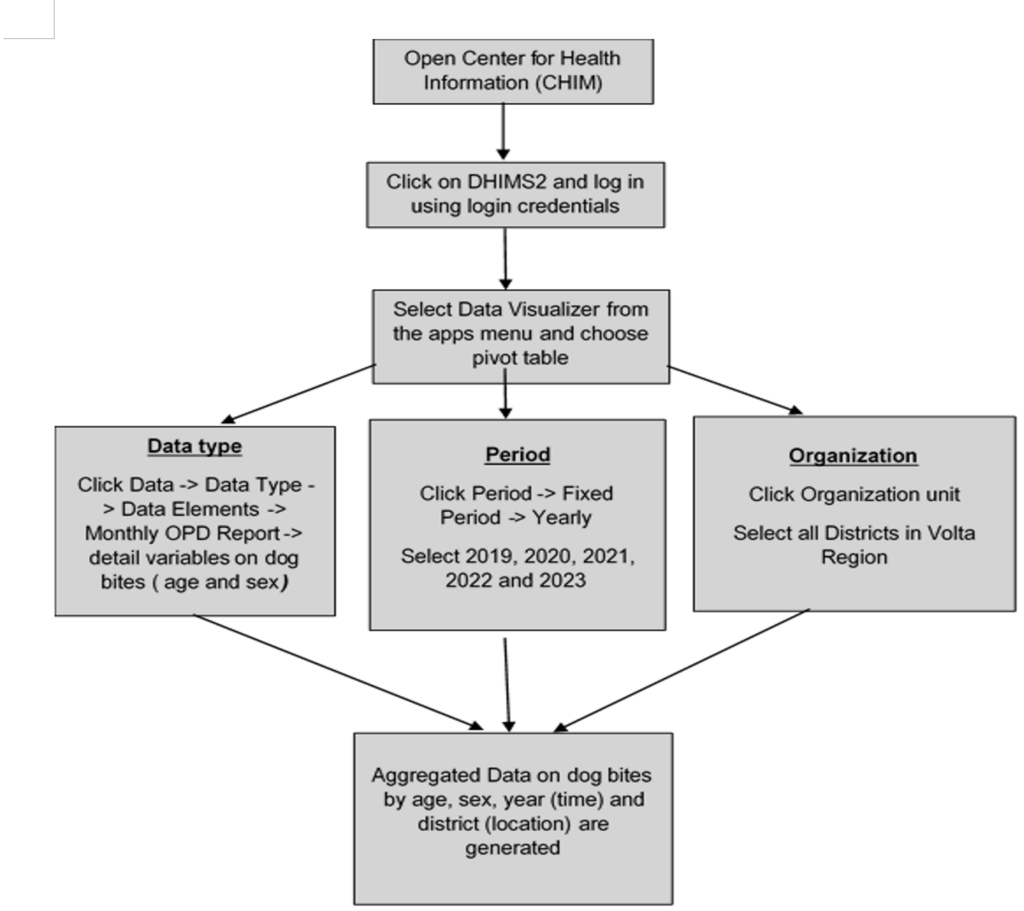
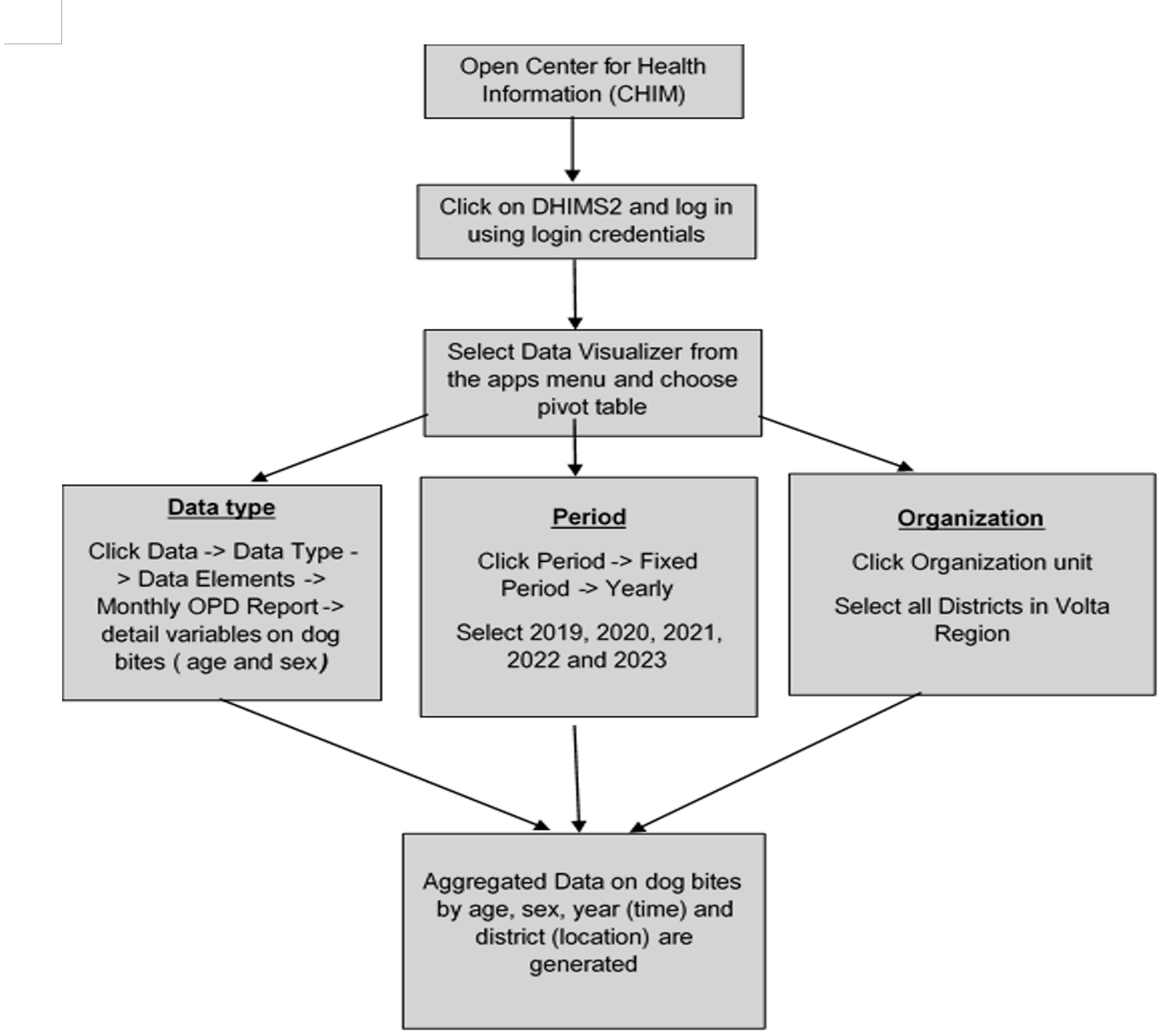
We analysed secondary data on dog bites and deaths in the region from 2019 to 2023. A dog bite case was defined as any person who sustained a bite from a dog and was recorded in the DHIMS2 during the study period, in accordance with the Ghana Health Service IDSR standard case definition. The dog bite injury data were drawn from the DHIMS2, while the mortality data were drawn from the inpatient morbidity and mortality report and the cause of death report components of the DHIS. A detailed description of the data extraction procedure can be found in our earlier studies [24]. The number of reported dog bite cases, fatalities, age, sex, and the reporting districts of the cases and deaths were the variables that were extracted for the analysis; no patient identifiers were included in the data.
Data analysis
The retrieved data were exported to Microsoft Excel 2019 for cleaning. The data cleaning process was done. The analysis was done using Stata version 17. Descriptive analysis was conducted by person, place, and time. Choropleth maps were drawn to illustrate the distribution of dog bite cases and fatalities using QGIS 3.30. The overall, age-specific, and yearly incidence and mortality rates were calculated by dividing the total recorded dog bite cases and deaths by the corresponding total population. The results were reported per 100,000 population for dog bite cases and per 100,000 population for the deaths. Poisson regression analysis was done to estimate the crude incidence rate ratios (IRRs) and their corresponding 95% confidence intervals. The results were presented using tables, graphs and maps.
Ethical clearance
This study was granted ethical clearance by the University of Health and Allied Sciences Research Ethics Committee, with the protocol number: UR183/1225. Also, formal approval was granted by the Volta Regional Health Directorate before this research was conducted. In addition, de-identified secondary data were used for the analysis. The research was carried out in line with the principles of the World Medical Association Declaration of Helsinki.
Incidence and mortality rates of dog bites
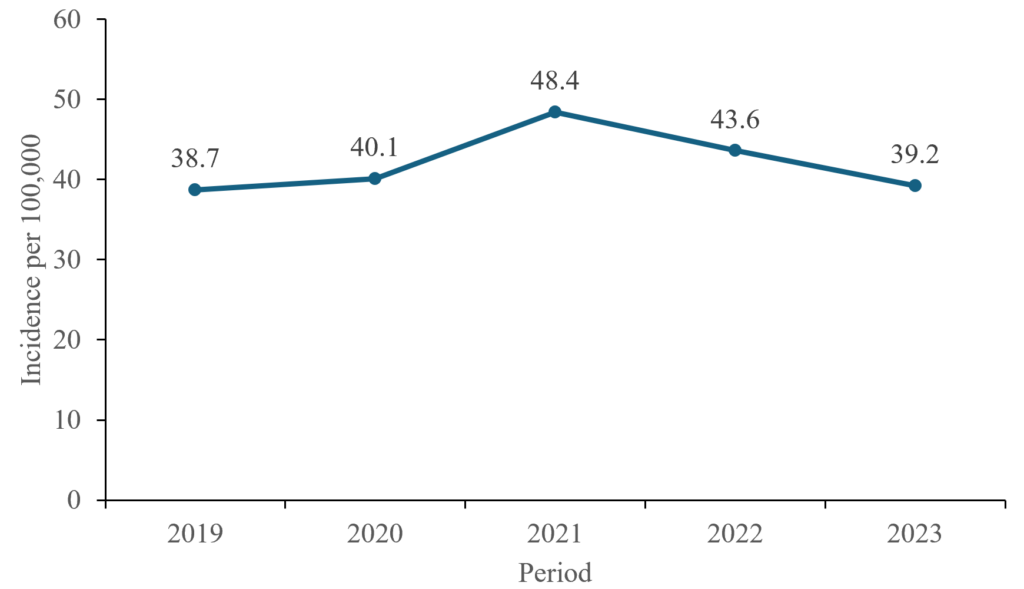
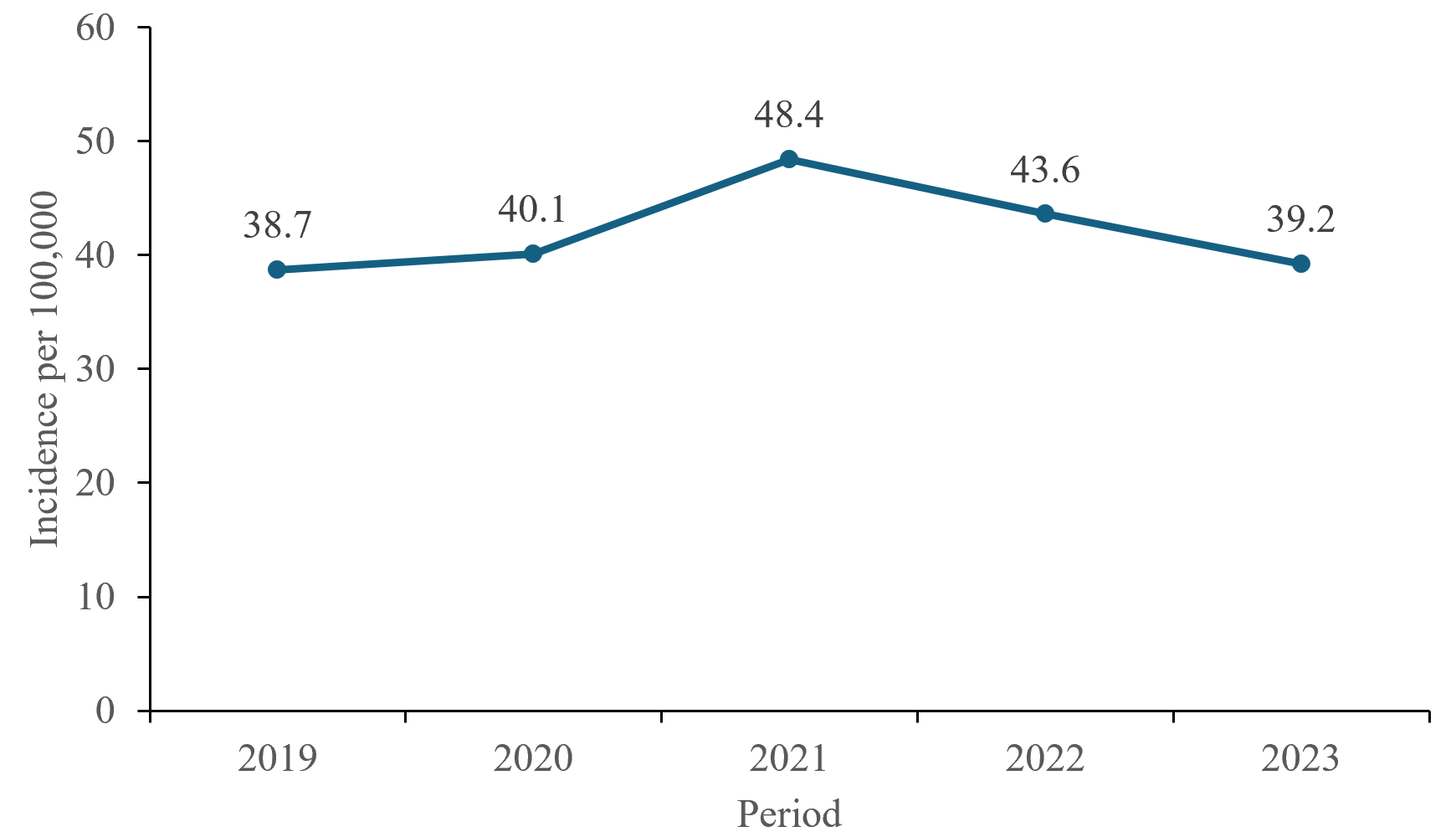
For the study period, 3,619 dog bite injuries were reported to health facilities, with four deaths. The overall incidence of dog bites was 41.9 per 100,000 population and an overall mortality rate of 0.05 per 100,000. The highest incidence was recorded in 2021, 48.4 per 100,000, while the highest mortality rate was jointly recorded in 2021 and 2022, 0.12 per 100,000 (Table 1). The incidence rate increased from 38.7 per 100,000 in 2019, peaked at 48.4 per 100,000 in 2021 and declined to 39.2 per 100,000 in 2023, describing a rise-and-fall situation (Figure 2).
On risk analysis, females were less likely to experience a dog bite injury compared to males (IRR = 0.82; 95% CI: 0.77–0.88). Compared to children aged 0–4 years, those aged 5–9 years were more likely to be at a higher risk of dog bite (IRR = 1.46; 95% CI: 1.30–1.65). On the contrary, significantly lower risks were observed among individuals aged 15–17 years (IRR = 0.65; 95% CI: 0.54–0.77), 18–19 years (IRR = 0.75; 95% CI: 0.61–0.91), 20–34 years (IRR = 0.65; 95% CI: 0.57–0.73), and 35–49 years (IRR = 0.77; 95% CI: 0.68–0.88). No statistically significant differences were observed among those aged 10–14 years, 50–59 years, 60–69 years, or 70 years and above. With respect to temporal trends, compared with 2019, the risk was significantly higher in 2021 (IRR = 1.25; 95% CI: 1.13–1.39) and 2022 (IRR = 1.13; 95% CI: 1.02–1.25), while no significant differences were observed in 2020 or 2023 (Table 1).
Distribution of dog bite injuries
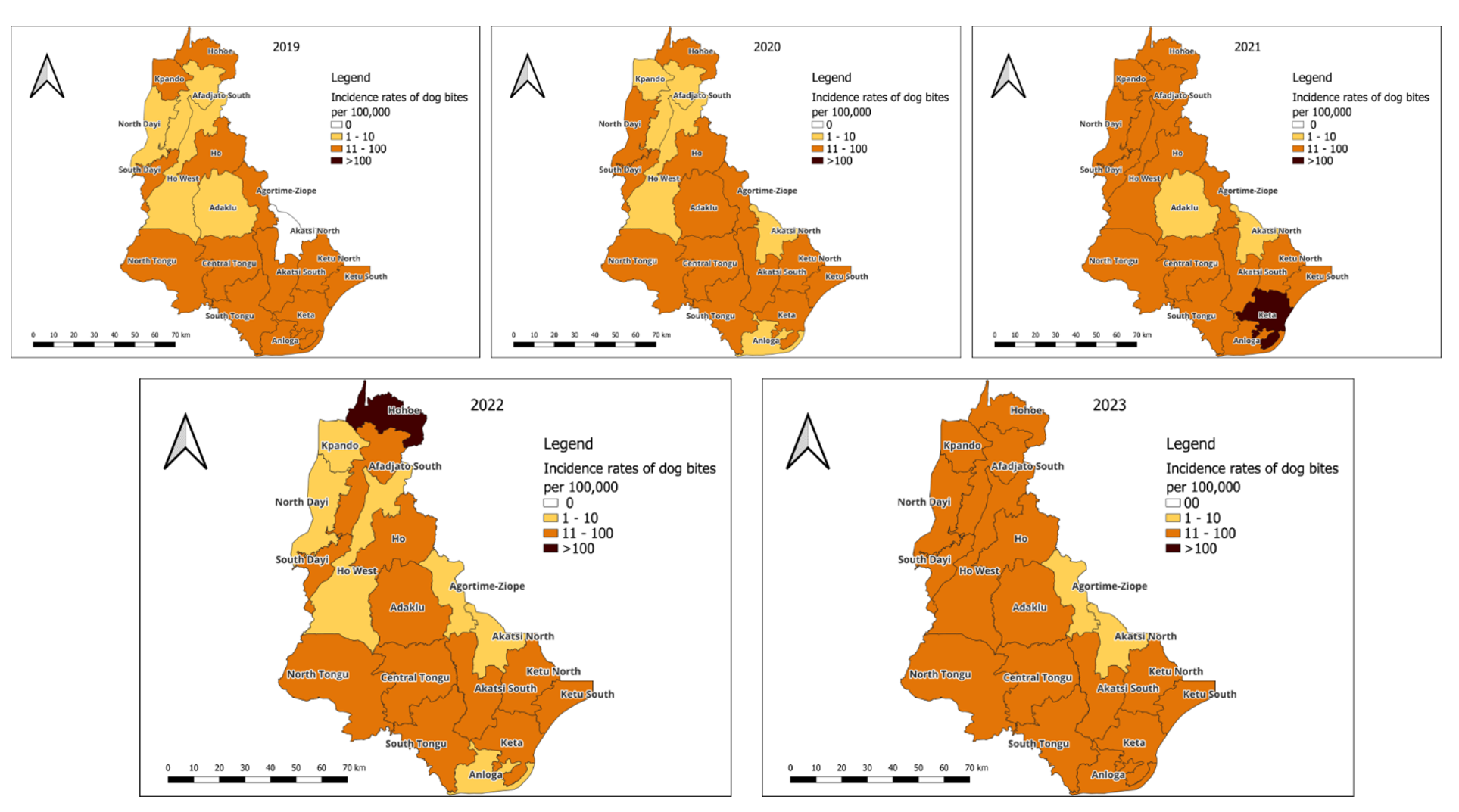
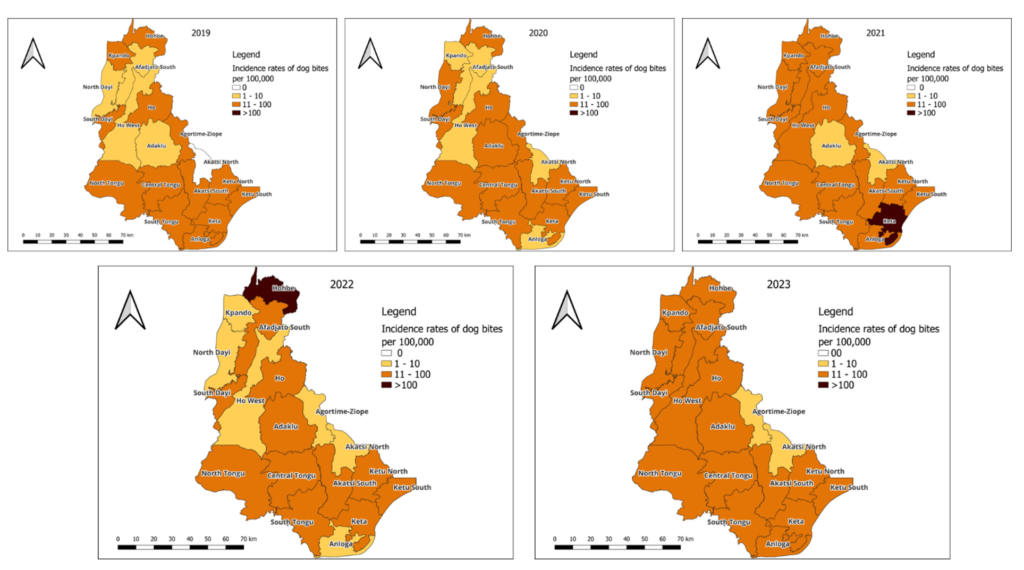
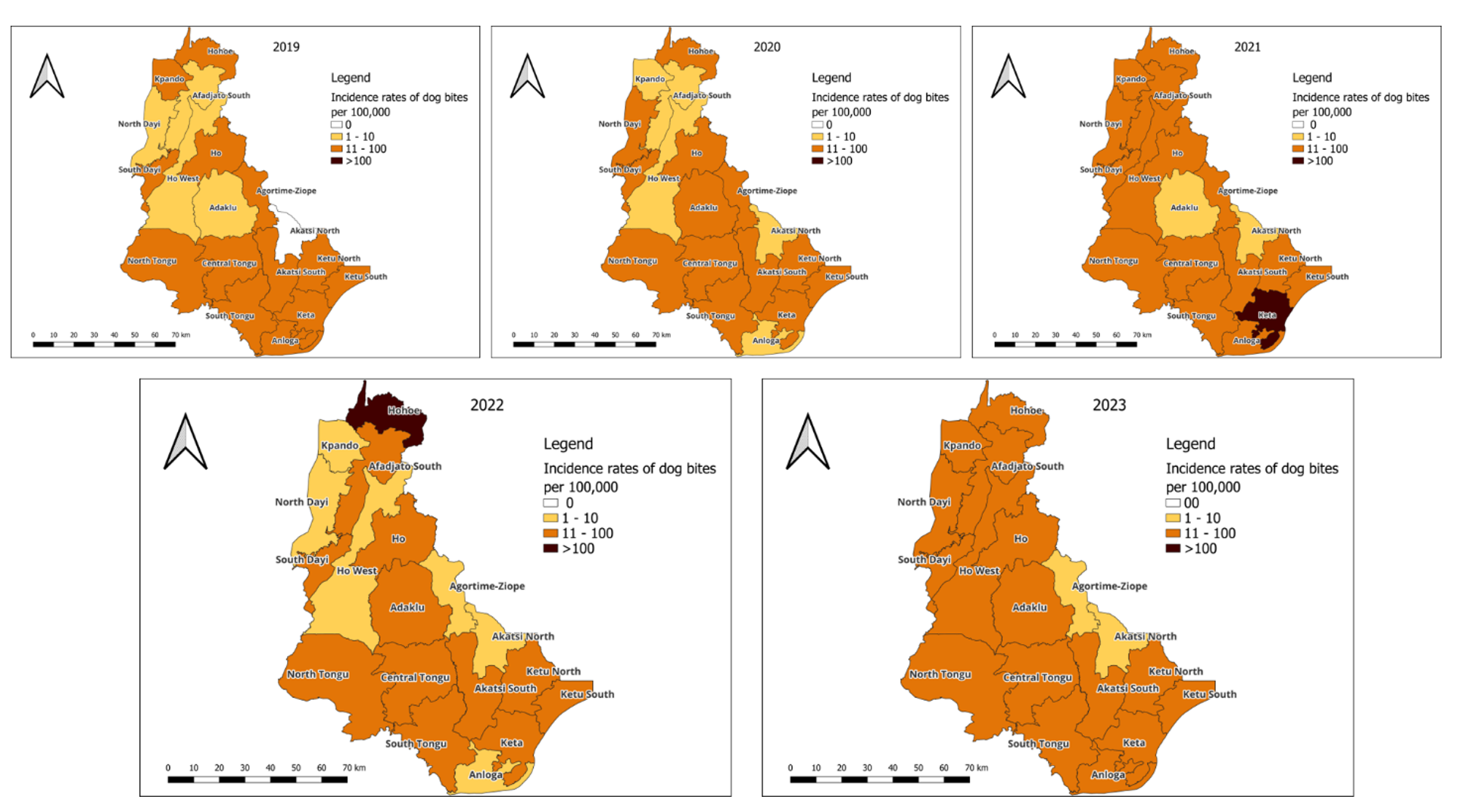
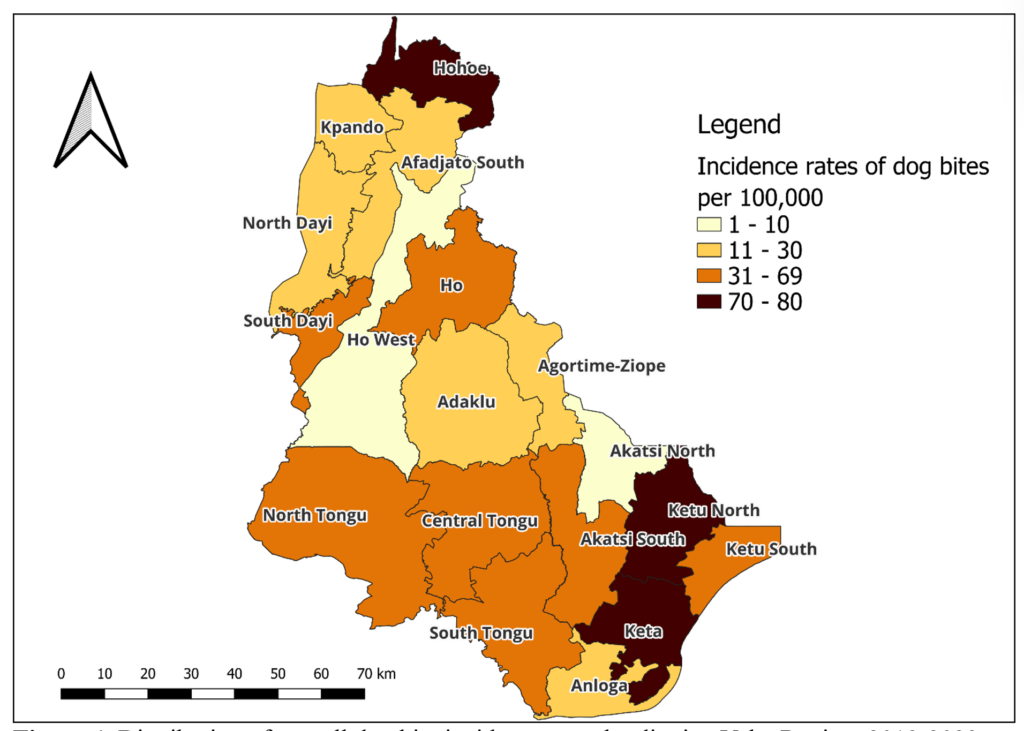
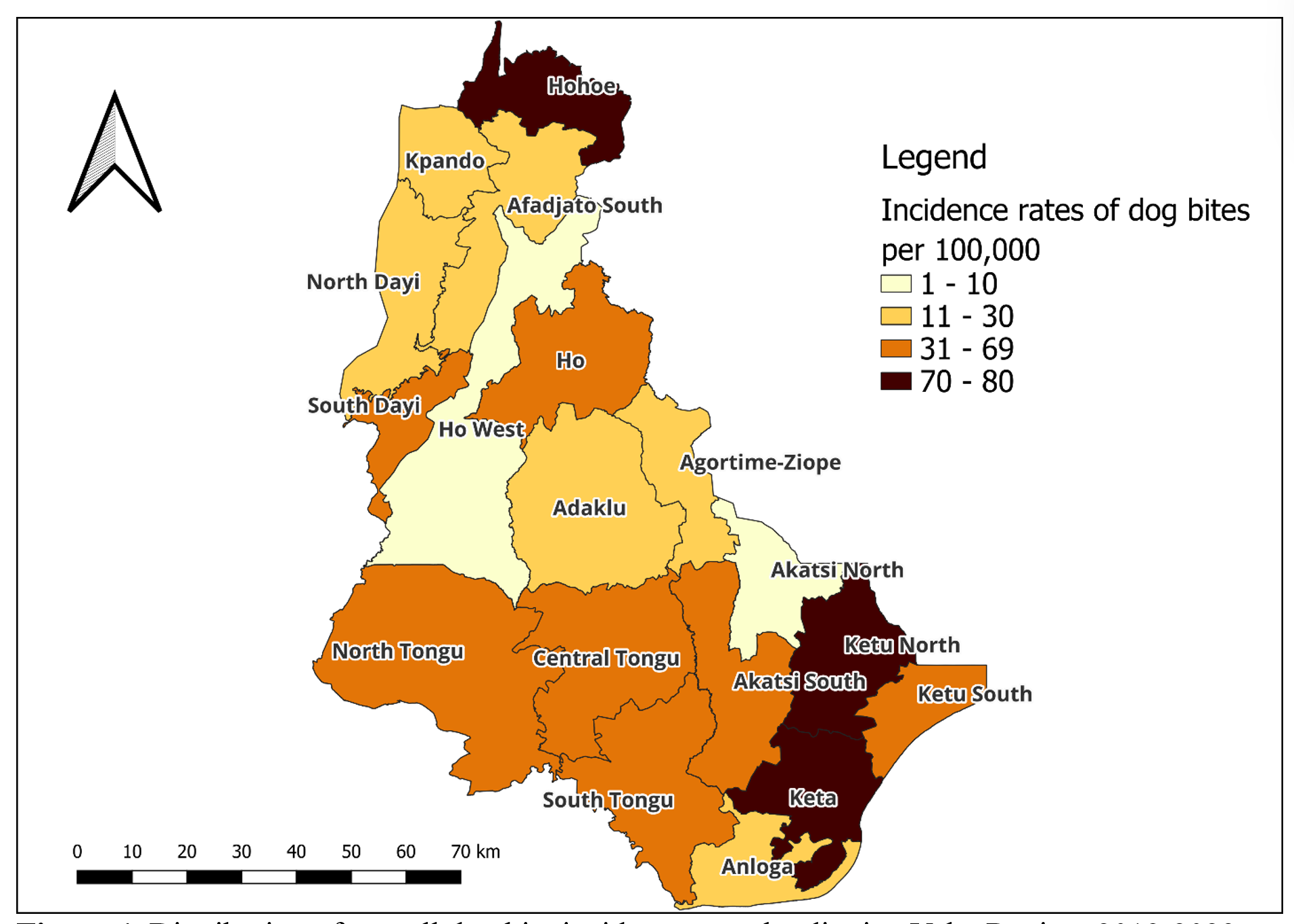
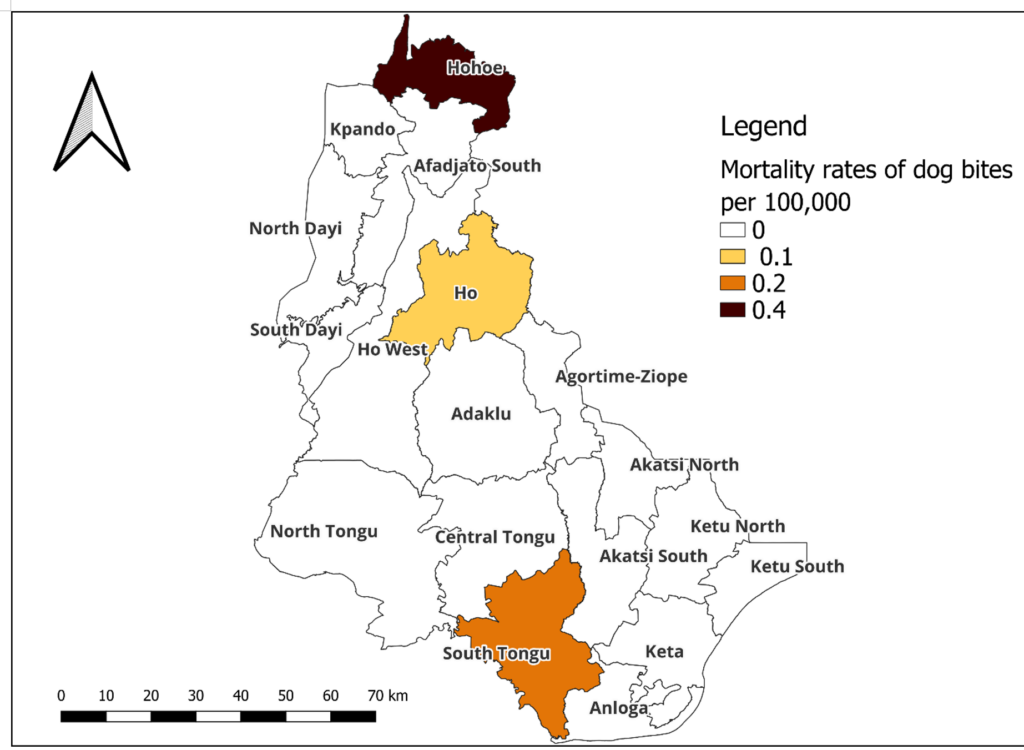
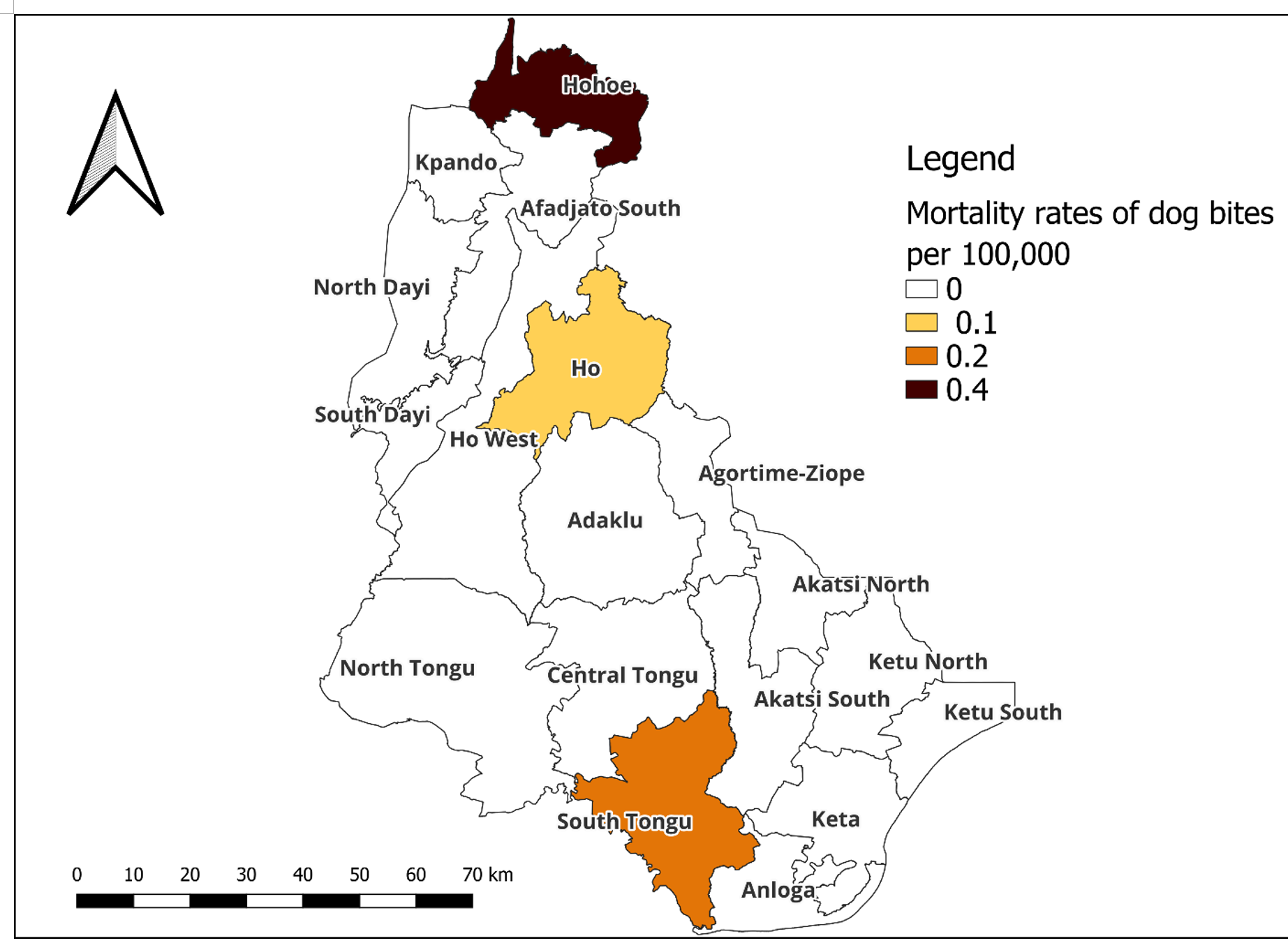
Over the five years, dog bite incidence was reported by nearly every district within the region (Figure 3). Hohoe and Keta Municipalities recorded the highest yearly incidence rate, while Keta Municipality recorded the highest overall incidence rate, 80 per 100,000 (Figure 4). Other districts with high overall incidence rates include Hohoe and Ketu North, while Akatsi North District recorded the lowest rate. Regarding the mortality rate, Hohoe Municipal recorded the highest overall mortality rate, 0.4 per 100,000 (Figure 5).
Understanding the epidemiology of dog bite injuries is important for prevention and control. We analysed five-year surveillance data (2019-2023) for dog bites and mortalities in humans to determine the incidence and distribution in the Volta Region of Ghana. This research revealed a general incidence of 41.9 dog bite cases per 100,000 population. This incidence is lower compared to the incidence reported in the Eastern Region of Ghana, 172/100,000 [17]. It is also lower than a finding of 248/100,000 from a similar study that analysed dog bite data from 2015 to 2019 in the Old Volta Region [18]. These comparisons require caution because the geographical boundaries, observation periods, population denominators, and surveillance completeness may differ. Cases increased from 2019 to 2021 and subsequently declined through 2023. The present analysis does not establish whether the differences between studies resulted from prevention activities, surveillance changes, or other factors.
The study also found that children were the most affected, with those aged 5 to 9 years being the most exposed to dog bites. Studies conducted in Korea [28], Bhutan [29], Nigeria [30] and Ghana [17] have reported similar findings. However, a study in the United States [31] reported a higher prevalence among the youth. The plausible reasons could be different for each study; culture, geography and education could be significant contributory factors. While the reasons may be speculative, children in developing countries such as Ghana spend more time outdoors than their counterparts elsewhere. They may be attacked more frequently at the park, on the way to school, and on errands, which are usually done by these kids alone. Moreover, children have inadequate knowledge about the behaviour of stray dogs and are likely to provoke a dog, making them more vulnerable to dog attacks.
Among the genders, males experienced more dog bites. This finding aligns with studies in the United States [31,32] and the United Kingdom [33]. However, inconsistent with a study in Korea [28]. The finding could not be unusual in the study area, as men tend to carry out more outdoor activities like hunting with dogs. Culturally, men are adventurous and are always put to the task of ensuring wild stray dogs are prevented from attacking people in the community. However, in the age-sex analysis, it is worth noting that females above the age of 20 years were more at risk. The Volta Region has been reported to have a high population of free-roaming dogs and suboptimal dog vaccination practices, which may contribute to the occurrence of dog bite injuries [18]. Moreover, it is well documented in the literature that women seek health care more than men. Therefore, it is more likely that women with dog bite injuries reported to health facilities for health care compared to their male counterparts, which could have accounted for the higher incidence among females. However, additional research is essential to explore the reasons for this trend, as females in modern times keep different types of pets.
Four deaths were recorded during the study period: two in 2021 and two in 2022. These deaths highlight the importance of preventing dog bite injuries and ensuring timely management. Similar mortality patterns have been reported in previous studies in the region and elsewhere in Ghana [15,17,18]. Though these are not laboratory-confirmed as rabies, factors that may contribute to poor outcomes following dog bite injuries include delayed presentation to health facilities, limited access to timely care due to geographical barriers, and the use of home-based remedies before seeking medical attention. Additionally, low uptake of routine dog vaccination campaigns and the absence of effective enforcement mechanisms for responsible dog ownership may increase the risk of dog bite incidents. Strengthening community awareness, improving access to timely clinical management, promoting responsible dog ownership, and enhancing collaboration between human and animal health sectors are essential to reducing the burden of dog bite injuries in the region.
An analysis by geographic area over the course of the five-year study period showed that dog bite incidence was reported in practically every district in the region. Districts such as Hohoe, Keta, and Ketu North recorded the largest proportion of the bites compared to the Akatsi North District. Coastal and commercial districts such as Keta and Ketu North have relatively dense settlements and busy markets, which may increase interactions between humans and free-roaming dogs. Similarly, Hohoe, a major commercial and transport hub in northern Volta, attracts high human movement that may increase exposure to stray or owned dogs. These contextual factors could partly explain the higher incidence observed, although further studies are needed to investigate district-specific determinants of dog bite injuries. In contrast, the lower incidence observed in Akatsi North may reflect a genuinely lower burden of dog bites, and fewer opportunities for human–dog contact.
Implications for policy and practice
These findings describe dog bite injuries reported to health facilities rather than all dog bite injuries occurring in the community. Differences between population groups, districts, and years may therefore reflect both injury occurrence and differences in healthcare access, care-seeking, and reporting. The outcomes of this research highlight the need for stronger public health and veterinary policies to reduce dog bite incidents in this region. The high caseload among children, particularly those aged 5 to 9 years, suggests the need for policies that support the integration of dog bite prevention and animal safety education into school health programmes and community awareness initiatives. The extensive occurrence of dog bites in practically every district also shows the need for reinforced policies on accountable dog ownership, including dog registration, stray dog control, and implementation of routine dog vaccination by veterinary establishments and the District Assemblies. Although periodic dog vaccination campaigns are organised, low patronage suggests the need for policies that improve community participation and compliance. The district disparities in incidence further suggest the need for targeted resource allocation and geographic-specific interventions in high-burden districts such as Keta, Ketu North, and Central Tongu. Policymakers should also strengthen integrated surveillance systems and promote intersectoral collaboration between health and veterinary services to improve monitoring and response to dog bite incidents.
The findings have significant implications for public health and veterinary practice. Health education and community sensitisation activities should be intensified, particularly among children, parents, and caregivers, to improve awareness about dog behaviour, prevention of dog bites, and the importance of seeking early treatment after exposure. Veterinary officers and environmental health practitioners should strengthen community-based dog vaccination exercises and stray dog control activities, especially in districts with high incidence rates. Improved community engagement strategies may help increase participation in dog vaccination campaigns.
Healthcare workers should also be trained to ensure proper management, documentation, and reporting of dog bite cases. Strengthening surveillance and data quality at health facilities and district levels would support the timely identification of trends and guide evidence-based interventions. Additionally, collaboration between veterinary services, public health practitioners, schools, and community leaders should be strengthened to implement coordinated prevention and control measures aimed at reducing dog bite injuries in the region.
Strengths and limitations
This research provides insights into the epidemiology of dog bites and mortalities among humans in the Volta Region. However, the findings of this research cannot be generalised as a reflection of what pertains in the region since some instances of dog bites may not seek health care at the health facilities. Although a regional dog population estimate is cited in the study setting, sufficiently detailed dog population records were unavailable for assessing relationships between dog numbers and reported injuries. Therefore, it may not be appropriate to relate the dog bite cases to the dog population. Furthermore, the dog bite mortalities that were recorded in this study were not laboratory-confirmed for rabies. A history of dog bite and a clinical diagnosis do not establish laboratory confirmation. Strengthening diagnostic and surveillance capacity would improve the classification of future deaths.
The incidence of dog bite injuries in the Volta Region was 41.9 out of 100,000 population. Males had a higher reported incidence than females, and children aged 5–9 years had the highest age-specific incidence. Hohoe and Keta Municipalities recorded the highest burden of dog bite cases, while Akatsi North District recorded the lowest. These findings highlight the necessity of focused community and school-based prevention education, encouragement of responsible dog ownership, increased dog bite surveillance, and enhanced availability of prompt post-exposure prophylaxis, in addition to improved management of dog bite injuries, to reduce mortality among humans in the Volta Region. However, further research will be needed to determine the risk factors for dog bite injuries in the region.
What is already known about the topic
What this study adds
The authors are grateful to the District Health Directorates and heads of health facilities in the region for the data collection and entry into the DHIMS database. We are also thankful to the Volta Regional Health Directorate for the permission to use the data for the study.
Abbreviations
CHPS: Community-based Health Planning and Services
CI: Confidence Interval
DHIMS: District Health Information Management System
DHIS: District Health Information System
GHS: Ghana Health Service
GSS: Ghana Statistical Service
HICs: High-Income Countries
MoH: Ministry of Health
OPD: Outpatient Department
QGIS: Quantum Geographic Information System
IRR: Incidence Rate Ratio
VSD: Veterinary Service Department
WHO: World Health Organization
Conceptualization: Chrysantus Kubio, Williams Asumah Abanga, Joseph Yaw Jerela, Maxwell Afetor
Methodology: Chrysantus Kubio, Williams Asumah Abanga, Joseph Yaw Jerela, Maxwell Afetor
Data Curation: Chrysantus Kubio, Williams Asumah Abanga, Joseph Yaw Jerela, Maxwell Afetor
Formal Analysis: Chrysantus Kubio, Williams Asumah Abanga
Investigation:
Funding Acquisition:
Project Administration: Chrysantus Kubio, Williams Asumah Abanga
Supervision: Chrysantus Kubio, Williams Asumah Abanga
Writing – Original Draft: Chrysantus Kubio, Williams Asumah Abanga, Maxwell Afetor, Victor Zeng, Frank Baiden
Writing – Review & Editing: Chrysantus Kubio, Williams Asumah Abanga, Maxwell Afetor, Victor Zeng, Farouk Umar Saeed, Frank Baiden
| Variable | Study population | Dog bites | Deaths | |||
|---|---|---|---|---|---|---|
| Cases | IRR (95% CI) | Number [N=4] | Mortality rate per 100,000 (95% CI) | |||
| Number [N=3,619] | Incidence/100,000 (95% CI) | |||||
| Sex | ||||||
| Male | 4,146,660 | 1,911 | 46.1 (44.0-48.2) | Ref | 3 | 0.07 (0.01-0.21) |
| Female | 4,492,214 | 1,708 | 38.0 (36.2-39.9) | 0.82 (0.77-0.88) | 1 | 0.02 (0.00-0.08) |
| Age group (years) | ||||||
| 0-4 | 958,915 | 440 | 45.9 (41.7-50.4) | Ref | 0 | – |
| 5-9 | 1,028,026 | 689 | 67.0 (62.1-72.2) | 1.46 (1.30-1.65) | 0 | – |
| 10-14 | 967,554 | 469 | 48.5 (44.2-53.1) | 1.06 (0.93-1.20) | 3 | 0.31 (0.06-0.91) |
| 15-17 | 613,359 | 182 | 29.7 (25.5-34.3) | 0.65 (0.54-0.77) | 0 | – |
| 18-19 | 371,472 | 127 | 34.2 (28.5-40.7) | 0.75 (0.61-0.91) | 0 | – |
| 20-34 | 1,969,663 | 587 | 29.8 (27.4-32.3) | 0.65 (0.57-0.73) | 0 | – |
| 35-49 | 1,339,026 | 476 | 35.5 (32.4-38.9) | 0.77 (0.68-0.88) | 1 | 0.07 (0.00-0.42) |
| 50-59 | 587,444 | 272 | 46.3 (41.0-52.1) | 1.01 (0.87-1.17) | 0 | – |
| 60-69 | 423,305 | 204 | 48.2 (41.8-55.3) | 1.05 (0.89-1.24) | 0 | – |
| 70+ | 380,110 | 173 | 45.5 (39.0-52.8) | 0.99 (0.83-1.18) | 0 | – |
| Year | ||||||
| 2019 | 1,792,483 | 693 | 38.7 (35.8-41.7) | Ref | 0 | – |
| 2020 | 1,832,999 | 735 | 40.1 (37.3-43.1) | 1.04 (0.93-1.15) | 0 | – |
| 2021 | 1,636,779 | 793 | 48.4 (45.1-51.9) | 1.25 (1.13-1.39) | 2 | 0.12 (0.01-0.44) |
| 2022 | 1,670,764 | 729 | 43.6 (40.5-46.9) | 1.13 (1.02-1.25) | 2 | 0.12 (0.01-0.43) |
| 2023 | 1,705,849 | 669 | 39.2 (36.3-42.3) | 1.01 (0.91-1.13) | 0 | – |
| Total | 8,638,874 | 3,619 | 41.9 (40.5-43.3) | – | 4 | 0.05 (0.01-0.12) |