
Research | Open Access | Volume 9 (Suppl 12): Article 09 | Published: 28 Jul 2026

Views: 927
Menu, Tables and Figures
| Components | Score (%) | Performance Level |
|---|---|---|
| Structure | 42.6 | Poor |
| Process | 52.8 | Poor |
| Outcome | 19.9 | Poor |
| Overall Surveillance Performance | 38.5 | Poor |
Table 1: Overall Performance of the Dengue Surveillance System in the Golfe Health District, 2024 (Scores achieved)
Essy Gracia Agnegue1,2,3,&, Christelle Sophie Djecko1, Ruth Damou Diarra1, Hodalo Prisca Talboussouma2, Zoulkarneiri Issa4, Vovolité Koffi Agbetiafa2, Kourkou Kpante5, Cheick Abou Coulibaly1, Fatou Diawara1, Ilo Dicko1, Souleymane Diarra1, Essi Gloria Amevor1, Seydou Doumbia1
1Department of Teaching and Research in Public Health and Specialities, Faculty of Health Sciences, University of Bamako, Mali, 2Regional Directorate of Health and Public Hygiene, Greater Lomé Region, Togo, 3Sylvanus Olympio University Hospital Centre, Lomé, Togo, 4National Institute of Hygiene, Lomé, Togo, 5Division of Integrated Surveillance for Health Emergencies and Responses, Lomé, Togo
&Corresponding author: Essy Gracia Agnegue, Regional Directorate of Health and Public Hygiene, Greater Lomé Region, Togo, Email: sagnegue@gmail.com ORCID: https://orcid.org/0009-0006-5931-3855
Received: 10 Oct 2025, Accepted: 26 Jul 2026, Published: 28 Jul 2026
Domain: Infectious Disease Epidemiology
Keywords: Dengue, Surveillance system, Performance evaluation, Integrated Disease Surveillance and Response, Public health surveillance, Togo
©Essy Gracia Agnegue et al. Journal of Interventional Epidemiology and Public Health (ISSN: 2664-2824). This is an Open Access article distributed under the terms of the Creative Commons Attribution International 4.0 License (https://creativecommons.org/licenses/by/4.0/), which permits unrestricted use, distribution, and reproduction in any medium, provided the original work is properly cited.
Cite this article: Essy Gracia Agnegue et al., Dengue epidemiological surveillance in the Golfe Health District, Togo: A performance evaluation following the 2024 outbreak. Journal of Interventional Epidemiology and Public Health. 2026; 9(Suppl 12):09. https://doi.org/10.37432/jieph-d-25-00232
Introduction: Dengue is a mosquito-borne viral disease that has emerged as a growing public health concern in West Africa. The 2024 dengue outbreak in Togo highlighted important weaknesses in epidemiological surveillance, particularly at the district level. This study evaluated the performance of dengue epidemiological surveillance in the Golfe Health District (HD) in 2024.
Methods: A mixed-methods study was conducted from August 2024 to April 2025 to evaluate the dengue surveillance system in the Golfe HD. Data were collected from all health facilities in the district and from key surveillance stakeholders. Surveillance performance was assessed across three components: structure, process, and outcomes, using a standardised performance evaluation framework.
Results: The overall performance score of the dengue surveillance system was 38.5%, indicating poor performance. The structure, process, and outcome components achieved scores of 42.6%, 52.8%, and 19.9%, respectively. Major weaknesses included the absence of epidemic thresholds and displayed dengue case definitions, insufficiently trained personnel (7.4%), weak feedback mechanisms (22.2%), limited response capacity (22.2%), and the lack of dedicated financial resources. However, case detection (96.3%), laboratory confirmation (96.3%), notification (85.2%), and supervision (100%) showed satisfactory performance.
Conclusion: Dengue epidemiological surveillance in the Golfe Health District showed poor overall performance following the 2024 outbreak. Strengthening staff training, improving feedback mechanisms, enhancing coordination among surveillance actors, and ensuring dedicated financial resources are essential to improve dengue surveillance and outbreak preparedness in Togo.
Dengue fever is an acute viral disease transmitted to humans through the bite of infected Aedes mosquitoes and has emerged as a major public health challenge in tropical and subtropical regions [1,2]. In recent years, the global burden of dengue has increased substantially, with recurrent outbreaks placing additional strain on already fragile health systems in low- and middle-income countries [3,4].
In West Africa, dengue has historically been under-recognised and under-reported, largely due to limited diagnostic capacity and the frequent clinical confusion with other febrile illnesses, particularly malaria [5,6]. However, recent outbreaks reported in Burkina Faso, Côte d’Ivoire, and Ghana indicate increasing circulation of the dengue virus in the region [7]. In Togo, the large outbreak reported in 2024 marked a turning point, drawing national attention to dengue as an emerging public health threat [6]. Epidemiological bulletins documented a high number of suspected and confirmed cases, with the Golfe HD accounting for a substantial proportion of reported infections [6].
The Golfe HD, located in the Greater Lomé region, is the most densely populated district in the country [6]. Its urban environment, high population mobility, and environmental conditions favourable to Aedes mosquito proliferation increase the risk of dengue transmission [6]. Despite these vulnerabilities, evidence on the performance of dengue epidemiological surveillance at the district level in Togo remains limited [6].
Epidemiological surveillance is a cornerstone of dengue prevention and control, enabling early detection of cases, monitoring of transmission trends, and timely public health response [7]. In the African region, dengue surveillance is integrated into the Integrated Disease Surveillance and Response (IDSR) framework [7]. Nevertheless, previous studies in Togo and neighbouring countries have highlighted persistent challenges, including limited training of health workers, inadequate financial resources, weak laboratory capacity, and suboptimal feedback mechanisms [8].
Although earlier research in Togo has documented healthcare workers’ knowledge, attitudes, and practices regarding dengue, as well as the circulation of the virus among febrile patients, these studies did not assess the operational performance of the surveillance system itself [9,10]. In particular, there is a lack of empirical evidence on whether existing surveillance structures, processes, and outputs are sufficient to support effective outbreak detection and response.
This study therefore evaluated the performance of dengue epidemiological surveillance in the Golfe HD following the 2024 outbreak. By assessing structural, process, and outcome components of the surveillance system and exploring stakeholders’ perceptions, this research aims to generate actionable evidence to strengthen dengue surveillance and epidemic preparedness in Togo.
Study design and setting
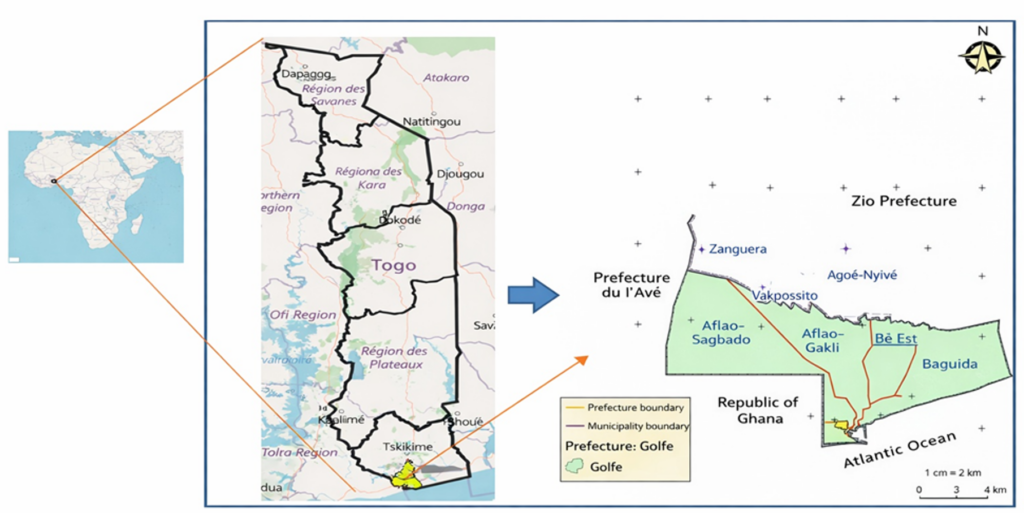
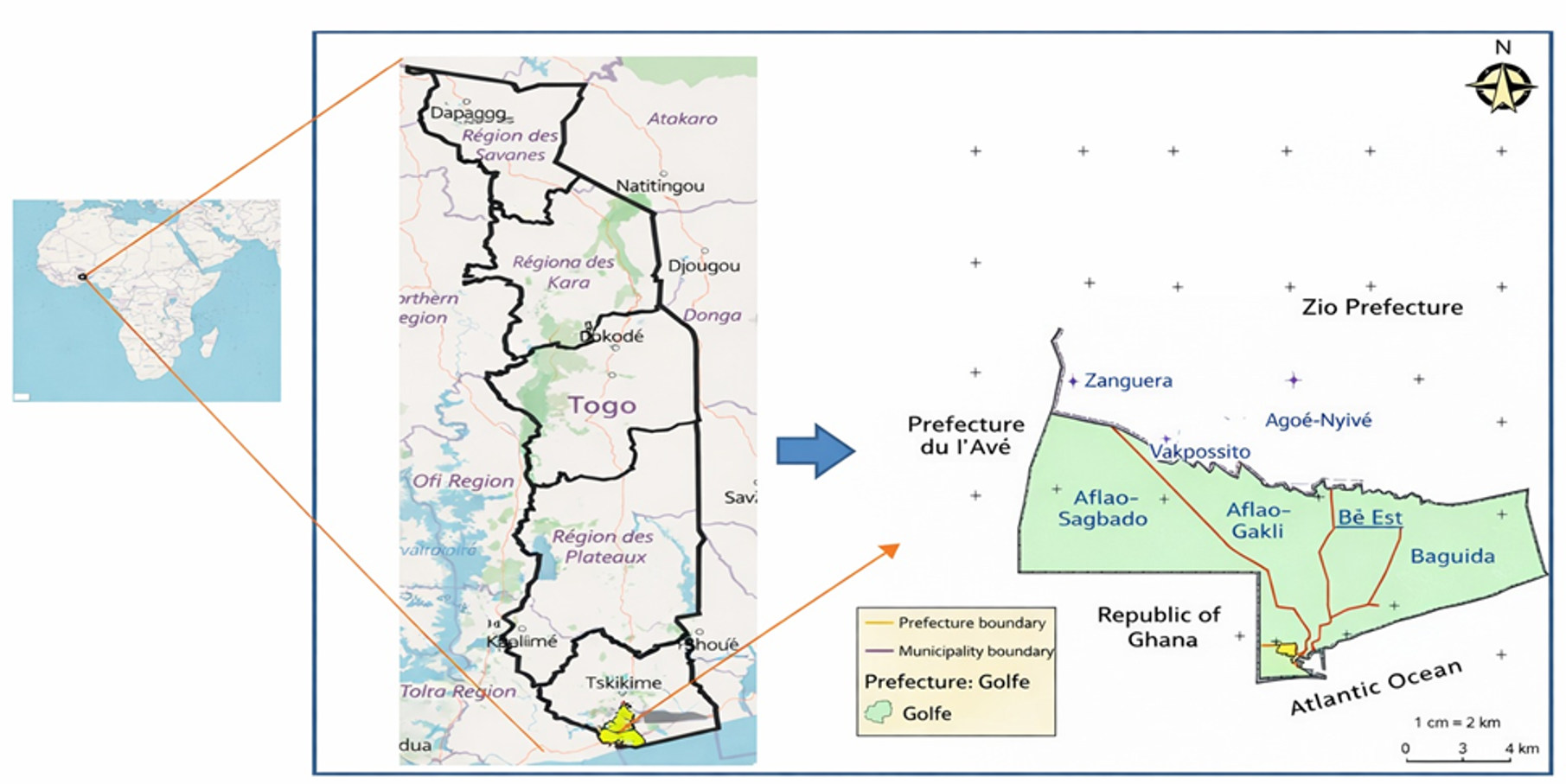
This study was a cross-sectional surveillance system evaluation using a mixed-methods approach (quantitative and qualitative). It was conducted in the Golfe Health District, located in the Greater Lomé health region in southern Togo (Figure 1). The district is the most densely populated in the country and comprises 27 health facilities [6], all of which were included in the evaluation, resulting in complete facility coverage. The study period extended from August 2024 to April 2025, during which data collection was conducted from November 18, 2024, to January 17, 2025.
Study population
The study population consisted of all 27 health facilities in the Golfe HD; surveillance data from dengue notification forms and surveillance databases available at district and facility levels; key stakeholders involved in epidemiological surveillance, including Integrated Disease Surveillance and Response (IDSR) officers, district health managers, and laboratory personnel. Health facilities and individuals were included if they were involved in dengue surveillance activities within the Golfe Health District during the study period and agreed to participate. Individuals were excluded if they were unavailable at the time of data collection or declined to participate.
Data collection
Data were collected using three complementary techniques: document review, including dengue notification forms, surveillance databases, and routine surveillance reports; direct observation of physical resources, information tools and organisational arrangements using a standardised observation checklist; and questionnaire-based interviews with health workers and surveillance officers involved in dengue surveillance activities.
Data collection tools were pre-tested in a health facility not included in the study to ensure clarity and consistency. Laboratory data were not reviewed separately because all laboratory-confirmed dengue cases had already been integrated into the district surveillance databases and notification forms used for the evaluation. Therefore, laboratory confirmation was assessed through the surveillance records available at the district level.
Surveillance system evaluation framework
The performance of dengue epidemiological surveillance was assessed using Donabedian’s conceptual framework [11], which evaluates health system performance across three components: structure, process, and outcomes. This framework has been widely used in health systems and surveillance evaluations, including evaluations of Integrated Disease Surveillance and Response systems in Benin [12].
Each component was operationalised as follows:
For the structure component, indicators were assessed through direct observation and document review. The availability of surveillance guidelines, case definitions, epidemic thresholds, trained personnel, equipment, and financial resources was verified at each health facility.
For the process component, performance was assessed using surveillance records, notification forms, supervision reports, and interviews with surveillance personnel. Indicators included case detection, reporting, laboratory confirmation, data analysis, response activities, feedback, supervision, and staff training.
For the outcome component, usefulness, acceptability, simplicity, and completeness were assessed through interviews with surveillance stakeholders and review of surveillance records. These indicators reflected stakeholders’ perceptions of the system and the quality of reported surveillance data.
Each indicator contributed equally to the final score. Indicators were coded as 1 when present or satisfactory and 0 when absent or unsatisfactory. Component scores were calculated as the percentage of indicators meeting the expected standard. The overall surveillance performance score corresponded to the average of the structure, process and outcome component scores. Performance scores were interpreted according to the Varkevisser evaluation scale commonly used in health systems assessments. The Varkevisser evaluation scale was used to classify surveillance performance. Scores ≥80% indicated good performance, 60–79% moderate performance, and <60% poor performance. The overall performance score was calculated by summing the scores obtained for each indicator and dividing by the maximum obtainable score. Process indicators were assessed using surveillance records, notification forms, supervision reports, and interviews with surveillance personnel. Detection was considered satisfactory when suspected dengue cases were identified and recorded according to national surveillance guidelines. Notification was assessed based on the completeness and timeliness of reporting. Laboratory confirmation was evaluated according to the availability and use of confirmatory testing. Response was assessed through the existence of outbreak investigation and control activities. Feedback was evaluated based on the provision of routine surveillance feedback from higher to lower levels. Supervision and training were assessed through documented supervisory visits and training activities conducted during the previous 12 months.
Qualitative data collection
Qualitative data were collected through semi-structured interviews with key surveillance stakeholders to explore perceived facilitators and barriers to dengue epidemiological surveillance. A total of 15 key informants, including surveillance officers, district health managers, and laboratory personnel, were interviewed. Interviews were conducted until thematic saturation was reached, meaning that no new relevant information emerged from subsequent interviews.
Data analysis
Quantitative data were entered using KoboCollect and exported to Microsoft Excel 2016 before analysis with R software (version 4.1.3). Descriptive statistics were used to summarise surveillance performance. Radar charts were used to illustrate performance across components. Qualitative data were transcribed verbatim and analysed thematically using NVivo version 14, following an inductive coding approach.
Ethical considerations
The study protocol was approved by the Ethics Committee of the Faculty of Health Sciences and authorised by the Togolese Ministry of Health and Public Hygiene. Administrative authorisation was obtained from the Golfe Health District. Written informed consent was obtained from all participants prior to data collection. Confidentiality and anonymity were strictly respected.
Sample description
All 27 health facilities in the HD were evaluated. In addition, notification forms for 133 laboratory-confirmed dengue cases were retrieved from these health facilities in the Golfe Health District and were used to describe the epidemiological characteristics of confirmed dengue cases captured by the surveillance system. Fifteen stakeholders in epidemiological surveillance were interviewed. The average age of the IDSR officers was 38.7 ± 7.14 years, ranging from 22 to 53 years. The 30-39-year age group was the most represented (61.1%). Nearly half of those surveyed had between 1 and 5 years of professional experience.
Assessment of the “Structure” component
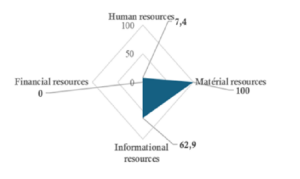
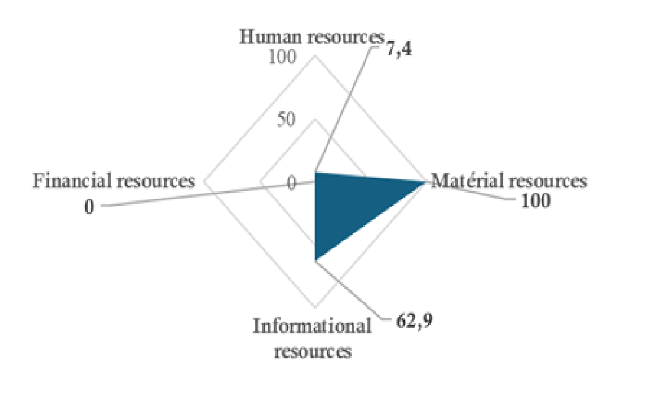
The structural component achieved a score of 42.6%, indicating poor performance. There was an official list of diseases under surveillance and a technical guideline for dengue surveillance available in all health facilities in the Golfe Health District. The evaluation identified the absence of epidemic and alert thresholds, as well as a lack of displayed dengue case definitions. No health facility had financial resources dedicated to IDSR and dengue surveillance at the time of the assessment. Of the 27 health facilities, only 2/27 (7.4%) had IDSR officers who had been trained in epidemiological surveillance in the last 12 months. None of the health facilities had epidemic thresholds or displayed dengue case definitions available at the time of the evaluation. (Figure 2).
Assessment of the “Process” component
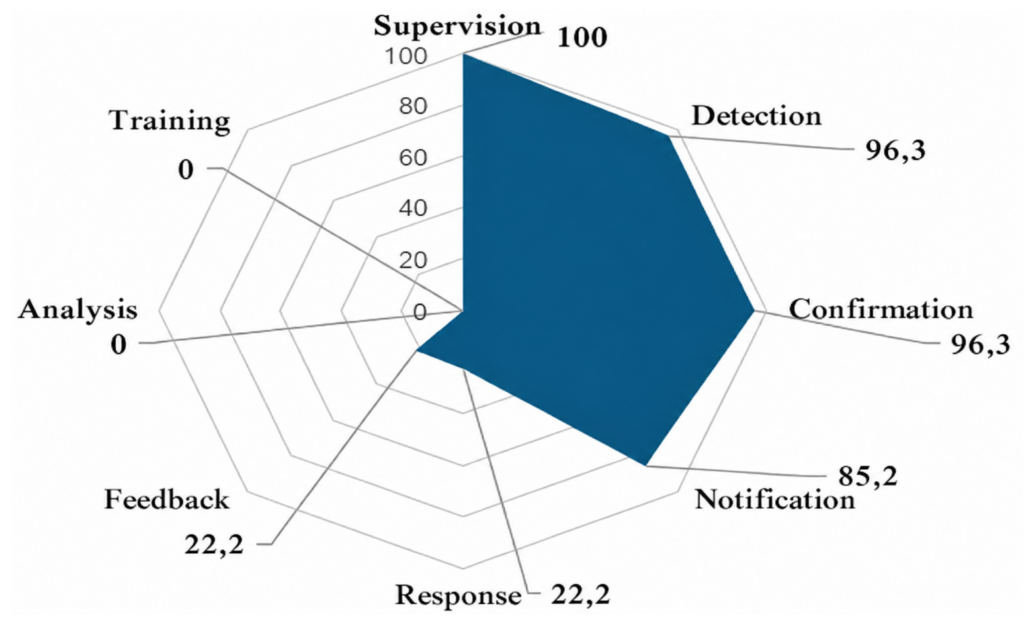
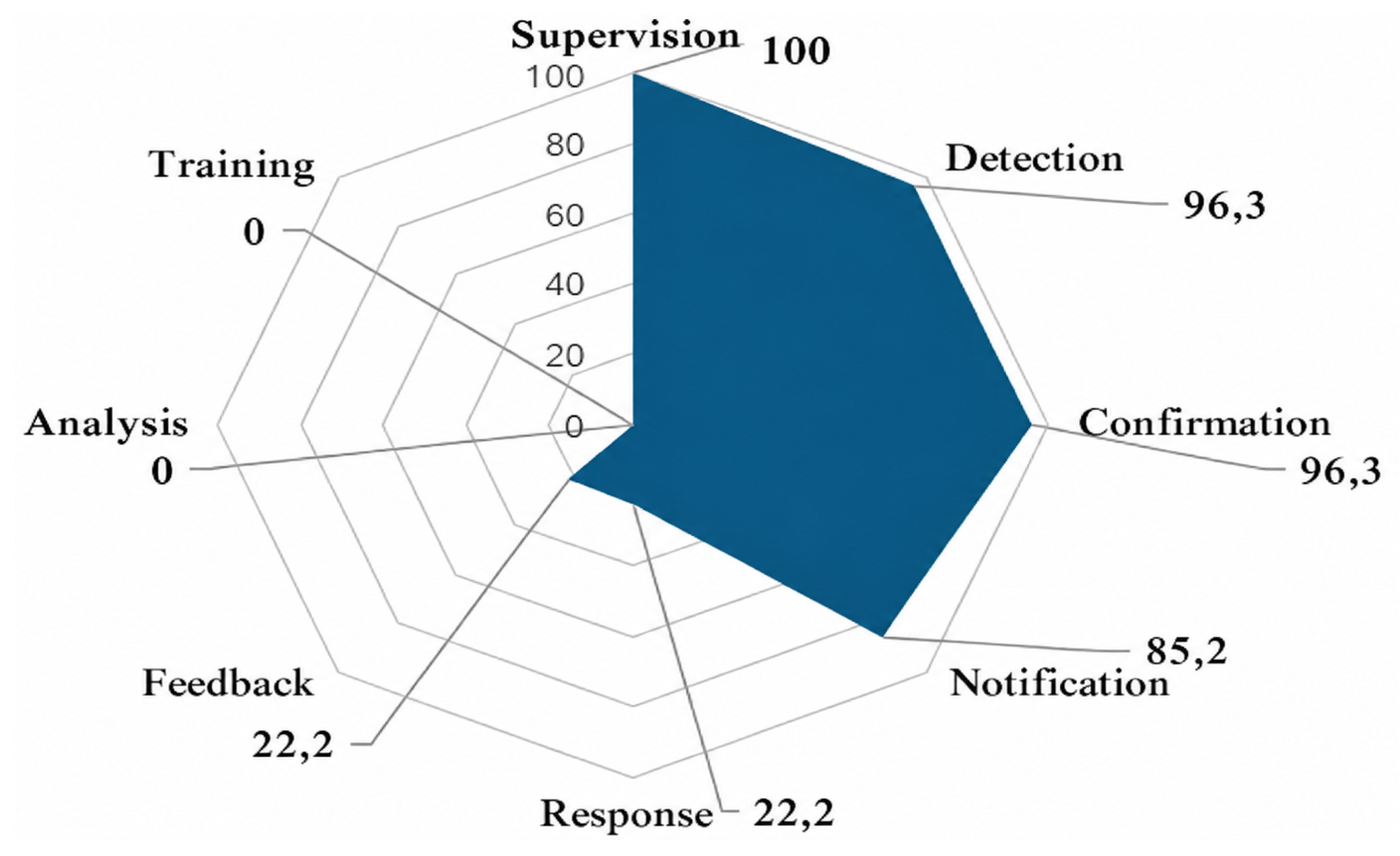
High scores were observed for the functions of supervision, detection, confirmation, and notification, with 100.0%, 96.3%, 96.3%, and 85.2%, respectively. However, very low scores were observed for response and feedback, with 22.2% and 22.2%, respectively. The process component achieved an overall score of 52.8%, indicating poor performance (Figure 3).
Assessment of the Outcome component
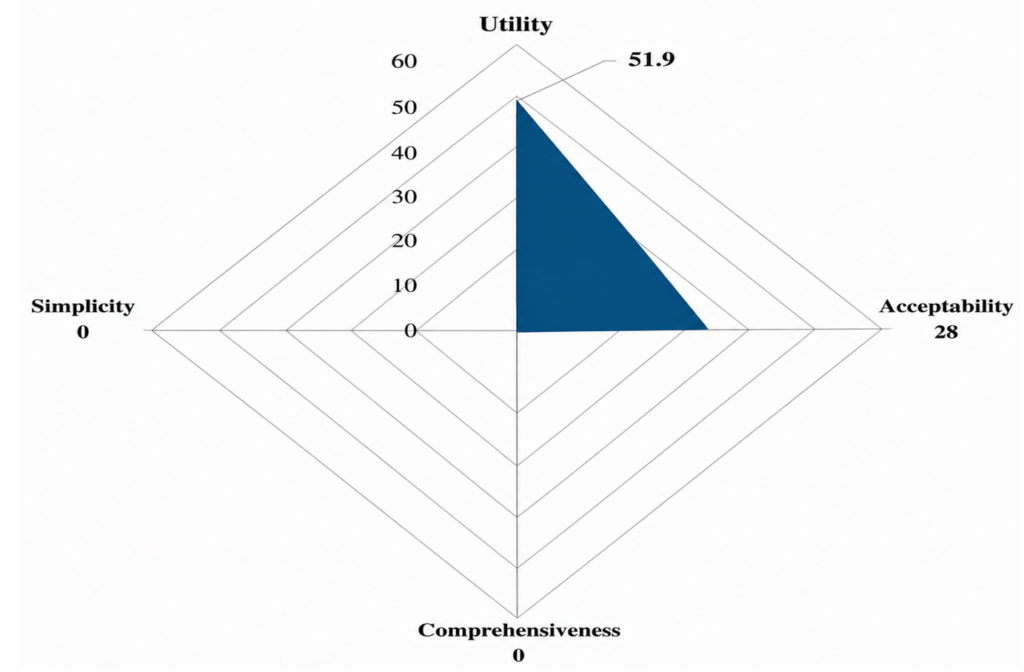
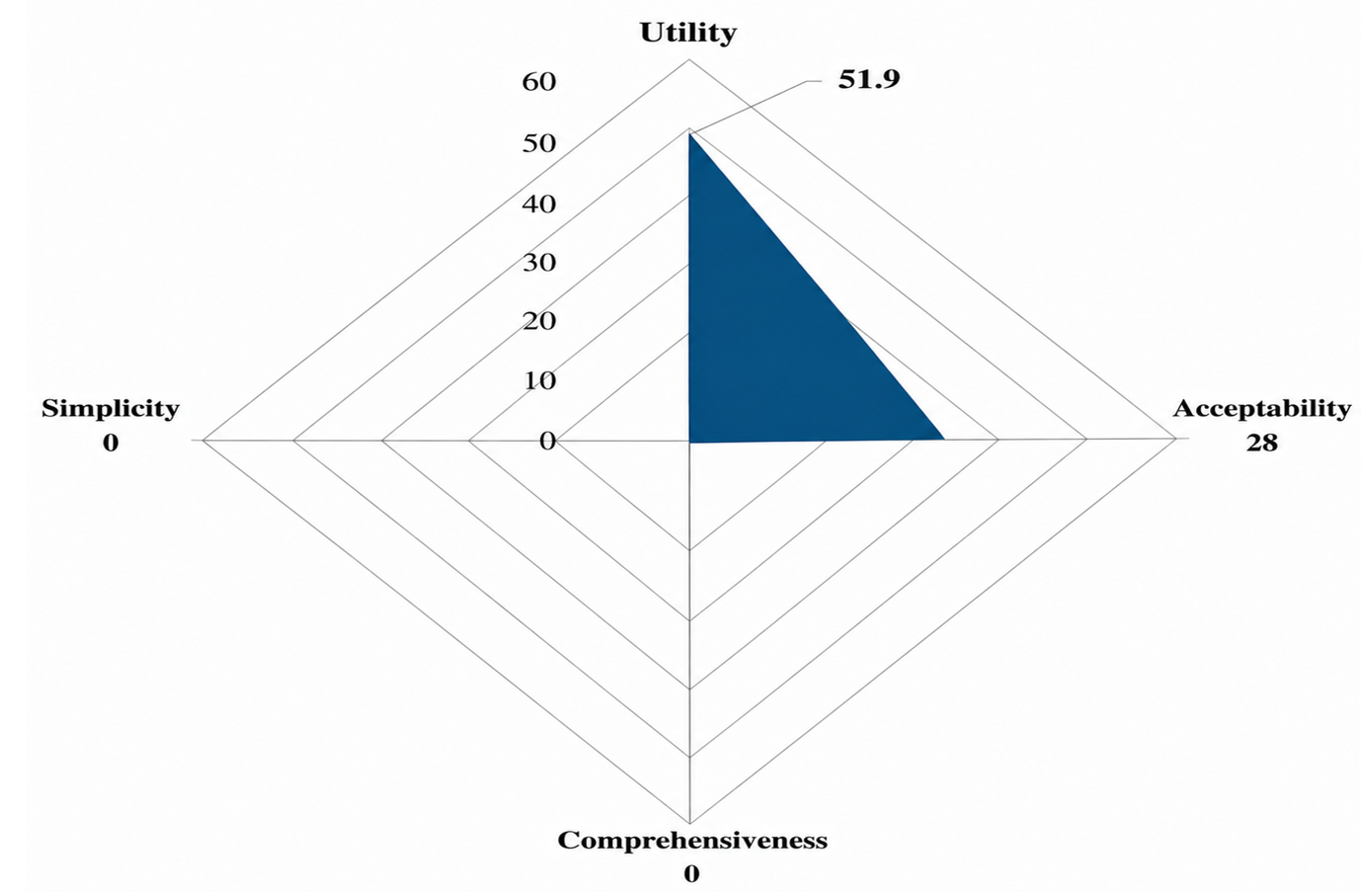
More than half of the IDSR officers (51.9%) considered the surveillance system useful, while 28.0% reported limited participation of the private sector, reflecting low acceptability. Simplicity and completeness indicators showed very low performance scores. Overall, the outcome component achieved a score of 19.9%, indicating poor performance (Figure 4).
Assessment of the overall evaluation score
The dengue surveillance system achieved an overall performance score of 38.5%, indicating poor performance. The structure, process, and outcome components achieved scores of 42.6%, 52.8%, and 19.9%, respectively (Table 1).
Facilitators for the implementation of epidemiological surveillance of dengue
During the interviews, several factors facilitating epidemiological surveillance of dengue were identified. These factors, perceived as important enablers, include the involvement of community workers. The following quotes illustrate these perceptions.
“The involvement of community workers is essential to strengthen the fight against dengue. They are in direct contact with the population and facilitate awareness of preventive measures, such as the elimination of larval breeding sites. For example, during a recent campaign, their presence made it possible to better explain to residents how to identify and remove stagnant water. Thanks to them, our actions are more effective and better accepted by the community.” (CS02)
” Community health workers were identified as key stakeholders in dengue surveillance. Their proximity to the population facilitates risk communication, early identification of suspected cases, and promotion of preventive measures such as the elimination of mosquito breeding sites. Their involvement contributed to improved community acceptance of control activities and enhanced the effectiveness of field interventions.” (CS05)
Key stakeholders also expressed strong views on the importance of a structured surveillance system, emphasizing how effective data collection and optimal coordination strengthen their ability to detect and prevent dengue epidemics. The following comments illustrate this point:
“A well-structured surveillance system is essential for our fight against dengue. Through organized data collection, we can quickly identify areas at risk and mobilize the necessary resources to respond effectively. This improves our ability to prevent epidemics.” (CS07)
“The establishment of a robust surveillance system allows us to monitor the evolution of dengue cases in real time. This helps us not only to detect outbreaks, but also to raise community awareness about preventive measures. Good coordination between the different levels of health care is essential to optimize our efforts.” (CS09) Finally, health workers emphasize the crucial importance of support from technical and financial partners in implementing dengue control measures, highlighting how this support strengthens their capacity for action and intervention. Here are a few quotes to illustrate this point:
“Support from technical and financial partners is crucial. Thanks to their resources, we have been able to organize awareness campaigns and provide treatment to patients. Without their support, it would be difficult to carry out our actions against dengue.” (CS12)
“Partners play a key role in our fight against dengue. Their expertise helps us improve our surveillance strategies and train our staff. Their commitment gives us access to the funds and tools we need to respond effectively to this disease.” (CS14)
Barriers to implementing epidemiological surveillance for dengue
During interviews with epidemiological surveillance stakeholders, several major challenges were identified. Difficult working conditions and a lack of recognition affect the motivation of health workers, which complicates the fight against dengue. The following excerpts illustrate the perceptions and concerns expressed by respondents: “The lack of motivation among health workers greatly complicates the fight against dengue. Many colleagues feel exhausted and demotivated because of difficult working conditions: lack of equipment, excessive workload, and lack of recognition. For example, when we run awareness campaigns, some people are reluctant to get fully involved because they know that there are not enough resources for proper follow-up. Without encouragement or incentives, it is difficult to maintain the motivation needed for effective action in the field.” (CS01)
“With an ever-increasing workload and salaries that are not keeping pace, it is normal for healthcare workers’ motivation to decline. We are asked to be on the front line against dengue fever, to provide prevention, care, and
follow-up, but without additional resources or support. For example, after a long day at the hospital, it is difficult for some to devote time to community outreach. If working conditions do not improve, the commitment of the teams is likely to decline even further, and this will directly impact the effectiveness of actions against dengue.” (CS03)
Health workers also emphasize the importance of continuing education to improve dengue prevention and management. Furthermore, the lack of continuing education limits the effectiveness of health workers in the fight against dengue. These perceptions are also reflected in the following statements:
“The lack of continuing education prevents us from taking effective action against dengue. We often have to make do with the knowledge we already have, but protocols are evolving, and we are not always informed of the latest recommendations. For example, some colleagues do not know exactly how to recognize the warning signs of a severe form of the disease, which can delay treatment and put patients at risk. Without regular training, we risk not applying best practices and wasting precious time.” (CS03)
“We are asked to be on the front line against dengue fever, but without continuing education, it is difficult to do our job properly. Control methods, treatments, and awareness strategies are changing, but if we are not trained, how can we apply them correctly? For example, we know that eliminating breeding sites is essential, but without training on new mosquito control techniques or on communicating with the population, our interventions remain limited. This lack of training creates a real gap between recommendations and the reality on the ground.” (CS08)
The lack of an allocated budget is also listed as an obstacle to the implementation of epidemiological surveillance of dengue. Without sufficient financial resources, actions to combat dengue remain limited. These perceptions clearly demonstrate this:
“Without a dedicated budget, our actions against dengue remain insufficient. We are asked to educate the population, monitor cases, and intervene quickly, but with what resources? For example, we often lack insecticides for mosquito control campaigns, and without equipment, it is impossible to effectively control the spread of mosquitoes. If adequate funding is not provided, our efforts remain limited and the disease continues to spread.” (CS04)
“The lack of budget is a real obstacle to the fight against dengue fever. We have the knowledge and the will to act, but without funding, we cannot go into the field as we should. For example, teams lack fuel to travel to affected areas, and awareness campaigns cannot be carried out on a large scale due to a lack of equipment. Without an adequate budget, prevention and treatment remain insufficient, and each season we find ourselves overwhelmed by the increase in cases.” (CS06)
During our interviews, participants identified the lack of multisectoral collaboration as an obstacle to the fight against dengue. The fight against dengue requires the involvement of several sectors, but the lack of coordination hinders its effectiveness. These comments illustrate this well:
“The fight against dengue fever cannot rely solely on health workers. Without effective collaboration with other sectors, our efforts remain limited. For example, we raise awareness among the population about eliminating breeding sites, but if municipal services do not manage waste or sanitation properly, mosquitoes will continue to proliferate. We need real collaboration between health, environment, and local communities for our actions to have a real impact.” (CS10)
“The lack of coordination between the different actors makes our work more difficult. We are making efforts to treat and prevent dengue, but if education, the environment, and local communities are not involved, it doesn’t work. For example, we can distribute mosquito nets and provide advice on prevention, but if schools and communities do not relay these messages, the information does not reach everyone. Without a multisectoral approach, the fight against dengue remains ineffective and fragmented.” (CS15)
A key strength of this study is the fact that it is one of the first studies to examine the performance of dengue surveillance in a post-epidemic context. The epidemiological approach takes a systematic approach to dengue surveillance, combining quantitative and qualitative analyses of key surveillance actors.
The low score recorded by our study in terms of resources is an obstacle to the implementation of IDSR and dengue surveillance activities. Other studies by LyM et al in Madagascar [13] and Rumisha et al [14] have recorded similar findings regarding the limited availability of informational, financial, material, and human resources for implementation, as revealed by other authors who have evaluated IDSR. In a study in Ghana, Adokiya et al [15] reveal that staff transfers and regular turnover affect the implementation of IDSR. This is plausible because, given that a new employee assigned to a position, if not previously trained in IDSR, will need time to adapt, despite their good intentions. The lack of a budget also affects IDSR activities because without a clear budget, it is difficult to plan for the long term, which can lead to reactive rather than proactive interventions (awareness-raising, field trips), affecting the motivation of staff involved in IDSR. If resources are limited, staff may be overworked, which can lead to feelings of frustration and demotivation [16].
In our study, the process component also scored low at 52.8% compared to the average score in the study conducted in Benin by Mongbo et al [17]. A study conducted in Senegal by Diallo et al [18] revealed similar challenges in terms of the availability of surveillance tools, with notification coverage below 60%. The Golfe HD has shortcomings in terms of response and feedback. Delayed or poorly coordinated responses to epidemiological alerts can limit the ability of IDSR systems to contain transmission, and poor feedback leads to a lack of follow-up on reported cases and delays in decision-making [19].
In our study, fever was the most frequently reported symptom, followed by headaches, intense fatigue, muscle pain, and anorexia. This is consistent with other research that also identified fever and headache as the predominant symptoms in patients with dengue. For example, research conducted by Zida-Compaore et al [10] and Deshwal et al [19] also reported that fever was the most common symptom in patients with dengue. Furthermore, research conducted by Chen et al [20] also identified fever and headache as the predominant signs in individuals affected by dengue. These results highlight the need to consider fever as a key indicator when assessing possible dengue in patients who exhibit comparable symptoms.
The overall poor performance of the dengue surveillance system observed in the Golfe Health District reflects inadequate resources to respond effectively to public health emergencies. Similar findings have been reported in Benin, Tanzania, India, Madagascar, and Ghana [15]. Together, these findings highlight persistent challenges in the implementation of Integrated Disease Surveillance and Response (IDSR) systems, particularly in resource-constrained settings. The IDSR officers in our study generally had a good understanding of dengue, defining it as a viral infection transmitted by mosquitoes. The majority mentioned classic symptoms such as high fever, joint and muscle pain, and skin rashes. This is consistent with the work of several authors, such as Togan et al [8]. This similarity highlights the importance of effective initial training and ongoing awareness among healthcare personnel.
Participants recognized the importance of epidemiological surveillance for detecting diseases with epidemic potential, including dengue. This is consistent with the findings of several studies demonstrating that effective surveillance systems are essential for controlling the spread of dengue [21, 22].
The lack of financial resources is a major obstacle to dengue surveillance. Without adequate funding, it is difficult to establish a good surveillance system. This highlights the crucial need for appropriate funding to ensure the implementation of public health programs. Identifying dengue cases is difficult because the symptoms resemble those of other diseases, such as malaria. This ambiguity can lead to incorrect diagnoses and delay the implementation of appropriate treatment. It is essential to strengthen training on the clinical distinctions between these diseases in order to optimise early detection and management. Tchang Nguyen Tien et al [23], in their study, noted that a low budget was inadequate to undertake the required tasks and was identified as an obstacle to the implementation of health interventions. There is also a lack of reporting due to the high workload of IDSR officers. The literature reveals that the additional workload was cited as an obstacle, as the additional number of participants created a larger population to be served by an already limited number of staff, according to Lwin et al [23] and Murray et al [24].
Limitations
We found registries in poor condition and notification forms that were incomplete or incorrectly filled out. Some notification centres also reported losing notification forms. Despite all these limitations, multiple precautions were taken to strengthen the validity of the analysis and conclusions.
This study highlighted important weaknesses in the implementation of dengue epidemiological surveillance in the Golfe Health District, with an overall low performance score following the 2024 outbreak. Major limitations were observed in structural resources, response capacity, feedback mechanisms, and workforce training, which constrained the effectiveness of surveillance activities.
Nevertheless, the presence of an established surveillance framework, the involvement of community health workers, and support from technical partners represent key opportunities for strengthening dengue surveillance. Improving the performance of the system will require targeted capacity-building for health workers, allocation of dedicated financial resources, standardization of surveillance and response procedures, and reinforcement of coordination and feedback mechanisms across surveillance levels.
Strengthening dengue surveillance at the district level is essential to enhance early outbreak detection and improve public health preparedness. Extending similar evaluations to other health districts and integrating digital surveillance tools may further contribute to improving dengue prevention and control efforts in Togo. Sustainable governmental financing is essential to strengthen dengue surveillance, support routine surveillance activities, improve supervision and training, and enhance outbreak preparedness and response capacity.
What is already known about the topic
What this study adds
We would like to thank all the health workers and key stakeholders in the Golfe HD for their participation and availability during this study. We would also like to thank the Togo Ministry of Health and Public Hygiene and the Greater Lomé Regional Health Directorate for providing access to data and health facilities. This study was financially supported by the WHO/TDR program as part of the Master’s in Public Health Research Implementation scholarship.
| Components | Score (%) | Performance Level |
|---|---|---|
| Structure | 42.6 | Poor |
| Process | 52.8 | Poor |
| Outcome | 19.9 | Poor |
| Overall Surveillance Performance | 38.5 | Poor |