Research | Open Access | Volume 9 (Suppl 14): Article 01 | Published: 07 Aug 2026

Views: 1,614
Menu, Tables and Figures
| Characteristic | Frequency (n) | Percentage (%) |
|---|---|---|
| Age (years) | Median 30.5 (Range: 24–52) | |
| Years of work experience | Median 5.0 (Range: 1–28) | |
| Sex | ||
| Male | 22 | 64.7 |
| Female | 12 | 35.3 |
| District | ||
| Jarra Central | 3 | 8.8 |
| Jarra East | 7 | 20.6 |
| Jarra West | 9 | 26.5 |
| Kiang Central | 4 | 11.8 |
| Kiang East | 4 | 11.8 |
| Kiang West | 7 | 20.6 |
| Facility type | ||
| Minor Health Center | 15 | 44.1 |
| District Hospital | 6 | 17.6 |
| Primary Health Care Post | 6 | 17.6 |
| Community Clinics | 3 | 8.8 |
| Major Health Center | 2 | 5.9 |
| NGO Clinic | 1 | 2.9 |
| Service Clinic | 1 | 2.9 |
| Cadre of staff | ||
| Nurse | 23 | 67.7 |
| Public Health Officer | 10 | 29.4 |
| Laboratory staff | 1 | 2.9 |
| Question / Indicator | Frequency (n) | Percentage Score (%) |
|---|---|---|
| Detected neonatal deaths in the past 5 years | 9/34 | 26.5 |
| Monitored the trend of neonatal deaths | 0/34 | 0.0 |
| The system is able to detect outbreaks of neonatal deaths | 34/34 | 100.0 |
| Assessed prevention/control programs | 0/34 | 0.0 |
| Attended review meetings (guidelines/forms) | 1/34 | 2.9 |
| Overall | 44/170 | 25.9 |
| Note: N = 34 respondents for indicators. “Overall” values are based on total possible responses (number of indicators × N). | ||
| Attributes | Question / Indicator | Frequency (n)/N | Percentage Score (%) |
|---|---|---|---|
| Simplicity | Case definition available and known | 16/34 | 47.1 |
| Data collection process is clear/simple | 8/34 | 23.5 | |
| SOPs available | 0/34 | 0.0 | |
| The number of organizations involved is reasonable | 9/34 | 26.5 | |
| The reporting method is easy (manual/electronic) | 34/34 | 100.0 | |
| Overall | 67/170 | 39.4 | |
| Flexibility | Reporting tools updated | 26/34 | 76.5 |
| Case definitions revised & incorporated | 27/34 | 79.4 | |
| Integration with other systems | 34/34 | 100.0 | |
| Additional variables will not complicate the system | 30/34 | 88.3 | |
| Overall | 117/136 | 86.0 | |
| Acceptability | All staff involved in reporting | 27/34 | 79.4 |
| Staff report neonatal deaths | 10/34 | 29.4 | |
| Community engagement and involvement present | 8/34 | 23.5 | |
| Positive feedback from users | 1/34 | 2.9 | |
| Overall | 46/136 | 33.8 | |
| Representativeness | All districts submitted data* | 6/6 | 100.0 |
| All districts reported cases for both male and female children* | 4/6 | 66.7 | |
| Every year contains reports from all expected districts* | 2/6 | 33.3 | |
| Overall | 12/18 | 66.7 | |
| Note: * Number of districts for denominator = 6; Number of participants (N) = 34. | |||
| Attributes | Question / Indicator | Frequency (n/N) | Percentage Score (%) |
|---|---|---|---|
| Stability | Reporting forms are always available | 2/34 | 5.9 |
| Safe record storage | 19/34 | 55.9 | |
| Availability of devices for reporting | 32/34 | 94.1 | |
| Internet connectivity | 16/34 | 47.1 | |
| Budget line available | 31/34 | 91.2 | |
| Sufficient human resources | 25/34 | 73.5 | |
| Backup system in place | 18/34 | 52.9 | |
| Overall | 143/238 | 60.1 | |
| Timeliness | Reports submitted without delay | 22/34 | 64.7 |
| Investigations done on time | 0/34 | 0.0 | |
| Feedback received timely | 0/34 | 0.0 | |
| Weekly/monthly reports sent on time | 7/34 | 20.6 | |
| Overall | 29/136 | 21.3 | |
| Data Quality | All detected cases reported | 10/34 | 29.4 |
| No missing reports | 28/34 | 82.4 | |
| Data reviewed before submission | 33/34 | 97.1 | |
| Error minimization and validation process | 34/34 | 100.0 | |
| Periodic staff training on data quality | 4/34 | 11.8 | |
| Overall | 109/170 | 64.1 |
Biran Touray1,2,&, Bakalilu Kijera2,3, Sheriffo MK Darboe2,4, Obafemi Joseph Babalola5
1Pakaliba Minor Health Center, Ministry of Health, Lower River Region, The Gambia, 2Gambia Field Epidemiology Training Program (GFETP), Banjul, The Gambia, 3Expanded Program on Immunization, Ministry of Health, Banjul, The Gambia, 4Epidemiology and Disease Control Unit, Ministry of Health, Banjul, The Gambia, 5African Field Epidemiology Network (AFENET), Plot 42, Lugogo Bypass, Kampala, Uganda
&Corresponding author: Biran Touray, Pakaliba Minor Health Centre, Ministry of Health, Lower River Region, The Gambia, Email: birantouray13@gmail.com, ORCID: https://orcid.org/0009-0009-0248-6431
Received: 14 Feb 2026, Accepted: 02 Aug 2026, Published: 07 Aug 2026
Domain: Maternal and Child Health
Keywords: Neonatal mortality, surveillance system, system evaluation, public health surveillance, The Gambia
©Biran Touray et al. Journal of Interventional Epidemiology and Public Health (ISSN: 2664-2824). This is an Open Access article distributed under the terms of the Creative Commons Attribution International 4.0 License (https://creativecommons.org/licenses/by/4.0/), which permits unrestricted use, distribution, and reproduction in any medium, provided the original work is properly cited.
Cite this article: Biran Touray et al., Evaluation of neonatal mortality surveillance system, Lower River Region, The Gambia, 2020-2024. Journal of Interventional Epidemiology and Public Health. 2026; 9(Suppl 14):01. https://doi.org/10.37432/jieph-d-26-00051
Introduction: Neonatal mortality remains a major global health challenge, with an estimated 6,500 neonatal deaths occurring daily worldwide. Due to inadequate healthcare infrastructure and weak surveillance systems, neonatal mortality is significant. The neonatal death surveillance system in Lower River Region has never been evaluated; therefore, this study aims to assess the usefulness, attributes, and performance of the neonatal mortality surveillance system in Lower River Region.
Methods: A descriptive cross-sectional study was conducted to evaluate the performance of the neonatal mortality surveillance system in the Lower River Region using semi-structured questionnaires and a checklist. Surveillance data from 2020 to 2024 were reviewed, following the CDC Guidelines for Evaluating Public Health Surveillance Systems (2001). Purposive sampling was used to select respondents from the district hospital and health centres, while random sampling was applied to three community clinics, one private facility, one NGO clinic, and one service clinic.
Results: A total of 34 participants were interviewed across all districts in the Lower River Region. The system recorded 89 neonatal deaths between 2020 and 2024, but none were investigated or used for public health action. The overall performance of the surveillance system was 50.1%. Usefulness (25.9%), simplicity (39.4%), acceptability (33.8%), and timeliness (21.3%) were all low. Flexibility (86.0%) was strong, and data quality (64.1%) and stability was moderate (60.1%). The system showed moderate representativeness (66.7%) across districts, sex, and years, but had major gaps in reporting, investigating, feedback, and community engagement.
Conclusion: The neonatal mortality surveillance system in the Lower River Region provides useful data but performs moderately due to weak timeliness, incomplete investigations, inconsistent reporting tools, and limited training and feedback. Strengthening supervision, resources, and data management is essential for improving its effectiveness and supporting timely interventions to reduce preventable neonatal deaths.
Neonatal mortality remains a critical global public health challenge, disproportionately affecting low- and middle-income countries [1]. This is defined as the death of a live-born infant within the first 28 completed days of life [2]. These events are categorised into early neonatal deaths (0–7 days) and late neonatal deaths (8–28 days) [3].
While facility-based deliveries have increased substantially over the last two decades, global neonatal mortality remains high [1]. Annually, an estimated 2.5–2.7 million neonates die; approximately two million of these deaths occur within the first week of life, with nearly one million occurring on the day of birth [4]. Currently, neonatal deaths represent 68% of infant mortality and 48% of under-five mortality worldwide [5]. To meet Sustainable Development Goal (SDG) target 3.2, nations must reduce neonatal mortality to fewer than 12 deaths per 1,000 live births and under-five mortality to fewer than 25 deaths per 1,000 live births by 2030 [4].
Africa bears the world’s highest burden, accounting for nearly one (1) million neonatal deaths annually [6]. Approximately 80% of these fatalities result from birth asphyxia, prematurity, and neonatal infections [6]. Progress is hindered by chronic systemic barriers, including skilled personnel shortages, fragile health information systems, and inadequate infrastructure [7]. Furthermore, many deaths occur in rural community settings where absent or incomplete record-keeping leads to significant underreporting and data gaps [8].
In The Gambia, reductions in neonatal mortality have stalled, and data regarding stillbirths remain sparse [8]. Based on UNICEF modeled estimates derived from the Demographic and Health Survey (2020-2021), Multiple Indicator Cluster Surveys, and UN Inter-agency Group for Child Mortality Estimation data, National estimates report a neonatal mortality rate (NMR) of 28 per 1,000 live births in 2016, with higher clusters in impoverished and rural households [9]. Conversely, Health Management Information System (HMIS) data from the Lower River Region (LRR) reported an NMR of only 6.7 per 1,000 live births between 2020 and 2024. This stark discrepancy suggests substantial under-recording, which obscures the true disease burden, risk factors, and longitudinal trends.
Effective neonatal mortality surveillance is fundamental to detecting deaths, identifying aetiologies, and implementing evidence-based interventions [10]. Conversely, weak surveillance results in missed opportunities for prevention and ineffective policy responses [11]. Because neonatal mortality serves as a proxy for the quality of antenatal, intrapartum, and postnatal care, robust data are paramount for health system strengthening [1]. The Gambia utilises the Integrated Disease Surveillance and Response (IDSR) strategy as its national framework, prioritising neonatal deaths for mandatory reporting [6]. Within this framework, the Neonatal Mortality Surveillance System (NMSS) was established to strengthen routine health information and mortality tracking, with the aim of eliminating preventable deaths through comprehensive facility- and community-level identification, focusing on underlying causes and high-risk geographical areas to trigger timely public health action [6,6]. The system operates nationwide, including in the Lower River Region (LRR), and is integrated within the Health Management Information System (HMIS), with data reported through the District Health Information System 2 (DHIS2) [6,12]. Neonatal deaths are identified at both community and facility levels, documented using IDSR and HMIS tools, and reported through established surveillance channels [6]. Despite these goals, the performance of the neonatal mortality surveillance system in the LRR has never been formally evaluated.
This study evaluated the Neonatal Mortality Surveillance System (NMSS) in the Lower River Region of The Gambia from 2020 to 2024. The LRR was selected for this study because it is predominantly rural, with relatively limited health system resources and documented challenges in access to maternal and newborn care [9],[8]. Additionally, the region provides a representative context for assessing NMSS functionality in decentralized, resource-constrained settings, where gaps in reporting, feedback, and data use may be more pronounced [5,13]. Understanding the performance of NMSS in the LRR can therefore provide insights applicable to similar regions across The Gambia and inform national-level improvements. Specifically, we assessed whether the system achieved its primary objectives, determined its clinical and policy usefulness, and evaluated core surveillance attributes: simplicity, flexibility, acceptability, representativeness, stability, timeliness, and data quality.
Study design and setting
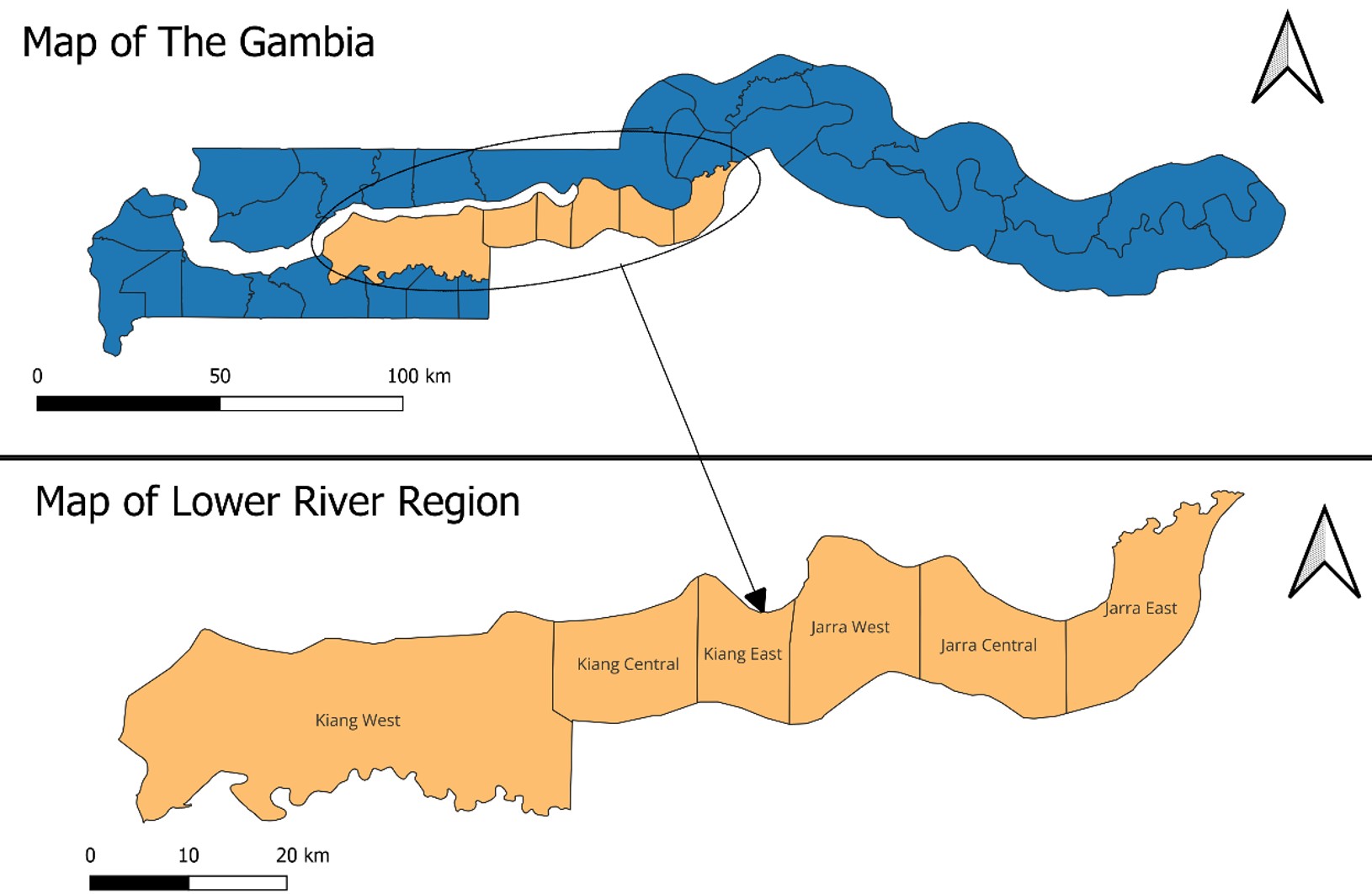
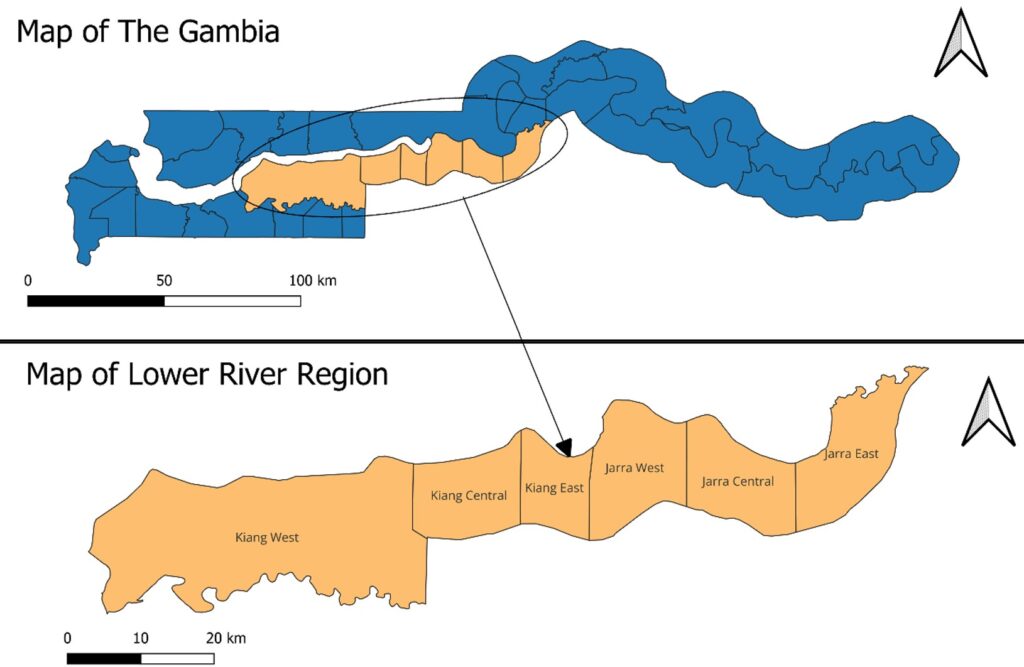
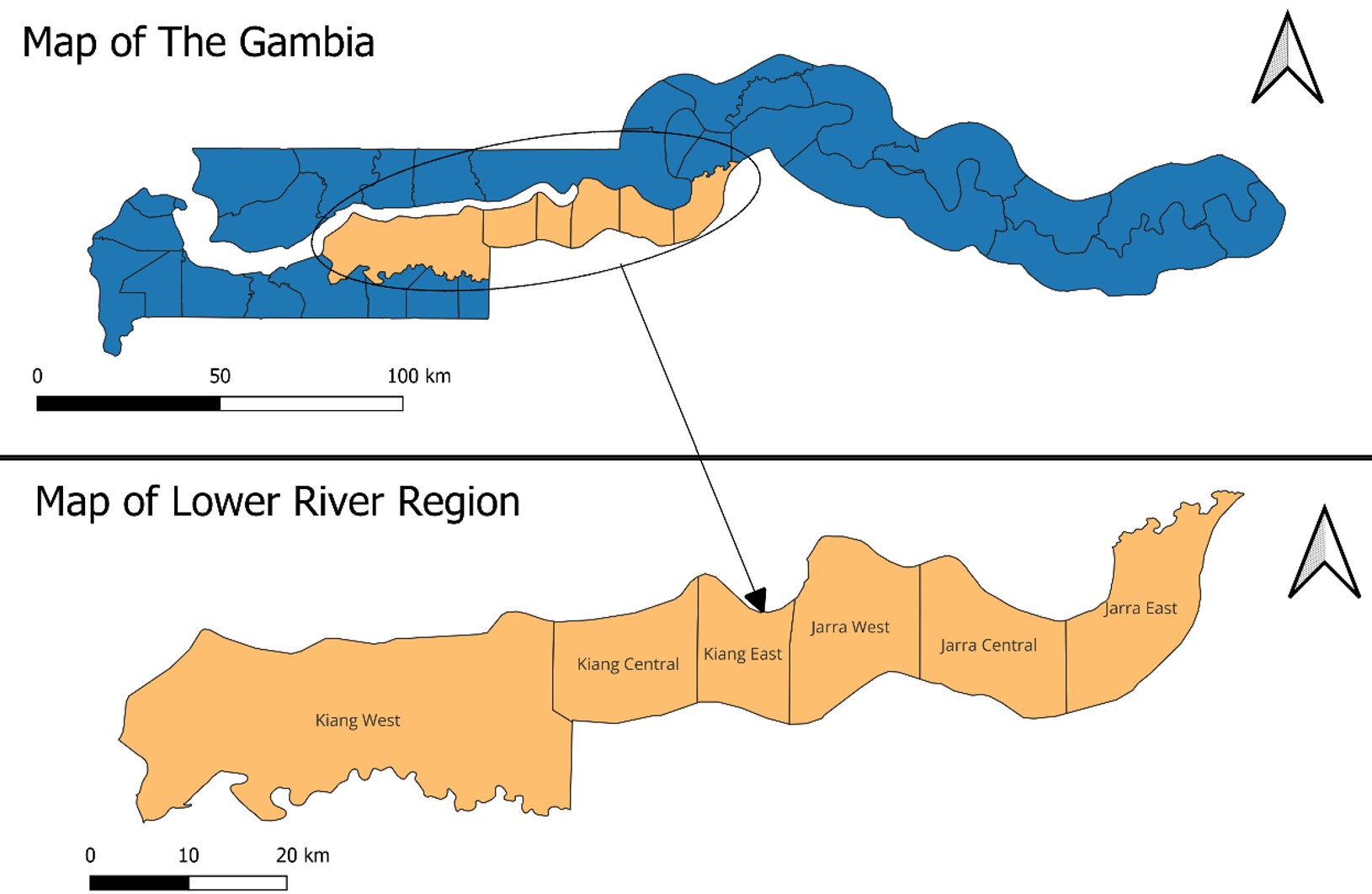
We conducted a descriptive cross-sectional study to evaluate the performance of the neonatal mortality surveillance system in the Lower River Region (LRR), between the period 2020-2024, which overlapped with the COVID-19 pandemic, during which routine health services and surveillance activities in The Gambia were affected due to resource reallocation and response priorities. LRR is one of The Gambia’s seven health administrative regions, located in the eastern part of The Gambia along the south bank of the River Gambia (Figure 1). The region is predominantly rural, with most of the population engaged in subsistence farming, relatively low socioeconomic status, ethnically diverse, with the main groups being Mandinka, Fula, and Wolof, and a population that is largely Muslim. The LRR has a population of 93,514, with an estimated annual live birth of 3,217. The regional health infrastructure comprises 38 facilities, including one district hospital (Soma District Hospital), one major health centre, seven minor health centres, and various community-based clinics and private facilities. Surveillance data from these facilities are managed by district surveillance officers who immediately report the events and weekly aggregate data to the Regional Principal Public Health Officer.
Operations of the Neonatal Mortality Surveillance System
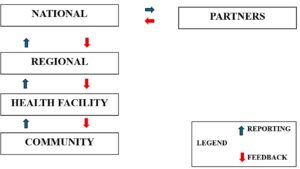
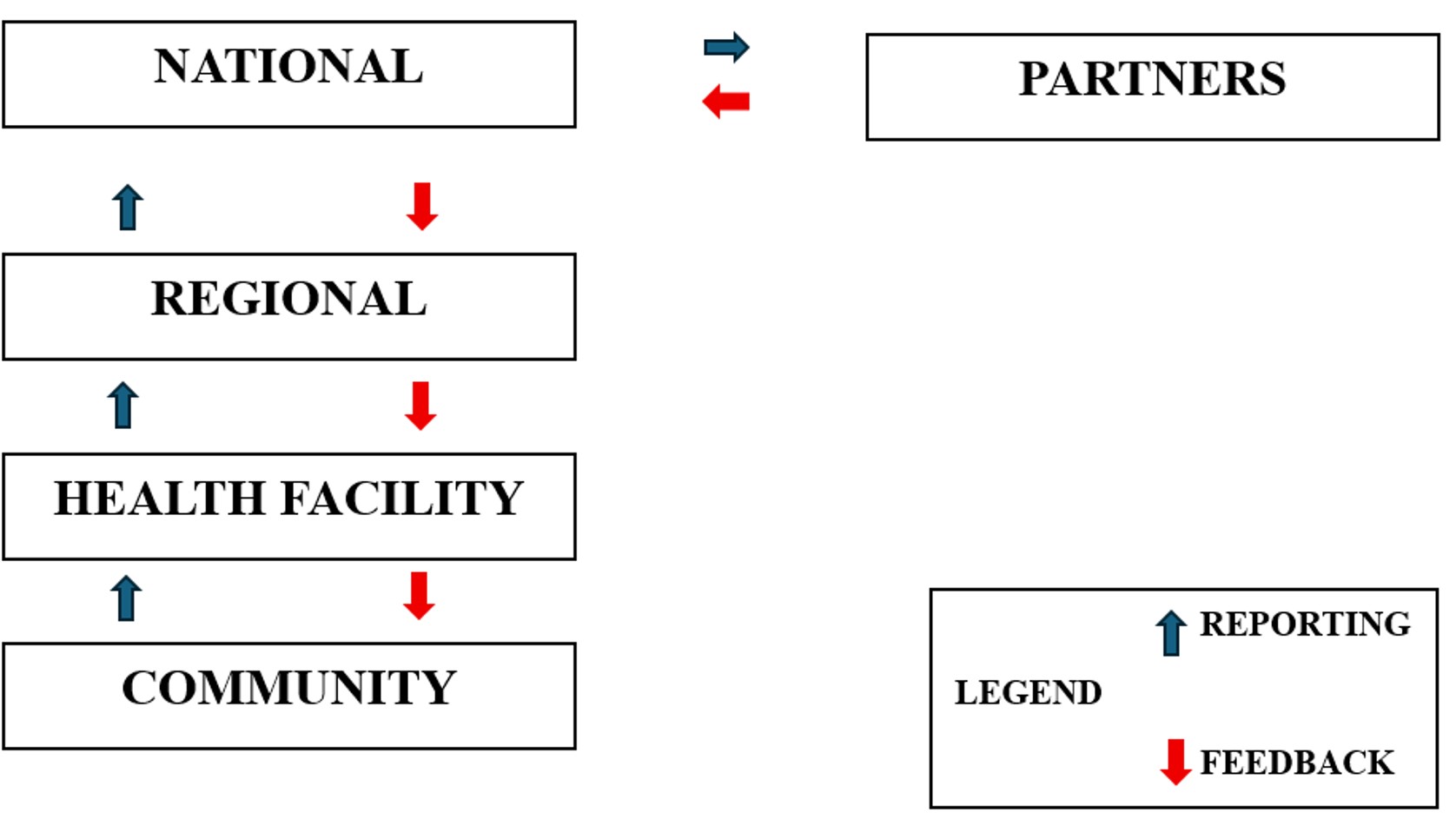
The system operates through four distinct levels of reporting, from community detection to national-level partner sharing (Figure 2). The process is initiated upon the occurrence of a neonatal death; community structures such as Village Health Workers (VHW), Community Birth Companion (CBC), or Village Social Group (VSG) notify the facility, where the event is documented. Information is subsequently entered into registers at Outpatient Departments (OPD), emergency, or consultation rooms. Data were reported via a web-based centralised District Health Information System 2 (DHIS2) where frontline healthcare workers at health facilities typically record neonatal events in the Health Management Information System (HMIS) monthly return book, which is then submitted to the regional level. Integrated Disease Surveillance and Response (IDSR) forms are completed for each neonatal death by the district surveillance officers during case investigation and then submitted to the regional level, entered into DHIS2 for aggregation and analysis.
Sampling and participants
A combination of purposive and random sampling techniques was used to select facilities, while participants were purposively selected based on their surveillance-related roles. Of the 38 eligible health facilities, 21 (55.3%) were selected to ensure representation across all levels of care (hospital, major and minor health centres, village health service posts, and community clinics) and facility ownership types (public, private, NGO, and service clinics). Purposive sampling was used to identify facilities with primary responsibility for neonatal mortality reporting, including the district hospital, the major health centre, and all seven minor health centres. The remaining facilities were selected through random sampling and comprised six village health service posts, three community clinics, one private facility, one non-governmental organization (NGO) clinic, and one service clinic.
Within the selected facilities, healthcare workers involved in neonatal mortality surveillance, including public health officers, nurses, midwives, officers-in-charge, and laboratory personnel, were purposively selected based on their surveillance-related roles. Six respondents were recruited from the district hospital, including a nurse, laboratory officer, officer-in-charge, midwife, and two public health officers, reflecting its role as the referral and coordinating facility for surveillance activities. Two respondents (a nurse and a public health officer) were selected from each major and minor health centre. One healthcare worker involved in surveillance activities was selected from each community clinic, village health service post, private facility, NGO clinic, and service clinic. In total, 34 healthcare workers from the 21 selected facilities were interviewed. A formal sample size calculation was not undertaken because the study was designed to obtain information from key surveillance personnel occupying predefined surveillance roles within selected facilities.
Data collection
Interviews were conducted between April 18 and June 21, 2025, using a semi-structured questionnaire deployed via the Kobo Toolbox/Kobo Collect app. The instrument, adapted from CDC Updated Guidelines for Evaluating Public Health Surveillance Systems (12) covered four domains: sociodemographic characteristics, system objectives, the usefulness of the system, and seven key surveillance attributes such as simplicity, flexibility, acceptability, representativeness, stability, timeliness, and data quality (completeness). The study primarily employed a quantitative approach; however, some responses were followed with open-ended questions to validate and provide contextual insights. Also, a checklist was used to document observations of the routine surveillance activities and record reviews pertaining to the NMSS operations, extract data related to quantitative attributes like timeliness, data quality, and representativeness.
Evaluation framework and assessment approach
For the assessment of the system’s usefulness and attributes, key items or indicators used were summarised below:
Each indicator or item in the attribute or usefulness domain is a binary indicator, and the yes responses were assigned ‘1’ and ‘0’ for the no response. Therefore, a composite score was calculated for each item as the sum of the observed positive indicators divided by the total sum of the maximum obtainable score for the item multiplied by 100. Therefore, the domain performance score was calculated as the average of the item scores for the domain or attribute. However, for the overall neonatal death surveillance system performance, the average of all the attributes’ performance scores was used. For comparative interpretation, final domain or attribute scores and surveillance system performance scores were categorised into a three-tier domain performance scale, i.e., High Performance: ≥ 80%, Moderate Performance: 50% to 79%, and Low Performance: < 50%.
Data analysis
Primary data collected via the Kobo Toolbox were exported to Microsoft Excel for cleaning and then imported into Stata (version 17) for descriptive analysis. We calculated frequencies, proportions, and measures of central tendency (mode and range) for quantitative indicators and subsequently aggregated them into attribute-specific performance scores according to the predefined evaluation framework. Data were presented in tables and charts.
Ethical considerations
This evaluation was conducted as part of the Field Epidemiology Training Program (FETP), a structured competency-based training program designed to strengthen applied epidemiology and public health practice in The Gambia, under the administrative mandate of the Epidemiology and Disease Control unit of the Gambian Ministry of Health, following formal written approval. In accordance with guidelines for public health surveillance system activities, the study was deemed exempt from formal Institutional Review Board (IRB) review. For the primary data collection phase, informed consent was obtained from all surveillance personnel; participation remained voluntary and confidential. All data were processed anonymously, adhering to the ethical principles of the Declaration of Helsinki and national data protection statutes.
Participant and facility characteristics
A total of 34 participants were interviewed. The median age was 30.5 years (range: 24–52 years), and the median duration of work experience in disease surveillance was 5.0 years (range: 1–28 years). Most participants were male (64.7%). Respondents represented all districts in the Lower River Region (LRR), with the highest proportions from Jarra West (26.5%), Jarra East (20.6%), and Kiang West (20.6%). Regarding facility types, 44.1% were from Minor Health Centres, followed by District Hospitals (17.6%) and Primary Health Care (PHC) Posts (17.6%). The workforce was primarily composed of Nurses (67.7%) and Public Health Officers (29.4%, Table 1).
Assessment of surveillance system objectives
Over the five years (2020–2024), 89 neonatal deaths were recorded. Annual reports fluctuated from 11 (12.4%) deaths in 2020 to a peak of 24 (27.0%) in 2021, before declining to 14 (15.7%) in 2024. While 64.1% (n = 25) of respondents confirmed recording at least one neonatal death, zero cases were investigated, and no facility reported using the outcomes from the neonatal surveillance data for public health action or clinical decision-making.
Usefulness of the surveillance system
The overall usefulness domain performance score was low at 25.9% (Table 2). Although all respondents agreed that the system is capable of detecting neonatal deaths, only 26.5% reported that it successfully detected neonatal deaths in practice. None of the participants used the data to monitor trends, and one respondent (2.9%) had ever attended a review meeting regarding surveillance guidelines.
Neonatal death surveillance system attribute performance score
The attributes domain performance score of the neonatal mortality surveillance system was summarised in Table 3. The overall simplicity performance score was 39.4%. Of all the participants, 47.1% were familiar with case definitions, 23.5% found the data collection process simple, and there was no Standard Operating Procedures (SOPs). Flexibility domain performance score was 86.0%. Most respondents (76.5%) indicated that tools are regularly updated, and 88.3% noted that additional variables would not complicate the system. For acceptability, the performance score was 33.8%. Although 79.4% of staff were involved in reporting, only 29.4% did so routinely. Community engagement was 23.5%, and user feedback was 2.9%, nearly non-existent. Representativeness performance score was 66.7%. All districts reported neonatal death, but yearly consistency of neonatal death data was 33.3%, and 66.7% districts reported neonatal deaths for both sexes.The overall domain performance score for stability attributes was 60.1%. Neonatal surveillance infrastructure availability was inconsistent. While budget lines (91.2%) and devices (94.1%) were widely reported, only 5.9% of the health facilities had neonatal death reporting forms always available. Internet stability was reported by 47.1% of participants.
Timeliness performance score was 21.3%. Generally, sending reports without delay was reported by 64.7% of the respondents. However, 20.6% strictly adhere to weekly/monthly reporting schedules, and 0% of neonatal deaths reported received timely feedback or investigation. Neonatal death data quality performance score was 64.1%. Although 97.1% reviewed data before submission, only 11.8% had received training on data quality. Furthermore, only 29.4% believed that all detected cases were successfully captured in the final reports. The overall performance of the Neonatal Mortality Surveillance System was 50.1% (Table 4). Flexibility was the only attribute to achieve high performance (≥80%), whereas timeliness, simplicity, and acceptability fell into the low-performance category (<50%).
This study provides the first comprehensive evaluation of the Neonatal Mortality Surveillance System (NMSS) in the Lower River Region (LRR) of The Gambia. While the system recorded 89 neonatal deaths between 2020 and 2024, our findings reveal a profound disconnect between data collection and public health response: zero cases were investigated, and no public health actions were initiated based on the captured data. According to WHO and CDC guidelines, a surveillance system’s primary purpose is to trigger timely intervention [2,12]; the NMSS’s failure to do so demonstrates a critical performance gap that mirrors challenges documented in Ghana, Zimbabwe, and Ethiopia [11,14,15]. The surveillance workforce mainly consisted of nurses and public health officers, mirroring the staffing pattern seen in peripheral health facilities in The Gambia. Similar workforce structures have been noted in surveillance assessments in Ghana and Zimbabwe, where frontline health workers are mainly responsible for collecting mortality data [5,11]. The relatively young median age and moderate experience in surveillance indicate potential for capacity development; however, limited training opportunities might hinder effective system use. All districts in LRR were represented, supporting geographic coverage, but variations in reporting consistency across districts raise concerns about equitable data collection.
The NMSS achieved a low usefulness score of 25.9%. Despite 64.1% of respondents documenting neonatal deaths, the lack of case-based follow-up limits the system’s ability to guide policy. The reliance on aggregated HMIS forms rather than case-based investigation tools likely masks the specific aetiologies, such as birth asphyxia and prematurity, that drive Gambian neonatal mortality [8,16,17]. Without routine review meetings or feedback mechanisms, the system remains a “data sink”. Even when data are accurately recorded at the facility level, the surveillance system’s capacity to support systemic improvement, prompt responses, or evidence-based policy-making is limited when information is gathered but not actively analysed and interpreted. Information that is merely collected and reported, without being used to direct clinical decisions or public health actions rather than a tool for clinical and systemic improvement, is a common finding in other low-resource settings [10,13].
Similar issues have been seen in neonatal and perinatal surveillance systems in Zimbabwe, where data were collected but rarely used to guide targeted interventions [13,10,9]. In Gambia, neonatal mortality still contributes significantly to under-five deaths [9]. The lack of data-driven actions highlights a missed chance to develop prevention strategies and enhance neonatal health. The system’s high flexibility (86.0%) is its primary strength, largely attributed to the successful integration of the DHIS2 platform across Africa [10,18], where digital platforms have enhanced adaptability and scalability [10]. However, flexibility alone does not compensate for deficiencies in data use and responsiveness. This adaptability suggests that the technical infrastructure is ready to accommodate more detailed variables if the surveillance focus shifts from aggregate numbers to case investigations.
However, this technical flexibility is undermined by low simplicity (39.4%) and low acceptability (33.8%). The total absence of Standard Operating Procedures (SOPs) and poor familiarity with case definitions create a “reporting-only” culture. Monthly HMIS reporting, rather than real-time or event-based reporting, increases administrative burden and delays action. As noted in Uganda and Ethiopia, complex or unsupported procedures discourage healthcare worker participation [15,19].
This focus on monthly deadlines over immediate action contributed to the system’s lowest score: timeliness (21.3%). Delays in reporting and zero feedback loops prevent the system from identifying modifiable risk factors in real-time. Similar findings have been reported in Zimbabwe and Ghana, where delayed reporting reduced the effectiveness of mortality surveillance systems [11,7]. Low acceptability has been associated with poor motivation and limited ownership of surveillance systems in similar settings [11,5]. Strengthening feedback mechanisms and community participation is critical to improving acceptability and sustainability. Furthermore, while stability (60.1%) was moderate due to available hardware and budgets, the critical lack of physical reporting forms (5.9%) and poor internet connectivity (47.1%) create frequent bottlenecks in the digital-first DHIS2 strategy. Infrastructure-related challenges remain common in surveillance systems across low-resource settings and have been shown to affect data completeness and timeliness [18,5]. Data quality (64.1%) was hampered by a lack of training (11.8%), leading to suspected underreporting. Only 29.4% of respondents believed all deaths were captured. Likely causes of underreporting include insufficient knowledge of case definitions among staff, unavailability or inconsistent use of reporting forms, and high workload. Additionally, the absence of regular supervision, feedback mechanisms, and community-level reporting gaps contributes to incomplete case capture.
These findings suggest that internal validation alone is insufficient without standardized training and supervision. Poor data quality has been widely documented as a barrier to effective neonatal mortality surveillance in sub-Saharan Africa [14,15]. While the system achieved 66.7% representativeness by covering all districts, inconsistent annual reporting and gaps in sex-disaggregated data limit the ability to monitor longitudinal trends [20]. These gaps may result in biased estimates of neonatal mortality trends and limit the system’s ability to identify high-risk subpopulations. Studies in The Gambia and Ghana have similarly highlighted underreporting and inconsistencies in facility-based neonatal mortality data [8,14]. The study period coincided with the COVID-19 pandemic, which may have influenced the performance of the NMSS. During this time, surveillance resources and personnel were redirected toward COVID-19 response activities, potentially affecting routine data collection, reporting timeliness, supervision, and case investigation. This may partly explain the observed gaps in timeliness, data utilization, and system performance [21].
A major strength of this study is the use of the CDC updated framework. However, the study is limited by potential recall and social desirability bias among respondents. Furthermore, as a facility-based evaluation, community-level neonatal deaths, which often go unrecorded in rural Gambia, were likely missed [8].
The NMSS in the Lower River Region currently serves as a functional recording mechanism but a failed surveillance tool. While technically flexible and stable, it lacks the simplicity, timeliness, and investigative rigour required to reduce preventable neonatal deaths. To achieve SDG target 3.2, the Ministry of Health implements case-based maternal and perinatal death surveillance and response (MPDSR), which can help identify preventable factors and guide targeted interventions to reduce maternal and neonatal mortality. Immediate priorities should include the dissemination of SOPs, mandatory staff training on data quality, and the institutionalisation of regular review meetings to turn data into life-saving public health action.
What is already known about the topic
What this study adds
We thank the Regional Health Directorate of Lower River Region, The Gambia, for permitting us to carry out this research under their auspices. I also sincerely appreciate all the health staff of the Lower River Region who contributed to the completion of this study.
CBS: Case-Based Surveillance
CDC: Center for Disease Control and Prevention
EDC: Epidemiology and Disease Control
HMIS: Health Management Information System
LRR: Lower River Region
MDG: Millennium Development Goal
NGO: Non-Governmental Organization
NM: Neonatal Mortality
NMR: Neonatal Mortality Rate
NMS: Neonatal Mortality Surveillance
RMNCAH: Reproductive and Maternal Neonatal Child Adolescent Health
RHD: Regional Health Directorate
PHC: Primary Healthcare
WHO: World Health Organization
SDG: Sustainable Development Goal
Conceptualization: Biran Touray.
Data Curation: Biran Touray.
Formal analysis: Biran Touray.
Investigation: Biran Touray.
Methodology: Biran Touray.
Supervision: Bakalilu Kijera, Sheriffo MK Darboe, Obafemi Joseph Babalola.
Writing – original draft: Biran Touray.
Writing – review & editing: Bakalilu Kijera, Sheriffo MK Darboe, Obafemi Joseph Babalola.
| Characteristic | Frequency (n) | Percentage (%) |
|---|---|---|
| Age (years) | Median 30.5 (Range: 24–52) | |
| Years of work experience | Median 5.0 (Range: 1–28) | |
| Sex | ||
| Male | 22 | 64.7 |
| Female | 12 | 35.3 |
| District | ||
| Jarra Central | 3 | 8.8 |
| Jarra East | 7 | 20.6 |
| Jarra West | 9 | 26.5 |
| Kiang Central | 4 | 11.8 |
| Kiang East | 4 | 11.8 |
| Kiang West | 7 | 20.6 |
| Facility type | ||
| Minor Health Center | 15 | 44.1 |
| District Hospital | 6 | 17.6 |
| Primary Health Care Post | 6 | 17.6 |
| Community Clinics | 3 | 8.8 |
| Major Health Center | 2 | 5.9 |
| NGO Clinic | 1 | 2.9 |
| Service Clinic | 1 | 2.9 |
| Cadre of staff | ||
| Nurse | 23 | 67.7 |
| Public Health Officer | 10 | 29.4 |
| Laboratory staff | 1 | 2.9 |
| Question / Indicator | Frequency (n) | Percentage Score (%) |
|---|---|---|
| Detected neonatal deaths in the past 5 years | 9/34 | 26.5 |
| Monitored the trend of neonatal deaths | 0/34 | 0.0 |
| The system is able to detect outbreaks of neonatal deaths | 34/34 | 100.0 |
| Assessed prevention/control programs | 0/34 | 0.0 |
| Attended review meetings (guidelines/forms) | 1/34 | 2.9 |
| Overall | 44/170 | 25.9 |
| Note: N = 34 respondents for indicators. “Overall” values are based on total possible responses (number of indicators × N). | ||
| Attributes | Question / Indicator | Frequency (n)/N | Percentage Score (%) |
|---|---|---|---|
| Simplicity | Case definition available and known | 16/34 | 47.1 |
| Data collection process is clear/simple | 8/34 | 23.5 | |
| SOPs available | 0/34 | 0.0 | |
| The number of organizations involved is reasonable | 9/34 | 26.5 | |
| The reporting method is easy (manual/electronic) | 34/34 | 100.0 | |
| Overall | 67/170 | 39.4 | |
| Flexibility | Reporting tools updated | 26/34 | 76.5 |
| Case definitions revised & incorporated | 27/34 | 79.4 | |
| Integration with other systems | 34/34 | 100.0 | |
| Additional variables will not complicate the system | 30/34 | 88.3 | |
| Overall | 117/136 | 86.0 | |
| Acceptability | All staff involved in reporting | 27/34 | 79.4 |
| Staff report neonatal deaths | 10/34 | 29.4 | |
| Community engagement and involvement present | 8/34 | 23.5 | |
| Positive feedback from users | 1/34 | 2.9 | |
| Overall | 46/136 | 33.8 | |
| Representativeness | All districts submitted data* | 6/6 | 100.0 |
| All districts reported cases for both male and female children* | 4/6 | 66.7 | |
| Every year contains reports from all expected districts* | 2/6 | 33.3 | |
| Overall | 12/18 | 66.7 | |
| Note: * Number of districts for denominator = 6; Number of participants (N) = 34. | |||
| Attributes | Question / Indicator | Frequency (n/N) | Percentage Score (%) |
|---|---|---|---|
| Stability | Reporting forms are always available | 2/34 | 5.9 |
| Safe record storage | 19/34 | 55.9 | |
| Availability of devices for reporting | 32/34 | 94.1 | |
| Internet connectivity | 16/34 | 47.1 | |
| Budget line available | 31/34 | 91.2 | |
| Sufficient human resources | 25/34 | 73.5 | |
| Backup system in place | 18/34 | 52.9 | |
| Overall | 143/238 | 60.1 | |
| Timeliness | Reports submitted without delay | 22/34 | 64.7 |
| Investigations done on time | 0/34 | 0.0 | |
| Feedback received timely | 0/34 | 0.0 | |
| Weekly/monthly reports sent on time | 7/34 | 20.6 | |
| Overall | 29/136 | 21.3 | |
| Data Quality | All detected cases reported | 10/34 | 29.4 |
| No missing reports | 28/34 | 82.4 | |
| Data reviewed before submission | 33/34 | 97.1 | |
| Error minimization and validation process | 34/34 | 100.0 | |
| Periodic staff training on data quality | 4/34 | 11.8 | |
| Overall | 109/170 | 64.1 |