
Outbreak Investigation | Open Access | Volume 9 (Suppl 12): Article 13 | Published: 24 Aug 2026

Views: 983
Menu, Tables and Figures
| Table 1: Epidemiological characteristics of confirmed LF cases in Gombe State, Nigeria, from epi-week 1-7, 2025 | ||
| Category | Findings | Percentage (%) |
|---|---|---|
| Total suspected cases | 39 | 100.0 |
| Confirmed cases | 11 | 28.2 |
| Probable cases | 1 | 2.6 |
| Sex of confirmed cases | ||
| Male | 10 | 90.9 |
| Female | 1 | 9.1 |
| Age group of confirmed cases | ||
| 0-10 | 0 | 0.0 |
| 11-20 | 1 | 9.1 |
| 21-30 | 5 | 45.5 |
| 31-40 | 1 | 9.1 |
| 41-50 | 1 | 9.1 |
| ≥51 | 3 | 27.3 |
| Exposure type | ||
| Imported | 6 | 54.5 |
| Locally acquired | 5 | 45.5 |
| Healthcare worker infection | ||
| Yes | 2 | 18.2 |
| No | 9 | 81.8 |
| Outcome | ||
| Alive | 5 | 45.5 |
| Dead | 6 | 54.5 |
| Clinical characteristics | ||
| Fever | 11 | 100.0 |
| Vomiting | 10 | 90.9 |
| Joint pain | 9 | 81.8 |
| Cough | 8 | 72.7 |
| Loss of appetite | 8 | 72.7 |
| Headache | 7 | 63.6 |
| Case Fatality Rate (CFR) | ||
| Deaths | 6 | 54.5 |
| *Percentages for demographic, clinical and epidemiological variables were calculated using confirmed cases (n=11). Clinical characteristics were not mutually exclusive; therefore, percentages do not sum to 100%. | ||
Table 1: Epidemiological characteristics of confirmed LF cases in Gombe State, Nigeria, from epi-week 1 – 7, 2025
| Table 2: Interstate importation pathways of confirmed LF cases in Gombe State, Nigeria, from epi-week 1-7, 2025 | ||||
| Source state | Source LGA | Destination LGA in Gombe state | Number of imported confirmed cases | Percentage (%) |
|---|---|---|---|---|
| Taraba | Karim Lamido | Yamaltu/Deba | 3 | 50.0 |
| Taraba | Karim Lamido | Kaltungo | 1 | 16.7 |
| Taraba | Ardo Kola | Yamaltu/Deba | 1 | 16.7 |
| Bauchi | Kirfi | Gombe | 1 | 16.7 |
| Total | 6 | 100.0 | ||
| *Percentages were calculated using imported laboratory-confirmed cases (n = 6). | ||||
Table 2: Interstate importation pathways of confirmed LF cases in Gombe State, Nigeria, from epi-week 1 – 7, 2025
Ebelechukwu Chinwe Metuh1,&, William Nwachukwu1, Rejoice Kudirat Luka-Lawal1, Yetunde Abioye1, Bala Lawan Buratai1, Stephen Adeshina Ohuneni1, Chinedu Okoroafor1, Bright Friday Onwe1, Chukwuemeka Nnamdi Okeh1, Sulaiman Ahmad Abubakar1, Hamza Alhaji Musa1, Kabiru Hassan Bajoga2, Bile Nuhu2, Chijioke Mba3, Olusola Abioye4, Fatima Saleh1
1Nigeria Centre for Disease Control and Prevention, Abuja, Nigeria, 2Gombe Public Health Emergency Operations Centre, Gombe State, Nigeria, 3Institute of Human Virology, Abuja, Nigeria, 4Research Triangle Institute, North Carolina, USA
&Corresponding author: Ebelechukwu Chinwe Metuh, Nigeria Centre for Disease Control and Prevention, 801 Ebitu Ukiwe Street, Jabi, Abuja, Nigeria. Email: ebelechukwu.metuh@ncdc.gov.ng ORCID: https://orcid.org/0009-0007-7989-0024
Received: 31 Dec 2025, Accepted: 21 Aug 2026, Published: 24 Aug 2026
Domain: Infectious Disease Epidemiology
Keywords: Lassa fever, outbreak response, surveillance, interstate coordination, Nigeria
©Ebelechukwu Chinwe Metuh et al. Journal of Interventional Epidemiology and Public Health (ISSN: 2664-2824). This is an Open Access article distributed under the terms of the Creative Commons Attribution International 4.0 License (https://creativecommons.org/licenses/by/4.0/), which permits unrestricted use, distribution, and reproduction in any medium, provided the original work is properly cited.
Cite this article: Ebelechukwu Chinwe Metuh et al., Strengthening interstate surveillance and data sharing: Lessons from Gombe State’s Lassa fever outbreak response, Nigeria. Journal of Interventional Epidemiology and Public Health. 2026; 9(Suppl 12):13. https://doi.org/10.37432/jieph-d-26-00001
Introduction: Lassa fever (LF) endemicity in West Africa poses amplified risks due to population mobility and health system gaps. A LF outbreak in Gombe State, Nigeria (December 2024–February 2025), a non-hotspot state, exposed gaps in regional health security, interstate surveillance and coordination. The index case (a traveller from Taraba State) highlighted interstate border transmission risks. This study reviews Gombe State’s 2024/2025 LF outbreak data to strengthen LF outbreak control, enhance future outbreak preparedness and improve interstate collaboration.
Methods: Nigeria’s National Rapid Response Team (NRRT) conducted a descriptive cross-sectional study of Gombe State LF cases between December 2024 and February 2025 across nine (82%) of the Local Government Areas (LGAs) from 12th to 26th February 2025. Response activities included active case search, retrospective record reviews, harmonisation of surveillance data using the Surveillance Outbreak Response Management and Analysis System (SORMAS), IPC assessments, environmental risk assessment, community engagement, and interstate coordination. Data were analysed descriptively by person, place, and time.
Results: Thirty-nine suspected cases, 11 confirmed cases, one probable case, and six deaths were identified during the outbreak period. Imported cases linked to Taraba and Bauchi States contributed substantially to the outbreak. Surveillance data reconciliation improved harmonization of outbreak records across SORMAS, health facility records, laboratory records, and state line lists. IPC assessments identified gaps in triage systems, PPE utilisation, isolation capacity, and adherence to standard precautions. No additional confirmed case or healthcare worker infection was identified during the later phase of the response period.
Conclusion: The Gombe outbreak demonstrates the vulnerability of states not traditionally considered LF hotspots to interstate importation and localised transmission. Interstate surveillance coordination, data harmonization, strengthened IPC measures, and multisectoral response activities supported outbreak detection and response efforts. Strengthening these systems may improve preparedness and response to future outbreaks.
Lassa fever (LF) is a zoonotic viral haemorrhagic disease endemic to West Africa and remains an important cause of morbidity and mortality in the sub-region. It is caused by a single-stranded RNA virus of the family Arenaviridae, with Nigeria accounting for the highest annual burden of reported cases [1]. Transmission occurs primarily through exposure to excreta of infected Mastomys rodents, while secondary human-to-human transmission occurs in households and healthcare settings, especially where Infection Prevention and Control (IPC) measures are inadequate [2]. The disease poses a persistent public health challenge due to its epidemic potential, high case fatality among severe cases, and strain on health systems during outbreaks [2, 3].
Although LF transmission in Nigeria has historically been concentrated in recognised high-burden states, outbreaks have increasingly been reported in previously non-high-burden states [4, 5]. This shift has been linked to population mobility, ecological changes affecting rodent populations, urbanization, and improved surveillance and laboratory capacity [5,6]. Interstate travel for trade and social activities has been identified as a major driver of spread across administrative boundaries [7, 18]. Genomic studies have demonstrated close relatedness of Lassa virus strains across states [8], supporting transmission driven by human movement rather than independent zoonotic events [7, 8].
LF remains an important public health issue in Nigeria, but the burden is not evenly distributed across the country. In 2022, 1,067 confirmed cases were reported from 27 states, with Ondo, Edo and Bauchi alone accounting for 72% of all confirmed cases [9]. Gombe State has also reported LF cases, although its burden has generally been lower than that of these high-burden states. In 2022, for example, Gombe recorded 24 confirmed cases, compared with 347 in Ondo, 261 in Edo and 140 in Bauchi by epidemiological week 50 [10]. States in Nigeria with a high burden of LF have benefited from strengthened surveillance and response systems, including real-time reporting, rapid response support and access to molecular laboratory testing [11]. Where these capacities are less developed, gaps in surveillance and delays in accessing laboratory testing can affect timely detection and response to outbreaks [12,13].
Gombe State is located in North-Eastern Nigeria, with Gombe as its capital and comprises 11 Local Government Areas (LGAs) and covers an area of approximately 18,768km2 [14]. The 2006 Population and Housing Census recorded a population of 2,365,040, with 1,244,228 males and 1,120,812 females [15]. Agriculture is the main occupation of the population, with crop production being an important economic activity in the state [16]. It is not traditionally classified as an LF high-burden state. However, its geographical proximity and socio-economic links to high-burden states such as Taraba and Bauchi states place it at persistent risk of importation and an outbreak [3, 7, 17].
In 2025, Gombe State recorded a total of 14 laboratory-confirmed LF cases [18]. This outbreak investigation focused on the 11 laboratory-confirmed LF cases reported during epidemiological weeks 1-7, of which six are believed to have originated from neighbouring Bauchi and Taraba States. This manuscript aims to describe the epidemiological characteristics of the 2025 LF outbreak in Gombe State, with a focus on the patterns of interstate importation and locally acquired cases at the beginning of the outbreak, a review of surveillance and IPC gaps and a description of the coordinated response in a state not traditionally considered a LF high-burden state.
LF outbreak notification and investigation scope
On 7th January 2025, the Nigeria Centre for Disease Control and Prevention (NCDC) was notified of a laboratory-confirmed LF case in Gombe State through the Surveillance Outbreak Response Management and Analysis System (SORMAS). A rapid risk assessment conducted at national and state levels identified potential interstate exposure based on the index case’s travel history. Following engagement with the Gombe State Ministry of Health and activation of the State Public Health Emergency Operations Centre (PHEOC), a multisectoral national rapid response team (NRRT) was deployed from 12th to 26th February 2025.
A descriptive outbreak investigation by the NRRT was conducted in Gombe State, with surveillance and response activities extending across affected neighbouring Bauchi and Taraba States, respectively. Epidemiologically linked LGAs are defined by the authors as LGAs connected to an imported case through documented travel or exposure history identified during case investigation and verified through interstate surveillance coordination. The investigation covered only cases reported between epidemiological weeks 1 and 7 of 2025, which is from 30th December 2024 to 15th February 2025. This period was selected because it covered cases identified during the initial phase of the outbreak and during the NRRT deployment and investigation.
Case definitions and classifications
All suspected, probable, and laboratory-confirmed LF cases reported through the Surveillance Outbreak Response Management and Analysis System (SORMAS), active case search, health facility records, laboratory records, and contact tracing within the affected LGAs during epidemiological weeks 1–7 of 2025 were included in the investigation. Records outside the investigation period, duplicate records, and records that could not be verified through SORMAS, case investigation forms, health facility registers, or laboratory records were excluded from the analysis.
Suspected, probable, and confirmed LF cases were classified using national case definitions. According to the NCDC national case definition, a suspected LF case is defined as any person presenting with one or more of the following symptoms: fever, general weakness, headache, sore throat, muscle pain, chest pain, nausea, vomiting, diarrhoea, cough, abdominal pain, or unexplained bleeding, with symptoms not responding to standard treatment for malaria or common bacterial infections within 24–72 hours. A confirmed case is defined as a suspected case with laboratory confirmation by reverse transcriptase–polymerase chain reaction (RT-PCR). A probable case is defined as a suspected case with epidemiological linkage to a confirmed case who died before laboratory confirmation [19].
Imported cases were defined by the NRRT as confirmed or probable LF cases with documented travel history linking the case to an affected LGA outside Gombe State, where the epidemiological investigation supported acquisition outside the state. A locally acquired case was defined as a laboratory-confirmed LF case with no documented interstate travel history and for which the investigation supported acquisition within Gombe State. Classification was based on recorded travel history, case investigation findings, and interstate surveillance information used to verify the identified source and destination LGAs.
Outbreak investigation procedure
During the NRRT deployment in epi-week 9, epidemiological data from epi-weeks 1-7 were obtained from electronic line lists in SORMAS, LF case investigation forms, health facility registers, and both paper-based and electronic laboratory records maintained at reporting health facilities and laboratories. SORMAS is Nigeria’s national real-time electronic surveillance platform used for the notification, reporting, investigation, laboratory monitoring, and management of epidemic-prone diseases across all levels of the health system. Surveillance data were reviewed using the state line list and SORMAS to identify gaps in data entry and harmonise outbreak records. Retrospective facility-based case search and community-based active case search were also conducted to identify potentially missed cases. Variables collected included age, sex, place of residence, LGA and state of exposure, travel history, healthcare worker status, date of symptom onset, date of presentation, laboratory results, and clinical outcomes.
Blood specimens collected from suspected cases were transported to the Molecular Genetics and Infectious Diseases (MOGID) Laboratory, Bauchi, the regional reference laboratory for LF diagnosis, where testing was performed using reverse transcriptase–polymerase chain reaction (RT-PCR) in accordance with national laboratory guidelines. Laboratory confirmation of LF was based on a positive RT-PCR result.
Active case search was conducted by the NRRT from 12th to 26th February 2025 in collaboration with Disease Surveillance and Notification Officers (DSNOs), healthcare workers, and community informants across communities in nine LGAs: Kaltungo, Yamaltu-Deba, Balanga, Billiri, Funakaye, Nafada, Gombe, Shongom and Akko. A retrospective health facility-based case search was conducted at various health facilities across eight LGAs and one LGA was excluded due to limited access. The search involved manual review of outpatient, inpatient, emergency, and laboratory registers to identify suspected LF cases that met the national case definition but had not been reported through the routine surveillance system. Suspected cases identified during the response were taken to the isolation centre, where samples were collected and referred to MOGID Bauchi for testing. Contact tracing was conducted for confirmed and probable cases by identifying persons with documented exposure to a case during the infectious period and monitoring them daily for 21 days for development of symptoms in accordance with the national LF surveillance guidelines.
Data triangulation, including interstate data sharing and surveillance coordination, was conducted during the deployment through collaboration between the NCDC, State Epidemiologists, and DSNOs in Gombe, Taraba, and Bauchi States. Firstly, data harmonization was conducted within the first week of deployment of the NRRT and it involved data sharing, comparison and reconciliation of information from SORMAS, state line lists, case investigation forms, health facility records, laboratory records, and contact tracing records to identify duplicate records, resolve inconsistencies in demographic and epidemiological information, verify travel and exposure histories, and ensure consistency in case classification across the affected states. Harmonized records were subsequently used for descriptive epidemiological analysis. Descriptive analysis was conducted using Microsoft Excel (Office 365). Cases were summarized using descriptive epidemiological methods by person, place, and time. An epidemiological curve was generated to describe temporal trends. An age-sex pyramid was generated to describe the age-sex demographic. Spatial distribution and interstate movement patterns were visualized using ArcGIS version 10.7.0.10450.
IPC assessments were conducted during the NRRT deployment at the three facilities designated for LF case management during the outbreak. They include the Federal Teaching Hospital (FTH) Gombe treatment centre, General Hospital Kaltungo treatment unit, and Gombe State Specialist Hospital standby treatment centre. A state-level IPC assessment was conducted on 13th February 2025 by the Gombe State IPC focal person with support from the NCDC IPC team, while the FTH Gombe treatment centre was assessed on 19th February 2025 using the adapted IPCAT-MR, the NCDC IPC Scorecard for Healthcare Facilities, and an LF treatment-centre IPC assessment tool. The assessments covered key areas including screening and triage, hand hygiene, PPE, treatment-centre organization, environmental cleaning, waste management, and other core IPC requirements.
An Early Action Review (EAR) was conducted during the NRRT deployment using the 7-1-7 framework to assess the timeliness of outbreak detection, notification, investigation, and initiation of key response activities. Findings from the review were used to identify operational gaps and inform recommendations for strengthening outbreak preparedness and response.
Ethical considerations
This investigation was conducted as part of the Nigeria Centre for Disease Control and Prevention (NCDC) response to the LF outbreak in Gombe State. As it formed part of a routine public health outbreak investigation and response, formal ethical approval was not required. However, clearance was obtained from the Research Governance Unit of the Nigeria Centre for Disease Control and Prevention (NCDC). The investigation used routinely collected surveillance and laboratory data, and only de-identified case-based information was included in the analysis. Access to the data was granted through the outbreak response coordination mechanism, and all data were handled confidentially and used solely for public health and research purposes.
Epidemiological characteristics
Between 30th December 2024 and 25th February 2025, 39 suspected LF cases were reported in Gombe State. Of these, 11 were laboratory-confirmed, and one was classified as probable. Six deaths occurred among 11 confirmed cases, resulting in a case fatality rate of 55%. Five of the 11 LGAs in the state were affected.
The outbreak started with the presentation of the index case, a 30-year-old male from Yamaltu-Deba LGA in Gombe State. The index case developed symptoms on 30th December 2024 while in neighbouring Taraba State but presented on return to the Infectious Disease Hospital (IDH), Zambuk, Gombe, on 6th January 2025. LF was clinically suspected, prompting DSNO notification through the SORMAS. A blood specimen was collected and tested at the nearest testing facility, the Molecular Genetics and Infectious Diseases (MOGID) Laboratory, Bauchi, where LF virus infection was confirmed by reverse transcriptase–polymerase chain reaction (RT-PCR) on 9th January 2025. The Gombe State Incident Management System was activated on 10th January 2025, and the NRRT was deployed between 12th and 26th February 2025.
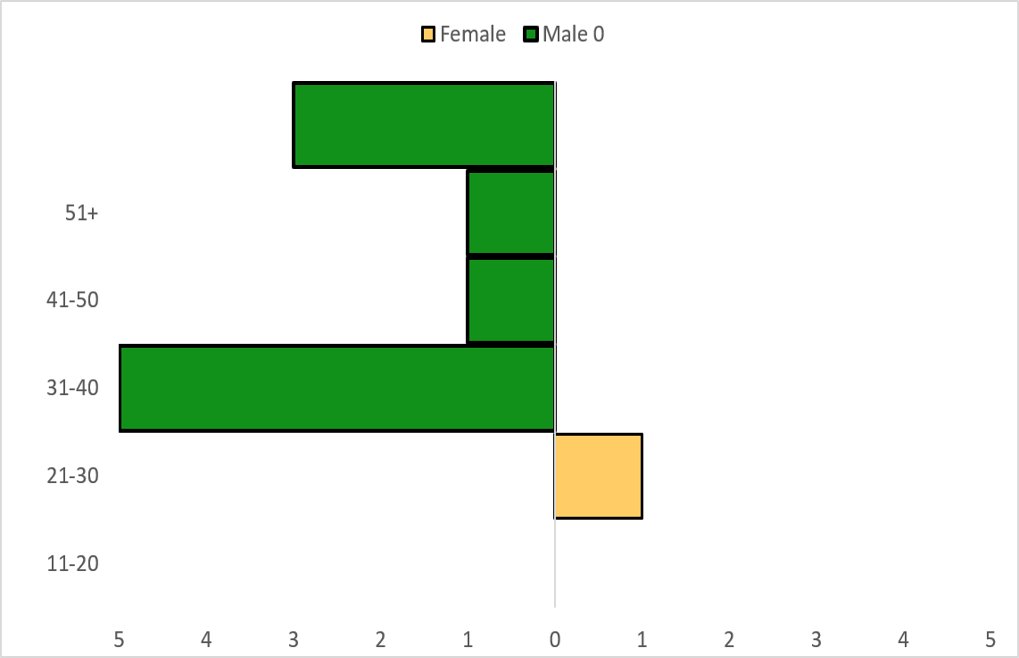
Following the index case, 39 suspected cases were recorded between weeks 1-7. Out of these, 11 were confirmed by laboratory testing, and two were healthcare workers. Of the 11 confirmed cases, 10 (90.9 %) were males, and 1 (9.1%) were females (Figure 1). Epidemiological outcomes (Table 1). Most cases occurred among individuals aged 21–30 years. Fever was the most common symptom reported in all confirmed cases (100%), followed by vomiting (90.9%), joint pain (81.8%), cough (72.7%), loss of appetite (72.7%) and headache (63.6%).
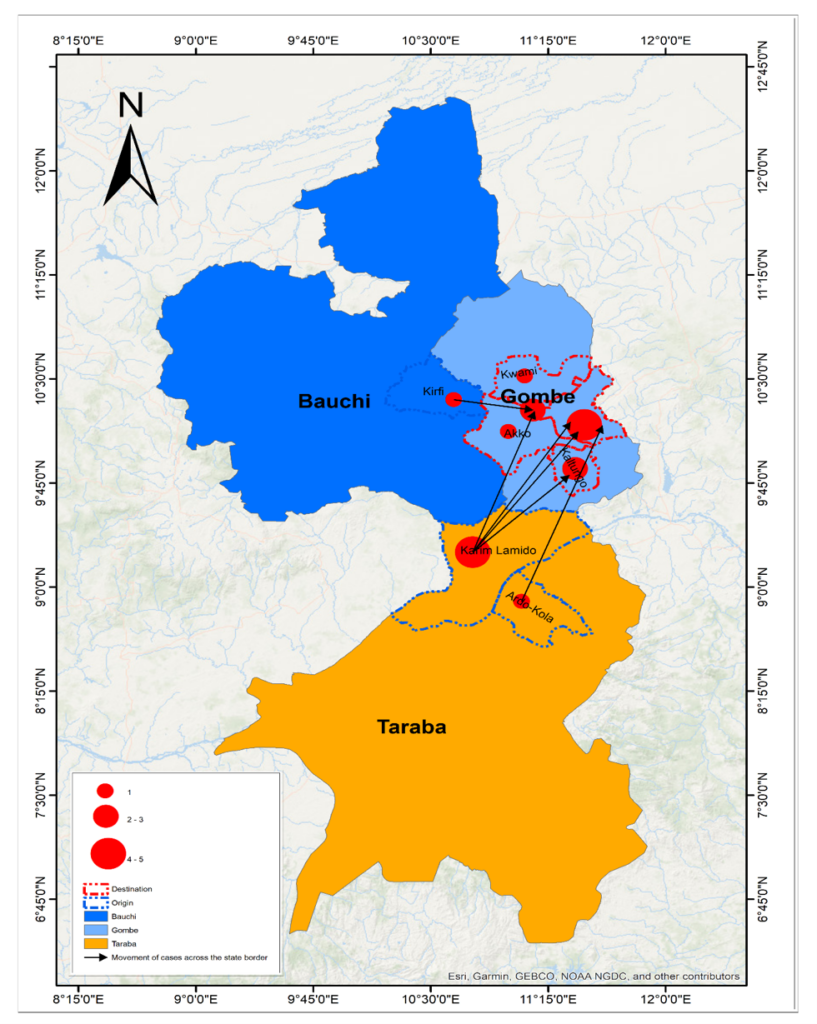
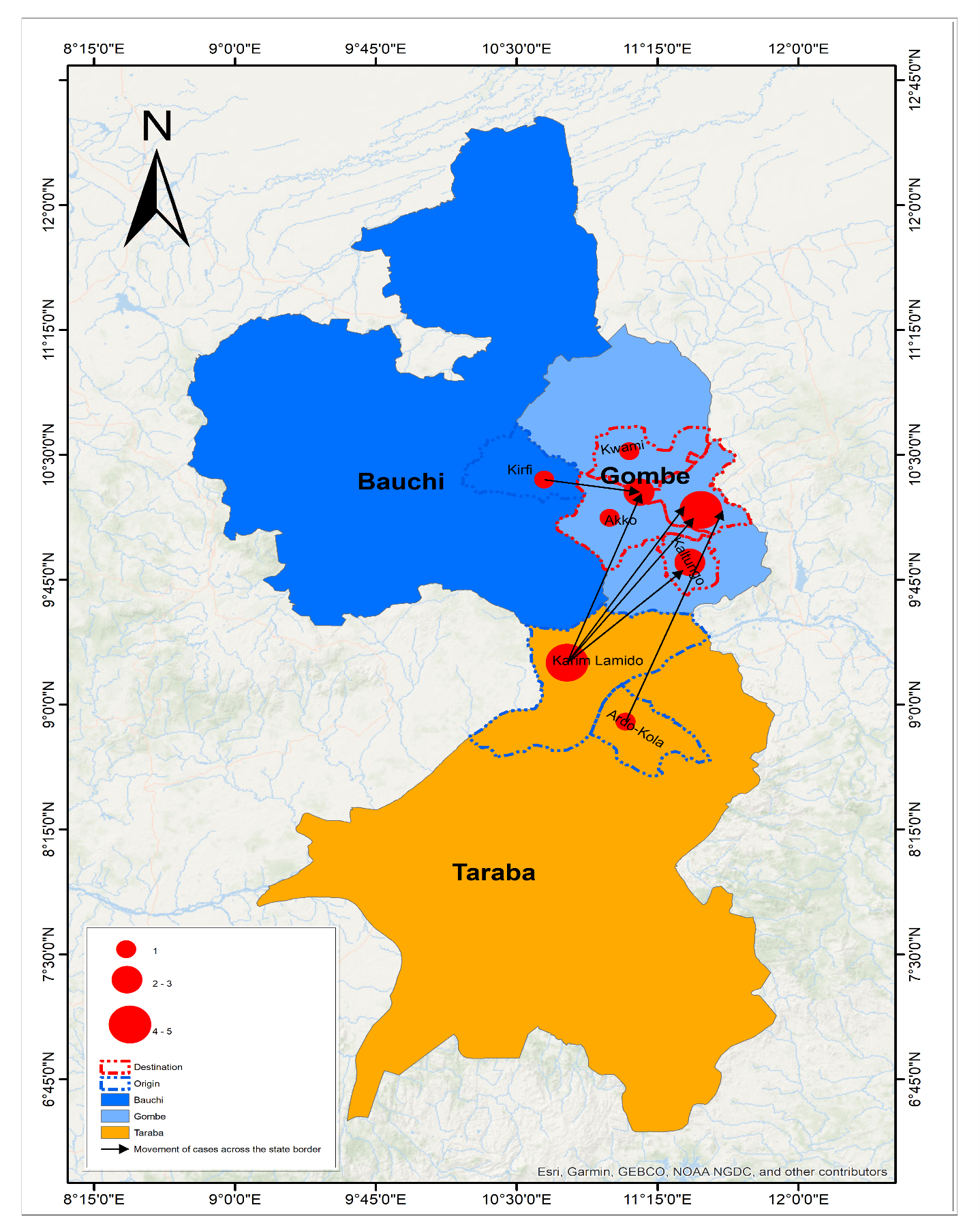
More than half of the confirmed cases, i.e. 6 out of 11 confirmed cases, were imported from neighbouring states. Imported cases were linked to Karim Lamido and Ardo Kola LGAs in Taraba State and Kirfi LGA in Bauchi State, while the remaining confirmed cases were classified as locally acquired based on epidemiological links identified within affected LGAs in Gombe State. The spatial distribution of cases is presented in Figure 2, and the interstate importation pathways are presented in Table 2.
Desk review and reconciliation of surveillance data from SORMAS, state line lists, case investigation forms, health facility records, and laboratory records were conducted to harmonise outbreak data across affected LGAs. Data harmonization identified gaps in documentation and inconsistencies in reporting; however, no previously unreported confirmed cases were identified during retrospective facility-based case search.
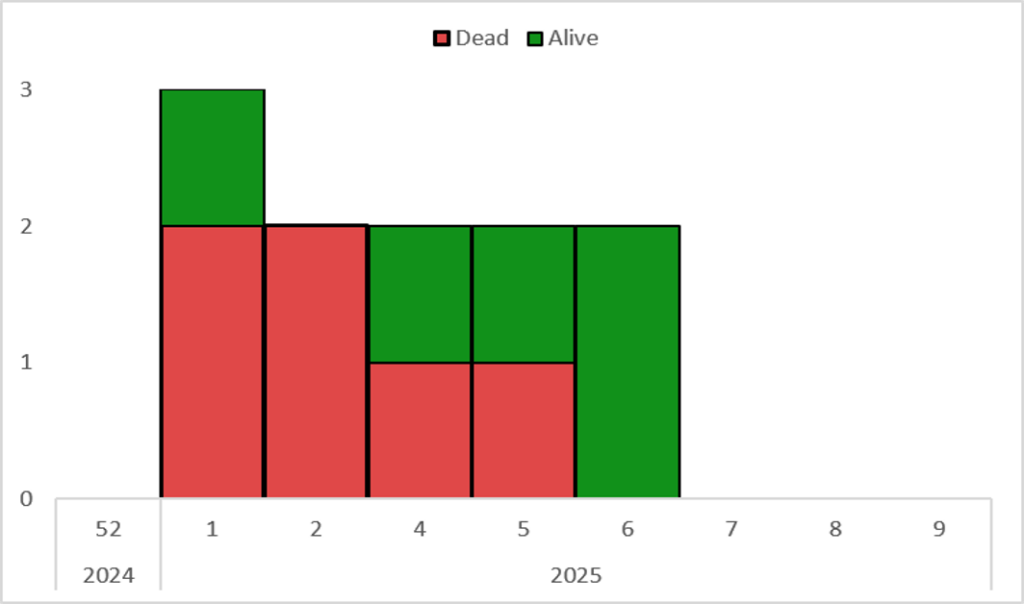
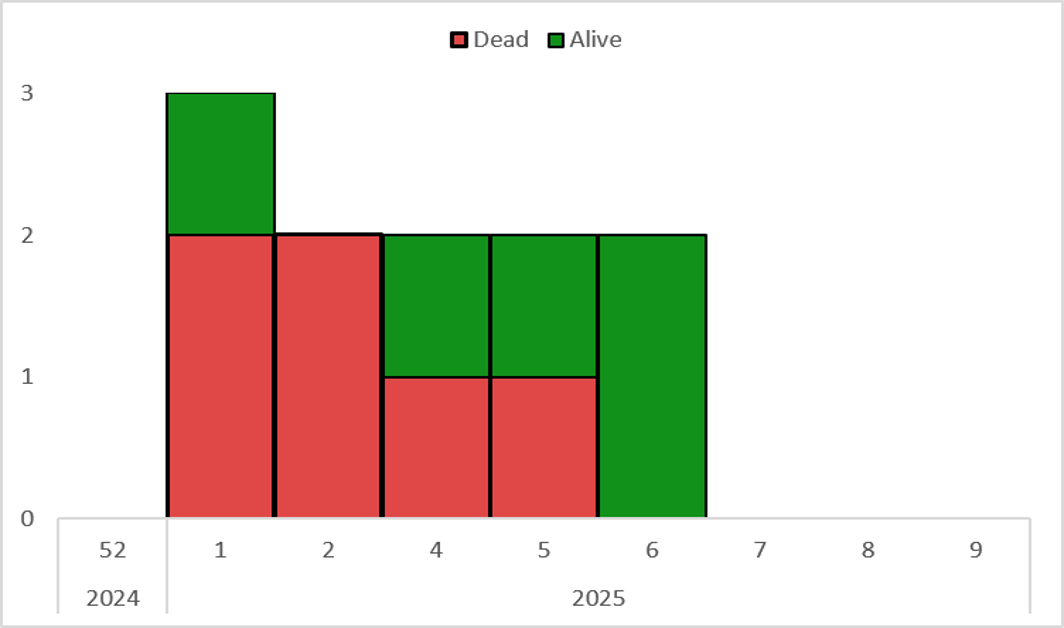
The epidemic curve (Figure 3) showed intermittent occurrence of confirmed cases between epidemiological weeks 1 and 6, with no confirmed case reported during epidemiological week 3. Five LGAs in Gombe State recorded confirmed LF cases and were hence classified as affected. They include Yamaltu-Deba, Gombe, Akko, Kwami and Kaltungo LGAs. Six of the 11 confirmed cases were classified as imported following epidemiological investigation, which included review of travel and exposure history, case investigation forms, contact tracing, and verification of epidemiological links through interstate surveillance coordination with Taraba and Bauchi States.
Among the 11 confirmed cases, six were classified as imported and five as locally acquired. Imported cases were linked to recent travel to Taraba State (Karim Lamido and Ardo Kola LGAs) and Bauchi State (Kirfi LGA) that share borders with Gombe State, whereas locally acquired cases had no evidence of exposure outside Gombe State during the incubation period and were epidemiologically linked to transmission within affected LGAs in Gombe State. Imported cases were exclusively male and occurred predominantly among adults aged 29–30 years, while locally acquired cases occurred predominantly among males and included a wider age range (20–79 years). Four out of the six imported cases were farmers; one was a trader, while the sixth one had no occupation documented. Two out of the five locally acquired cases were students, one was a civil servant, one was a farmer, and one was a health worker.
Outbreak response findings
A key intervention during the response was strengthening surveillance coordination and data harmonization across Gombe, Taraba and Bauchi States to support verification of interstate epidemiological links and classification of imported and locally acquired cases. This was complemented by community-based active case search, retrospective facility-based case search, reconciliation of the state line lists and SORMAS records, supportive supervision of surveillance personnel, and epidemiological analysis of the outbreak.
Coordination activities included advocacy and engagement with state and local stakeholders, support to the State Public Health Emergency Operations Centre (PHEOC), review of the state Incident Action Plan (IAP), development of the NRRT work plan, coordination of response activities, conduct of an Early Action Review using the 7-1-7 framework, and preparation of daily situation, preliminary and interim reports. An Early Action Review (EAR) using the 7-1-7 framework was conducted to assess the timeliness of outbreak detection, notification, laboratory confirmation, and initiation of response activities. The review showed that the outbreak was detected two days after the presentation of the index case, laboratory confirmation was obtained three days after detection and coordinated public health response activities were initiated one day after laboratory confirmation. The review also identified operational gaps in preparedness, surveillance coordination, and rapid implementation of response activities, which informed recommendations for strengthening future outbreak preparedness and response.
Review of surveillance records identified gaps in data entry, incomplete documentation, and inconsistencies between health facility records and SORMAS records. Poor documentation of signs and symptoms in some health facility records limited retrospective verification of suspected LF cases. Retrospective facility-based case search and community-based active case search conducted in various communities across nine LGAs, including Kaltungo, Yamaltu-Deba, Balanga, Billiri, Funakaye, Nafada, Gombe, Shongom, and Akko during the investigation, did not identify any suspected or confirmed cases meeting the case definition.
The verification of epidemiological links across Gombe, Taraba, and Bauchi States required reconciliation of surveillance records, travel histories, laboratory information, and contact tracing records through interstate surveillance coordination. This process facilitated harmonization of surveillance records and consistent classification of imported and locally acquired cases before analysis.
Case management activities included sensitization and psychosocial support for LF patients, mentorship of healthcare workers on case management, dissemination of national LF case-management guidelines and tools, and activation of the Gombe State Specialist Hospital as a standby treatment centre to complement the Federal Teaching Hospital Gombe treatment centre.
IPC response activities included development of an IPC work plan, on-site training and mentoring of healthcare workers, strengthening of triage and IPC practices, and reorganization of the FTH Gombe treatment centre to improve unidirectional flow and implementation of IPC protocols. At FTH Gombe, the NCDC IPC Scorecard assessment yielded an overall score of 67.5/130 (52%). The highest score was recorded for healthcare-associated infection surveillance (10/10), while major gaps were identified in needlestick and sharps injury prevention (0/10), decontamination of medical devices (2.5/10), staff education and training (3/10), and outpatient/triage systems (3/10). The results of the assessments of the other two facilities could not be accessed. Gaps were also identified in hand hygiene, environmental cleaning, waste management, laboratory biosafety, and availability of relevant IPC SOPs. Environmental cleaning, waste management, hand hygiene and sharps safety were addressed through immediate corrective actions and on-site mentoring. The response also supported institutionalization of IPC protocols across the facilities visited in Gombe state.
Laboratory response activities included collection of samples from suspected LF cases and referral of specimens to the Molecular Genetics and Infectious Diseases (MOGID) Laboratory in Bauchi for RT-PCR testing. Laboratory results were subsequently communicated to the clinical and public health teams to support case management and response activities.
Risk communication and community engagement activities included engagement with LGA health authorities, Ward Development Committees (WDC), traditional leaders and healthcare workers, community sensitization on LF, and distribution of Information, Education and Communication (IEC) materials in health facilities and communities visited.
Logistics activities included stock verification, improved arrangement and documentation of supplies at the state strategic stockpile, prepositioning of usable commodities where needed, and supportive supervision and on-the-job mentorship at facilities visited.
Environmental response activities included on-site training and guidance on appropriate waste segregation, engagement of healthcare workers on waste management, advocacy with community leaders, and community sensitization on environmental hygiene, food safety and vector control measures. Waste-management sensitization was conducted at Barwo Winde PHC in Nafada LGA, Akko GH in Akko LGA, Kaltungo GH in Kaltungo LGA, Yamaltu-Deba GH in Yamaltu-Deba LGA, Billiri GH in Billiri LGA and Funakaye PHC in Funakaye LGA. Community sensitization activities were documented in Garu District in Nafada LGA, Bajoga District in Funakaye LGA, and communities in Akko, Gombe and Balanga LGAs, with emphasis on environmental hygiene, food safety and rodent-control measures among others.
One of the key findings from this outbreak response was the high number of cases linked to interstate transmission of LF in Gombe State. Of the 11 laboratory-confirmed cases, six were classified as imported, with five linked to Taraba State through Karim Lamido and Ardo Kola LGAs and one linked to Kirfi LGA in Bauchi State. The remaining five cases were classified as locally acquired. This pattern shows the importance of considering population movement and epidemiological connections between neighbouring states when investigating LF. Recent national evidence shows that LF has become increasingly geographically dispersed in Nigeria, with cases reported across 34 of the 37 states between 2020 and 2023 [1]. More recent analysis also describes continued expansion of reported disease beyond the areas that have been historically affected [3].
The interstate pattern observed in Gombe State also underscores the value of timely communication between surveillance systems when cases have travelled across administrative boundaries. This should be integrated through systematic collection of travel history, rapid notification to the state of origin/destination, cross-state contact tracing, harmonized line lists, and mechanisms for jointly investigating epidemiologically linked cases. Although recent Nigerian studies describe widening geographical spread, direct evidence specifically examining interstate LF surveillance remains limited. An investigation of outbreaks involving Benin, Nigeria and Togo, showed that improved collection and sharing of travel histories and more timely exchange of epidemiological information were important for investigating linked cases and coordinating response across borders [7,17].
The five locally acquired cases indicate that infection was also acquired within Gombe State. However, the available response data could not establish whether these infections resulted from secondary person-to-person transmission following importation, local zoonotic exposure, or a combination of both. They should therefore not be interpreted as evidence of a single local transmission chain. This distinction is important because the occurrence of both imported and locally acquired cases means that outbreak investigation in a lower-burden state must consider both interstate exposure and possible sources of infection within the state.
The confirmed cases commonly presented with fever, vomiting, joint pain, cough, loss of appetite and headache, reflecting the different clinical presentation of LF described in Nigeria [2]. In a lower-burden setting such as Gombe, this symptom pattern may make early clinical recognition difficult, particularly where the index of suspicion for LF is low. However, this investigation did not examine the relationship between presenting symptoms, disease severity, time to presentation, treatment, and outcome; therefore, the contribution of the observed clinical presentation to the high CFR could not be determined. Future outbreak investigations should collect and analyse these clinical variables to better understand factors associated with severe disease and mortality. The index case presented with fever, headache, sore throat and epistaxis. These findings are consistent with the varied clinical presentation of LF described in a recent review of its epidemiology in Nigeria, where fever and other nonspecific systemic and gastrointestinal symptoms remain common features [2].
The CFR among confirmed cases was 55%; however, this estimate should be interpreted cautiously given the small number of confirmed cases, where each death has a substantial effect on the calculated proportion. Delayed presentation and clinical factors associated with severe disease have been linked to poor outcomes among patients with LF in Nigeria [12, 20, 21, 22]. The investigation was not designed to identify determinants of mortality and did not analyse disease severity, treatment received, time to treatment or other clinical predictors of outcome. It would therefore be inappropriate to attribute the observed CFR to any of these factors. Recent national surveillance also shows that LF continues to be associated with substantial mortality in Nigeria, although CFR varies considerably by place and time [1, 23].
The surveillance findings identified practical gaps during the outbreak. Desk review of the state line list and SORMAS identified gaps in data entry, while poor documentation of signs and symptoms in health facility records made retrospective identification of suspected cases difficult. These findings describe the gaps identified and the activities undertaken during the response. They should not be interpreted as evidence that surveillance completeness improved, since surveillance performance was not measured before and after the intervention.
The surveillance gaps identified during the outbreak highlight the importance of data quality and completeness for timely LF detection and investigation. Incomplete documentation of clinical and epidemiological information can make it difficult to identify suspected cases retrospectively, establish epidemiological links and determine the extent of transmission. This may be particularly important in states with historically lower reported LF burden, where lower clinical suspicion and less frequent experience with the disease could contribute to missed or delayed detection. Strengthening routine documentation at health facilities, completeness of case-based surveillance data and regular review of surveillance records may therefore improve the information available for outbreak investigation and response [24]. However, because surveillance performance was not systematically assessed before and after the response, this investigation cannot determine whether the interventions undertaken resulted in measurable improvements in surveillance completeness or sensitivity.
The healthcare worker infections observed during this outbreak highlight the continuing risk of healthcare-associated transmission of LF and the importance of maintaining IPC preparedness in health facilities. Healthcare worker infections have been reported during previous LF outbreaks in Nigeria, particularly where recognition and isolation of suspected cases are delayed or adherence to IPC measures is inadequate [25]. The gaps identified in triage and treatment-centre organisation during this investigation are consistent with recognised vulnerabilities in preventing healthcare-associated transmission [26]. Importantly, these findings demonstrate that such preparedness is relevant not only in states with a high reported LF burden, but also in lower-burden settings such as Gombe, where imported cases may present to facilities with less frequent experience managing the disease. This supports the need for routine triage, early recognition and isolation of suspected cases, and sustained adherence to IPC measures.
Access to LF diagnostic testing was another important preparedness consideration. During the outbreak, Gombe relied on MOGID Bauchi for LF confirmation, with a reported turnaround time of 48–72 hours. Although the response report recommended establishing or optimising testing capacity at FTH Gombe and Gombe State Specialist Hospital, experience from Nigeria’s COVID-19 response suggests that expanding molecular testing capacity along with established sample collection, transportation, and referral systems can improve the rapid scale-up of diagnostic testing [27]. Nigeria’s COVID-19 response integrated the optimisation of existing molecular platforms with support for sample transportation and referral networks at the state level [27]. For lower-burden states such as Gombe, strengthening or optimising existing molecular capacity where feasible, together with reliable transport of specimens to designated reference laboratories, may therefore offer a more practical approach to improving access to timely diagnostic confirmation [28].
The outbreak findings have implications for LF preparedness in states with comparatively lower historical burden. The final response report notes that Gombe had recorded LF cases annually during the preceding five years but was not categorized as a hotspot because of the relatively low burden and absence of year-round occurrence. At the national level, recent studies indicate that although LF burden remains concentrated in a number of recurrently affected states, confirmed cases are now reported across a much wider geographical area of Nigeria [1, 3]. The predominance of imported cases in Gombe therefore suggests that preparedness should not be informed by historical burden alone. Connectivity to recurrently affected areas and movement of people across state boundaries are also relevant when planning surveillance, specimen referral and readiness to investigate suspected cases [7, 19].
No new confirmed cases were reported during the final 10 days of the NRRT deployment, and no additional healthcare worker infections were recorded during that period. These observations occurred while surveillance, IPC, case-management and coordination activities were ongoing. However, because this was a descriptive investigation involving a small number of cases and no comparison group, it is not possible to determine whether the response interventions interrupted transmission or prevented subsequent infections.
Overall, the Gombe outbreak highlights the practical importance of interstate surveillance coordination and information sharing when LF cases have links across state boundaries [29]. The predominance of imported cases, together with locally acquired cases whose precise transmission mechanism could not be determined, illustrates how a state with a comparatively low historical burden may remain vulnerable through its epidemiological connections with affected neighbouring states. Strengthening mechanisms for timely sharing of travel and epidemiological information across state boundaries should therefore form part of preparedness for LF in geographically connected states [7, 19, 29].
Limitations
This investigation had several limitations. First, the analysis relied on routine surveillance and outbreak response data, and the quality of the analysis depended on the completeness and accuracy of information recorded in SORMAS, state line lists, case investigation forms, health facility records, and laboratory records. During the response, gaps in data entry were identified, and the available surveillance records were harmonized.
Second, retrospective facility-based case search was limited by poor documentation of signs and symptoms in some health facility records, which made it difficult to determine whether suspected LF cases may have been missed. The available epidemiological information also did not allow the transmission pathway of the five locally acquired cases to be established with certainty. It was therefore not possible to determine whether these infections resulted from secondary person-to-person transmission following importation, local zoonotic exposure, or a combination of both.
Third, the small number of confirmed cases limited detailed subgroup analyses and required cautious interpretation of estimates such as the 55% case fatality ratio. The investigation was also not designed to assess determinants of mortality, including time to presentation, disease severity, treatment received, or other clinical factors associated with outcome.
Finally, the descriptive observational design and short period of follow-up did not permit assessment of the effectiveness of individual response interventions or establish a causal relationship between response activities and the subsequent course of the outbreak. Although no new confirmed cases were reported during the final 10 days of the NRRT deployment and no additional healthcare worker infections were recorded during that period, these observations cannot be attributed to the response interventions.
The Gombe State outbreak showed how LF can affect a state with a relatively low historical burden through movement of cases across state boundaries. Six of the 11 confirmed cases in the first seven weeks of the outbreak were imported, while five were classified as locally acquired. However, the available epidemiological information was not sufficient to determine whether the locally acquired infections resulted from secondary transmission, local zoonotic exposure, or both. The investigation also identified gaps in surveillance documentation, IPC, and local diagnostic capacity, while highlighting the practical value of timely information sharing between states when cases have links across administrative boundaries.
For states such as Gombe, preparedness for LF should therefore take account not only of previous case burden, but also of movement and epidemiological links with neighbouring states where transmission occurs more frequently. Strengthening interstate surveillance and data sharing, including enhanced cross-border surveillance coordinated among North-Eastern states, alongside strengthening of the state surveillance system, investment in optimizing the existing molecular testing capacity and sample transportation networks in the State, continued institutionalization and monitoring of IPC programmes, and advocacy for regional funding through the North-East Development Commission to support LF treatment in North-Eastern states, would strengthen preparedness and response to future outbreaks.
What is already known about the topic
What this study adds
The authors acknowledge the Nigeria Centre for Disease Control and Prevention, World Health Organization, Gombe State Ministry of Health, State Public Health Emergency Operations Centres in Gombe, Bauchi, and Taraba States, Disease Surveillance and Notification Officers, healthcare workers, laboratory personnel, and all partners who supported the outbreak investigation and response activities.
Conceptualization: Ebelechukwu Chinwe Metuh
Data curation: Ebelechukwu Chinwe Metuh, Stephen Adeshina Ohuneni, Sulaiman Ahmad Abubakar, Hamza Alhaji Musa, Kabiru Hassan Bajoga
Methodology: Ebelechukwu Chinwe Metuh, Rejoice Kudirat Luka-Lawal, Bala Lawan Buratai, Stephen Adeshina Ohuneni, Chinedu Okoroafor, Bile Nuhu, Chijioke Mba
Formal analysis: Stephen Adeshina Ohuneni, Bile Nuhu, Chijioke Mba, Olusola Abioye
Investigation: Rejoice Kudirat Luka-Lawal, Yetunde Abioye, Bala Lawan Buratai, Stephen Adeshina Ohuneni, Chinedu Okoroafor, Bright Friday Onwe, Chukwuemeka Nnamdi Okeh, Sulaiman Ahmad Abubakar, Hamza Alhaji Musa, Kabiru Hassan Bajoga, Bile Nuhu
Visualization: Ebelechukwu Chinwe Metuh, Yetunde Abioye
Supervision: Yetunde Abioye, Bile Nuhu
Resources: Bile Nuhu
Project Administration: Hamza Alhaji Musa, Kabiru Hassan Bajoga, Bile Nuhu
Writing – original draft: Ebelechukwu Chinwe Metuh, Chinedu Okoroafor
Writing – review & editing: Nwachukwu William, Rejoice Kudirat Luka-Lawal, Chijioke Mba, Olusola Abioye, Fatima Saleh
| Table 1: Epidemiological characteristics of confirmed LF cases in Gombe State, Nigeria, from epi-week 1-7, 2025 | ||
| Category | Findings | Percentage (%) |
|---|---|---|
| Total suspected cases | 39 | 100.0 |
| Confirmed cases | 11 | 28.2 |
| Probable cases | 1 | 2.6 |
| Sex of confirmed cases | ||
| Male | 10 | 90.9 |
| Female | 1 | 9.1 |
| Age group of confirmed cases | ||
| 0-10 | 0 | 0.0 |
| 11-20 | 1 | 9.1 |
| 21-30 | 5 | 45.5 |
| 31-40 | 1 | 9.1 |
| 41-50 | 1 | 9.1 |
| ≥51 | 3 | 27.3 |
| Exposure type | ||
| Imported | 6 | 54.5 |
| Locally acquired | 5 | 45.5 |
| Healthcare worker infection | ||
| Yes | 2 | 18.2 |
| No | 9 | 81.8 |
| Outcome | ||
| Alive | 5 | 45.5 |
| Dead | 6 | 54.5 |
| Clinical characteristics | ||
| Fever | 11 | 100.0 |
| Vomiting | 10 | 90.9 |
| Joint pain | 9 | 81.8 |
| Cough | 8 | 72.7 |
| Loss of appetite | 8 | 72.7 |
| Headache | 7 | 63.6 |
| Case Fatality Rate (CFR) | ||
| Deaths | 6 | 54.5 |
| *Percentages for demographic, clinical and epidemiological variables were calculated using confirmed cases (n=11). Clinical characteristics were not mutually exclusive; therefore, percentages do not sum to 100%. | ||
| Table 2: Interstate importation pathways of confirmed LF cases in Gombe State, Nigeria, from epi-week 1-7, 2025 | ||||
| Source state | Source LGA | Destination LGA in Gombe state | Number of imported confirmed cases | Percentage (%) |
|---|---|---|---|---|
| Taraba | Karim Lamido | Yamaltu/Deba | 3 | 50.0 |
| Taraba | Karim Lamido | Kaltungo | 1 | 16.7 |
| Taraba | Ardo Kola | Yamaltu/Deba | 1 | 16.7 |
| Bauchi | Kirfi | Gombe | 1 | 16.7 |
| Total | 6 | 100.0 | ||
| *Percentages were calculated using imported laboratory-confirmed cases (n = 6). | ||||