Perspective | Open Access | Volume 9 (Suppl 12): Article 17 | Published: 06 Sep 2026

Views: 1,206
Menu, Tables and Figures
Akanbi-Hakeem Hauwa Bolanle1,&, Mobolaji Abdulateef Ayoola2, Shaaba Judah Egba3, Terese Gabriel Orum4, Ibrahim Yahaya5, Hembafan Liz-marie Allam6, Salawudeen Mukhtar Oluwasesan7, Zachariya Esther8
1College of Community Medicine, Department of Public Health, Nile University of Nigeria, 2Department of Veterinary Anatomy, University of Abuja, Abuja, Nigeria, 3Department of Community Medicine, Ahmadu Bello University, Zaria, Nigeria, 4School of Biodiversity, One Health & Veterinary Medicine, College of Medical, Veterinary and LifeSciences, University of Glasgow, Glasgow G12 8QQ, Scotland, UK, 5Faculty of Veterinary Medicine, Ahmadu Bello University, Kaduna, Nigeria, 6Faculty of Veterinary Medicine, Ahmadu Bello University, Kaduna, Nigeria, 7Department of Veterinary Medicine, University of Abuja, Nigeria, 8Department of Theriogenology, University of Abuja Abuja, Nigeria
&Corresponding author: Akanbi-Hakeem Hauwa Bolanle, College of Community Medicine, Department of Public Health, Nile University of Nigeria, Email: bolanleakanke97@gmail.com, ORCID: https://orcid.org/0000-0001-7816-4388
Received: 04 Dec 2025, Accepted: 02 Sep 2026, Published: 06 Sep 2026
Domain: Infectious Diease Epidemiology
Keywords: Lassa Fever, abattoir, One Health, biosafety, surveillance
©Akanbi-Hakeem Hauwa Bolanle et al. Journal of Interventional Epidemiology and Public Health (ISSN: 2664-2824). This is an Open Access article distributed under the terms of the Creative Commons Attribution International 4.0 License (https://creativecommons.org/licenses/by/4.0/), which permits unrestricted use, distribution, and reproduction in any medium, provided the original work is properly cited.
Cite this article: Akanbi-Hakeem Hauwa Bolanle et al., Abattoirs as sentinel sites for Lassa fever surveillance: A One Health perspective in West Africa. Journal of Interventional Epidemiology and Public Health. 2026; 9(Suppl 12):17. https://doi.org/10.37432/jieph-d-25-00317
Lassa fever (LF), an acute viral haemorrhagic disease caused by Lassa virus (LASV), remains a significant public health concern in West Africa. The multimammate rat (Mastomys natalensis) is the principal reservoir, with humans primarily exposed through contact with infected rodent excreta and contaminated materials. Although healthcare workers are widely recognized as an occupationally vulnerable group, abattoir workers may represent an under-recognized population at risk because of frequent contact with animal blood and tissues, compounded by poor sanitation, inadequate rodent control, and inconsistent use of personal protective equipment (PPE). This review synthesizes available evidence on the occupational risk of Lassa virus exposure among abattoir workers and examines the broader public health implications, with emphasis on strengthening surveillance, biosafety, and integrated One Health interventions within abattoir settings.
This is a narrative review that consolidates existing findings and literature on the epidemiology of Lassa fever, its virology and transmission pathways, the link between abattoirs and zoonotic disease exposure, rodent activity and biosecurity in abattoirs, and public health implications.
Abattoirs, characterized by abundant organic waste and inadequate sanitation, offer ideal conditions for rodents like Mastomys natalensis to thrive and contaminate surfaces and meat products. Abattoir workers face a severe, under-recognized occupational health hazard due to routine and unprotected exposure to animal tissues, blood, and bioaerosols. Infected workers, serving as an entry point, can inadvertently act as vectors, introducing the virus into households and communities, fueling outbreaks. Abattoirs represent critical sentinel sites for early detection, as they centralize large animal populations and waste streams, allowing for detection of spillover events earlier than hospital-based systems.
Abattoirs represent important yet addressable points of Lassa fever risk. Recognizing their potential as sentinel sites and integrating coordinated One Health interventions could help policymakers detect and disrupt hidden Lassa virus transmission pathways, protect at-risk population.
Introduction
Lassa fever is a viral disease of significant public health importance. The disease is an acute viral haemorrhagic illness caused by the Lassa virus (LASV), which is a member of the Arenaviridae family of viruses [1]. Lassa fever is primarily endemic in West Africa, mostly affecting Nigeria, Sierra Leone, Liberia, Guinea, and increasingly, other countries in the region [2]. In Nigeria, outbreaks are reported annually, peaking between October and May, during the dry season. The primary reservoir host for Lassa fever is the multimammate rat (Mastomys natalensis), which sheds the virus in its urine and feces without becoming ill [3]. Humans can be infected through direct contact with waste from rodents or indirectly through human-to-human contact via body fluids. Human-to-human transmission can happen through blood, saliva, throat secretions, or semen, and also indirectly via contaminated objects like needles [3].
Healthcare workers are considered to be at the greatest occupational risk of coming down with Lassa fever. This is due to the close contact required for patient care, which has led to a significant number of infections as well as deaths among them, especially in endemic areas. However, while the risks to healthcare workers are well established, other occupational groups, particularly abattoir workers, are often overlooked despite their high exposure potential. Abattoirs, or slaughterhouses, are environments where workers come into frequent contact with animal blood, tissues, and secretions. In many parts of West Africa, these facilities often operate under poor sanitary and infrastructural conditions, with inadequate waste management, insufficient rodent control, and limited use of personal protective equipment (PPE) [4]. Such environments offer ideal conditions for rodents like Mastomys natalensis to thrive, drawn by the abundant food waste and shelter opportunities. Infected rodents can contaminate surfaces, meat, and equipment through urine and fecal matter, thereby creating opportunities for viral transmission to abattoir staff and potentially to the wider community through contaminated meat products.
Without adequate hygienic practices, biosafety protocols, and structural improvements, abattoirs can serve as hidden nodes for the maintenance and spread of Lassa virus within communities. Workers may also inadvertently act as vectors, carrying contaminated materials or pathogens from their workplace to their households or markets. Given that abattoirs are critical points in the human–animal–environment interface, they represent an important but underexplored component of the Lassa fever transmission cycle.
The purpose of this review is therefore to summarize existing evidence on the occupational risks of Lassa virus exposure among abattoir workers and to discuss the broader public health implications of these risks. This review is particularly timely, as there is limited published research addressing the potential role of abattoirs in Lassa virus transmission. By consolidating available findings, this work aims to highlight the need for improved occupational health surveillance, strengthened biosafety practices, and integrated “One Health” interventions within abattoir settings. Furthermore, the article seeks to stimulate evidence-based studies and policy development focused on improving health and safety standards in abattoirs, ultimately contributing to the prevention and control of Lassa fever in endemic regions.
Methods
This study employed a narrative review approach to synthesize existing evidence on the role of abattoirs as potential sentinel sites for Lassa fever transmission in West Africa. Narrative reviews are particularly useful for providing a broad overview of a topic, integrating diverse sources, and offering interpretive analysis to inform policy and practice when the body of evidence is heterogeneous or emerging.
Literature search strategy
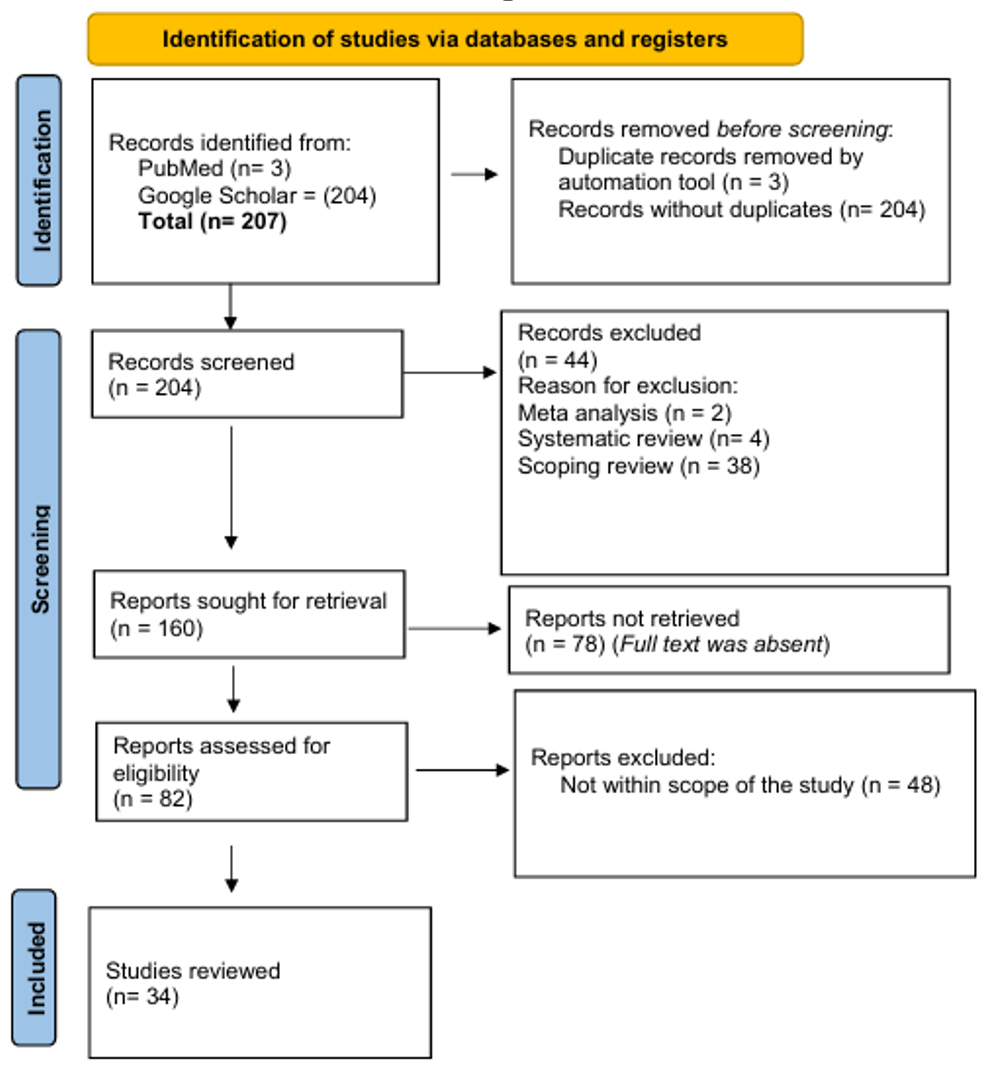
A comprehensive literature search was conducted between January 2014 to December 2024. The following electronic databases were systematically searched: PubMed/MEDLINE and Google Scholar. Grey literature sources, including reports from the Nigeria Centre for Disease Control and Prevention (NCDC), World Health Organization (WHO), and relevant conference proceedings, were also examined. Key search terms were combined using Boolean operators. The primary search string included: (“Lassa fever” OR “Lassa virus” OR LASV) AND (“abattoir” OR “slaughterhouse” OR “slaughter slab” OR “rodent” OR “Mastomys natalensis“). Additional hand-searching was performed on the reference lists of included articles and relevant review papers to identify studies missed by electronic searches.
Inclusion and exclusion criteria
The inclusion criteria used to select articles for the narrative synthesis include the following: Covered topics such as epidemiology, virology, transmission dynamics, or zoonotic aspects of Lassa fever in West Africa; considered occupational risk factors for Lassa fever in abattoirs, slaughterhouses, and meat processing facilities; considered rodent management, biosecurity, One Health approaches, or surveillance strategies relevant to abattoirs; and were written in English or had English translation versions available. Studies that were only clinical case reports lacking an epidemiological component; that did not cover abattoirs or meat-related workplaces; and that did not pertain to the West African context were excluded from the review.
Title and abstracts of all articles identified through searches were evaluated independently by two reviewers. Full texts of potentially relevant articles were subsequently checked for eligibility. All disagreements between reviewers were sorted out through discussion or consultation with a third party. A total of 34 articles were included in the narrative synthesis. Since this is a narrative review, no specific tools to assess the quality of studies were used. Nonetheless, preference was made for peer-reviewed journals and official reports published by reliable agencies as well as studies with a detailed description of their methodology.
Epidemiology of Lassa Fever in West Africa
The Lassa virus (LASV), a member of the Arenaviridae family, is the cause of Lassa fever [5]. Due to its prior outbreak throughout most of West Africa, including Nigeria, Sierra Leone, Liberia, and Guinea, Lassa fever, which causes hemorrhagic fever, can be considered endemic rather than emerging [6]. Eighty percent (80%) of Lassa virus infections manifest as asymptomatic or as a mild sickness, which is closely linked to other endemic diseases, including malaria and typhoid fever, according to new antibody seroprevalence data from West African countries [7]. Only roughly 20% of people will have a serious illness, despite the fact that hundreds of thousands of cases occur each year [8]. The majority of human-to-human transmission of the Lassa fever virus occurs through contact with or handling of infected bodily fluids. The last pathway involves coming into contact with urine, feces, and saliva excreted by the rodent host Mastomys natalensis, as demonstrated by the 2018 Lassa fever outbreak in Nigeria [9]. Although instances can occur year-round, research indicates that Lassa fever has a seasonal distribution. According to Akhmetzhanov [10], it primarily happens in West Africa during the rainy season, which lasts from May to November and is characterized by brief, frequent downpours. Although it has been noted to happen during the dry season, this increased prevalence may be the result of rodents being forced into homes during the dry season owing to reduced available food in the bushes, thus rodent enter homes to food, this activity increases the likelihood of human coming into contact with rodent’s urine [11]. The risk of virus transmission rises with more human-rodent contact [12]. There is no discernible pattern in the distribution of age and sex, while occasional outbreaks may disproportionately impact one sex in a given nation [13]. Disparities in reporting, geography, different surveillance system levels, patient types, and comorbidity with other diseases are the main factors influencing its frequency [14]. Pregnancy-related Lassa fever can cause the mother to die quickly, particularly in the third trimester.
The first documented incidence of Lassa fever occurred in Jos, Nigeria, in 1969; each nation experiences outbreaks to varying degrees [15]. Lassa fever spread to numerous metropolitan centers and the communities surrounding Jos during the 1970s and early 1990s. Sporadic exposure was noted in the states of Edo and Ondo in the 2000s, with dozens to hundreds of cases reported across Nigeria [16]. The Nigeria Center for Disease Control (NCDC) reported 244 fatalities and 1181 confirmed cases in 2020. Characterizing the seroprevalence of Lassa fever in Nigeria has been made easier by passive surveillance between outbreaks [15]. The seroprevalence varied from 27.2% in Nasarawa to 1.3% in Borno state. The highest endemicity of Lassa fever worldwide is seen in Sierra Leone’s Eastern Province [15].
Outbreaks in Panguma and Segbwema with case-fatality rates as high as 75% followed the first cases in 1972. Studies on seroprevalence revealed that 26% of the population had antibodies [17]. Control efforts were hampered by the civil war, which also raised exposure. Lassa fever is still common; instances have been documented up until 2025. On the other hand, Lassa fever is endemic in Liberia, which is highly wooded and borders Guinea, Sierra Leone, and Côte d’Ivoire, particularly in the north-central and northwest [18]. In 1972, Zorzor experienced the first outbreak [15]. In the 1980s, seroprevalence varied between roughly 1.9% and 6.4%. A significant case-fatality rate (~30%) among confirmed patients was noted in recent data from 2022–2023 [19].
Additionally, Guinea, the biggest nation in the Mano River Union, is situated between Sierra Leone and Liberia and has vast areas of tropical forest along those borders [20]. A hotspot for Lassa fever is created by these wooded areas. In forest/savannah zones, seroprevalence studies conducted in the 1990s revealed up to 55% IgG positive; subsequent investigations in southern forest areas continued to indicate high rates [21]. In 2020–2024, a network of VHF laboratories found 34 Lassa cases, predominantly in the woodland area, with a death rate of about 59%. Eight confirmed cases and seven fatalities (88% CFR) were part of an outbreak in April 2022 [22].
Lassa fever virology and transmission pathways
Lassa fever is an acute viral hemorrhagic illness caused by Lassa virus, an arenavirus first identified in Nigeria in 1969. The disease is endemic in West Africa, particularly in Nigeria, Sierra Leone, Liberia, and Guinea, where it contributes significantly to public health burdens through persistent outbreaks, high morbidity, and nosocomial transmission [3,25]. Lassa virus is an enveloped, single-stranded, ambisense RNA virus belonging to the family Arenaviridae, genus Mammarenavirus [26]. Its genome consists of two segments: the small (S) segment, which encodes the nucleoprotein (NP) and glycoprotein precursor (GPC), and the large (L) segment, which encodes the RNA-dependent RNA polymerase (L protein) and matrix Z protein [27]. The GPC is cleaved into GP1 and GP2, which form viral spikes that facilitate attachment and fusion with host cells [28]. The virus primarily uses α-dystroglycan (α-DG) as a cellular receptor, allowing entry into diverse cell types, including endothelial cells and macrophages [28]. Following entry, viral replication occurs in the cytoplasm, where NP and Z proteins suppress interferon responses, facilitating viral replication and immune evasion [29]. Pathogenesis involves capillary leakage, immune dysregulation, and multi-organ impairment, although massive hemorrhage is less common than in some other viral hemorrhagic fevers [30].
The primary reservoir host is the multimammate rodent (Mastomys natalensis), which can carry the virus asymptomatically and shed it in urine, feces, and other secretions [31,32]. Its wide distribution and close association with human dwellings increase opportunities for human exposure [33]. Environmental factors and land-use patterns may also influence the distribution of rodent hosts and Lassa virus transmission risk [34]. Transmission occurs primarily through zoonotic spillover following exposure to infected rodent excreta or contaminated food and household materials, as well as through contact with infected rodents [26,31]. Human-to-human transmission occurs through direct contact with the blood or other bodily fluids of infected individuals and is particularly important in healthcare settings where appropriate personal protective equipment (PPE) and infection prevention and control (IPC) measures are lacking [3,26]. Lassa virus may persist in semen for months after recovery, although documented sexual transmission remains limited [30]. Maternal-fetal transmission can result in severe adverse pregnancy outcomes, including fetal loss and maternal complications, particularly during the third trimester [3,25].
Due to its complex virology and multiple transmission pathways, Lassa fever remains a critical public health threat. Zoonotic exposure continues to drive transmission, while weaknesses in healthcare systems can increase the risk of nosocomial spread. Effective control requires strengthened rodent control, improved environmental sanitation, rapid diagnostic capabilities, and strict adherence to IPC protocols. Continued virological and epidemiological research is also needed to support the development of effective vaccines and antiviral therapies for populations in endemic areas.
Link between abattoirs and zoonotic disease exposure
Abattoirs are facilities where animals from diverse sources converge, are slaughtered, processed, and distributed as food. These activities generate massive quantities of blood, viscera, aerosols, and waste, creating ideal conditions for zoonotic pathogen spillover from animals to workers and eventually the community [33]. Globally, about 80% of emerging infectious diseases in humans are zoonotic, and occupational environments like abattoirs are identified as amplification points for pathogens with epidemic or pandemic potential [34]. A literature review from West Africa identified abattoirs as potential sentinel sites for Lassa fever surveillance, noting human-animal-environment interactions that amplify pathogen spillover [35]. Workers are exposed to zoonotic diseases through direct contact with infected tissues, inhalation of bioaerosols, percutaneous injuries, or indirect contact with contaminated fomites and environments. In low- and middle-income countries like Nigeria, the risk of disease transmission is increased due to poor infrastructure, inadequate personal protective equipment (PPE), and limited biosafety training [36]. Understanding the role abattoir operations play in the contribution to zoonotic exposure is essential for designing effective public health interventions, preventive measures, and surveillance systems. This section examines the generic mechanisms that make abattoirs high-consequence sites for multiple zoonotic disease exposures.
There are several routes of zoonotic disease transmission in abattoirs. The most common route is via direct contact by workers with infected animals, tissues, or body fluids, and examples of diseases implicated include brucellosis, anthrax, leptospirosis, and avian influenza [34,37]. During high-pressure hosing, sawing, or hide removal infectious droplets or spores are generated and transmitted via aerosolization; diseases like influenza viruses, Q fever (Coxiella burnetii), hepatitis E virus (HEV) or even anthrax can be transmitted through this route [38]. Percutaneous exposure through cuts or needle-stick injuries is a major route for Crimean–Congo hemorrhagic fever virus and streptococcal zoonoses [36]. Indirect transmission occurs via contaminated knives, hooks, floors, or water, which sustains pathogens such as Salmonella, Campylobacter, and hepatitis E [37]. Rodent-infested abattoirs additionally facilitate the transmission of arenavirus (e.g., Lassa) and hantavirus spillover through urine contamination of equipment and the environment, leading to outbreaks [36]. Overcrowding, mixing of species, and inappropriate waste disposal create a cycle that increases both the prevalence and diversity of zoonotic agents to which workers are exposed [34].
Meta-analyses reveal elevated risks for brucellosis (OR 3.1–7.6), Q fever (OR 4.2), leptospirosis (OR 2.8), and HEV (OR 2.9–4.5) among abattoir workers. There is higher seroprevalence and incidence of multiple zoonoses amongst abattoir workers compared with the general population [38, 39]. The risk of zoonotic disease transmission in low-resource settings is compounded by low PPE usage (<30% in some African and Asian studies), informal employment, piece-rate payment, prioritizing speed over safety, and limited access to occupational health services [36]. Amongst abattoir workers, conditions like HEV, Lassa, and influenza appear as subclinical or mild infections and are usually unrecognized; they allow infected workers to serve as a link between the abattoir, households, and communities, causing a spread of these diseases to the public and the emergence of outbreaks [34]. Outbreak investigations repeatedly trace community clusters of anthrax, CCHF, and avian influenza to abattoir workers, emphasizing the sentinel role of abattoirs in surveillance [33].
Abattoirs represent critical yet underutilized areas for zoonotic disease surveillance and early warning. Spillover events can be detected earlier in abattoirs than in hospital-based systems by integrating routine serosurveillance, syndromic monitoring, and environmental sampling in slaughterhouses under a One Health framework [34, 40]. Strengthening occupational health programs, enforcing biosafety standards, and improving rodent control and waste management are cost-effective interventions with dual benefits for workers and community protection [33]. Addressing these gaps is essential to reduce the global burden of zoonotic diseases emanating from animal–human interfaces such as abattoirs.
Rodent activity and biosecurity in abattoirs
Rodent activity in abattoirs represents a major threat to biosecurity, food hygiene, and public health safety. Abattoirs by their nature are environments with abundant organic waste, moisture, and shelter, all of which attract rodents such as Rattus norvegicus, Rattus rattus, and Mus musculus [41]. These rodents are not merely nuisances; they are vectors of several zoonotic pathogens capable of contaminating meat and spreading diseases among workers and consumers. Inadequate sanitation, poor waste management, and insufficient structural maintenance within slaughterhouses create conducive habitats that facilitate rodent survival and proliferation [4]. The biosecurity implications of rodent infestation in abattoirs are profound. Rodents act as reservoirs for pathogens such as Leptospira spp., Salmonella spp., Listeria monocytogenes, and Yersinia enterocolitica [42]. These microorganisms can be transmitted to humans either through direct contact with rodent urine or feces or indirectly through contaminated equipment and meat surfaces. In the context of the meat industry, this contamination compromises food safety, leading to potential outbreaks of foodborne diseases. Moreover, rodents can spread ectoparasites such as fleas and mites, which may further transmit other infectious agents to animals and humans.
The economic and operational consequences of rodent activity are equally serious. Contamination of carcasses or meat products results in product losses, increased sanitation costs, and possible suspension of export certifications for facilities failing hygiene audits [43]. Structural damage to walls, electrical wiring, and packaging materials adds to maintenance costs and increases fire hazards. In addition, the presence of rodents in a slaughterhouse undermines public confidence and can lead to reputational damage that affects market access and long-term profitability. Maintaining strict biosecurity protocols is therefore essential for rodent prevention and control in abattoirs [45]. Biosecurity, in this context, refers to the strategic and integrated management of biological risks to prevent disease introduction and spread [44]. Effective rodent control begins with environmental management, reducing access to food, water, and shelter sources. Abattoirs must implement comprehensive cleaning routines that eliminate food residues and blood spills. Proper waste disposal systems are essential, including sealed waste bins and timely evacuation of organic materials to prevent rodent attraction.
Structural biosecurity also plays a crucial role. Buildings should be constructed and maintained using materials resistant to gnawing. Cracks, drainage holes, and ventilation ducts must be sealed with wire mesh or metal barriers. Doors and windows should close tightly, and drains must be designed to prevent rodent ingress. These structural interventions create a physical barrier that complements sanitation measures. Monitoring and early detection are critical for successful rodent management. Routine inspection for droppings, gnaw marks, and burrows helps identify early infestations. The use of traps and bait stations should follow a documented pest management plan, with regular data recording and evaluation. Integrated pest management (IPM) principles, which combine sanitation, structural maintenance, trapping, and safe chemical control, offer a sustainable approach to rodent [45].
Furthermore, training of abattoir staff is essential. Workers must understand the health implications of rodent infestations and their role in maintaining hygienic practices. Personal protective equipment (PPE), such as gloves and boots, should be used consistently, and cross-contamination between dirty and clean areas must be minimized. A culture of hygiene and accountability ensures that biosecurity is not just a policy but a daily operational standard. In conclusion, rodent activity in abattoirs undermines both food safety and public health through contamination, disease transmission, and economic losses. Strengthened biosecurity encompassing structural integrity, sanitation, monitoring, and education is indispensable in ensuring safe meat production. Preventing rodent infestations requires collective responsibility from management, workers, and regulatory authorities. Implementing these measures contributes to achieving sustainable, hygienic, and internationally compliant abattoir operations.
Public health implication
The presence of Lassa fever (LF) in abattoir settings carries substantial implications for public health, particularly in West Africa, where zoonotic transmission pathways and occupational exposures converge. LF is primarily transmitted from the rodent reservoir Mastomys natalensis to humans via urine or faeces, and human-to-human spread can occur in healthcare and high-contact occupational environments (World Health Organization, 2024). This makes abattoirs a critical interface for understanding potential early spillover events.
Firstly, abattoirs represent areas where human, animal, and environmental health overlap. Workers regularly handle carcasses, blood, organs, and waste material that could be contaminated by rodents, creating heightened exposure scenarios. A recent review emphasized that abattoirs are “overlooked” yet strategically positioned sentinel sites capable of amplifying LF spillover risks due to intense interspecies interactions [35]. In endemic regions like Nigeria, the national public health authority has highlighted LF as one of the highest-priority zoonotic threats and identified gaps in early detection in community and occupational settings, including slaughterhouses (Nigeria Centre for Disease Control, 2023). Therefore, incorporating abattoirs into surveillance frameworks could improve early outbreak detection, especially among high-risk occupational groups.
Secondly, the occupational health burden linked to LF exposure is significant. The NCDC reports that case-fatality rates among confirmed hospitalized cases in Nigeria may reach 15% or higher during outbreaks, particularly when diagnosis and supportive care are delayed [46]. Abattoir workers often lack adequate personal protective equipment, regular medical screening, and training in infection prevention. Consequently, an infected worker could serve as an entry point for secondary household or community transmission, adding strain to public health systems that are already challenged during LF outbreak periods.
Thirdly, abattoirs provide a unique opportunity to operationalize the One Health approach. Because they centralize large animal populations, materials, and waste streams, abattoirs can function as hubs for early detection of multiple zoonoses. Evidence from West Africa indicates they are underutilized for structured zoonotic surveillance, including LF monitoring [35]. This aligns with calls from broader zoonotic surveillance studies showing that slaughterhouses are high-risk environments for pathogen transmission and should be considered strategic surveillance points. Strengthening surveillance systems, including rodent control, environmental monitoring, and routine worker screening, would reduce detection delays and improve outbreak preparedness.
Fourthly, the consequences of LF transmission in abattoirs extend beyond individual cases to wider public health and economic implications. LF outbreaks result in significant health-system expenditure for diagnostics, patient care, and infection control infrastructure, while also disrupting productivity and food supply systems [47]. Considering that abattoirs support livelihoods, food security, and market stability, operational disruptions due to disease transmission threaten economic resilience in affected communities.
Lastly, targeted and context-appropriate interventions are essential. Although awareness of zoonotic risk exists in some livestock value chains, qualitative studies indicate that practical constraints, cultural norms, and limited resources often prevent consistent adoption of protective behaviors among workers exposed to animals and animal products [48]. Moreover, regional epidemiological reviews have confirmed persistent circulation of LF in West Africa and emphasized the role of occupational risk factors in sustaining transmission patterns [7]. Therefore, improving worker safety requires not only infrastructure upgrades and hygiene protocols but also behavioral change communication, supportive supervision, and incentive-based compliance strategies.
In summary, the public health implications of Lassa fever exposure in abattoirs are multifaceted: occupational vulnerability among workers, sentinel value for surveillance, economic and food security implications, and the critical need for One Health-aligned preventive interventions. Without strengthening occupational safety, surveillance and awareness in these high-risk environments, abattoirs will remain overlooked drivers of hidden LF transmission chains, thereby potentially undermining national and regional outbreak preparedness efforts.
Recommendations for prevention and control
A coordinated approach to prevention and control of Lassa fever in abattoirs requires strengthening practices across animal handling, facility management, worker behaviour, and local health systems. The goal is to reduce human–rodent contact, interrupt environmental contamination with rodent excreta, and improve early detection of possible cases among workers and animals entering slaughter points [49, 50]. The following recommendations draw on practical, low-cost strategies that can be integrated into routine abattoir operations in endemic area.
The first priority is the establishment of strict biosecurity protocols tailored to the realities of abattoirs where rodents are common. Facilities should implement daily cleaning schedules, covering slaughter floors, lairage areas, waste points, and storage rooms [51]. Particular emphasis should be placed on proper disposal of offal and waste blood, as these materials attract rodents. Waste pits should be covered, emptied regularly, and located away from main working zones. Floors and surfaces must be washable and kept dry to reduce the likelihood of contamination with rodent urine. Regular repairs of cracks, holes, and broken drainage systems are essential to prevent rodent harbourage [49].
Strengthening rodent control systems is equally important. Abattoirs should coordinate with environmental health officers to set up sustainable rodent management plans, including trapping, safe baiting, and habitat reduction. Food-storage spaces must be redesigned to use airtight metal containers rather than sacks. Workers should be encouraged to avoid eating inside processing areas, as leftover food attracts rodents [49,52]. Where possible, abattoirs should install rodent-proof doors, raised platforms for storage, and mesh screens on windows. Routine monitoring of rodent activity, such as checking for droppings and nesting sites should be assigned to a designated officer and documented weekly [53].
Another key recommendation is improvement of personal protective practices. Workers must receive clear instructions on consistent use of gloves, aprons, boots, and face shields during all stages of slaughter and processing. These items should be provided in adequate quantities and replaced when worn out. Training should emphasize the risks associated with handling carcasses, cleaning blood spills with bare hands, or sleeping overnight in abattoir buildings [49]. Hand-washing stations with running water, soap, and disposable towels should be placed at strategic points, with mandatory use before eating or leaving the premises [3]. Alcohol-based hand rubs can provide an alternative where water access is unreliable.
Health education and continuous awareness creation are necessary to ensure behavior change. Abattoir workers, meat vendors, transporters, and cleaners should participate in routine training sessions led by local health authorities. These sessions should cover signs of Lassa fever, transmission pathways, early reporting of symptoms, and appropriate response steps. Practical demonstrations on cleaning, waste disposal, and PPE use improve retention [3, 54]. Supervisors should reinforce messages during daily briefings and maintain a culture of safety rather than punishment.
Collaboration between veterinary services, public health teams, and abattoir leadership should be formalized [47]. A One Health committee at the abattoir level can coordinate surveillance, share information on rodent activity, identify lapses in hygiene, and report suspected cases quickly [55]. Integration of abattoirs into community-based surveillance systems help capture early warning signals when unusual fevers occur among workers. Routine temperature screening and basic health checks can be incorporated at the start of work shifts, especially during high-risk seasons.
Structural improvements should also be pursued where feasible. Abattoirs should ensure adequate ventilation, sufficient lighting, and separation of clean and dirty zones. Water supply must be stable and safe, with clear drainage to avoid stagnant pools [49]. Raised slaughter tables reduce contact with contaminated floors. Where funds allow, redesigning facilities to reduce dark corners and cluttered storage areas contributes significantly to rodent control [47].
Finally, supportive policies at local and national levels should reinforce these measures. Regulatory agencies should enforce minimum hygiene standards, conduct periodic inspections, and provide technical guidance to abattoirs struggling with compliance [35,55]. Incentives such as recognition awards or small grants can motivate abattoir managers to invest in rodent-proofing and sanitation upgrades. Community engagement is also important, as informal meat traders and surrounding residents influence overall environmental hygiene around the facility [55].
Prevention and control in abattoirs depend on consistent, realistic actions that fit local contexts. Strengthening biosecurity, reducing rodent presence, improving personal protection, enhancing training, and building stronger institutional coordination form the core of sustainable risk reduction for Lassa fever exposure.
This comprehensive review has systematically analyzed the convergence of epidemiological, environmental, and occupational factors that position abattoirs as critical, yet consistently overlooked, interfaces for Lassa virus (LASV) spillover and transmission in West Africa. The persistence of Lassa fever as a major public health burden in endemic countries like Nigeria, Sierra Leone, Liberia, and Guinea is intrinsically linked to the dynamics of its primary reservoir, the Mastomys natalensis rodent, and the ecological niches it exploits. Our findings unequivocally highlight that the unsanitary and structurally inadequate conditions prevalent in many regional slaughterhouses, characterized by abundant organic waste, moisture, and shelter, create an ideal, high-risk environment for rodents to thrive and contaminate work surfaces, equipment, and meat products with urine and feces. The review establishes that abattoir workers face a severe, under-recognized occupational health hazard. Their routine and unprotected exposure to animal tissues, blood, and bioaerosols, compounded by low compliance with Personal Protective Equipment (PPE) use and minimal biosafety training, places them at a significantly elevated risk of zoonotic infection. Beyond the risk to individual workers, this occupational vulnerability has profound public health consequences. An infected abattoir worker can inadvertently serve as the index case, introducing the virus into households, communities, and secondary healthcare settings, thereby creating new transmission chains and fueling outbreaks that strain already limited public health resources. Crucially, this paper argues for the strategic reconceptualization of abattoirs as sensitive sentinel sites within national surveillance frameworks. Given their centrality in the human–animal–environment interface, these facilities offer a unique and strategic advantage for the early detection of circulating Lassa virus, potentially preceding the identification of cases through traditional, often delayed, hospital-based surveillance systems. Integrating routine syndromic monitoring, serosurveillance among workers, and environmental sampling for Lassa virus within abattoirs would significantly shorten the detection-to-response interval, enhancing outbreak preparedness and control efforts.
The pathway forward is inherently multisectoral, demanding a decisive operationalization of the One Health approach. Sustained Lassa fever mitigation will not be achieved through isolated veterinary or human health initiatives. Instead, it requires formalized, inter-institutional collaboration between public health authorities, veterinary services, and abattoir management teams. The recommendations put forth are practical and context-appropriate, emphasizing the need for 1) rigorous, daily enforced biosecurity protocols and waste management; 2) sustainable Integrated Pest Management (IPM) focused on habitat reduction and physical barriers to rodent access; 3) mandatory provision and consistent use of appropriate PPE; and 4) continuous health education and worker-centric surveillance. The abattoir environment is a potent, yet manageable, driver of Lassa fever risk. While we argue that the interventions proposed are likely cost-effective, formal cost-effectiveness analyses are needed to guide resource allocation and prioritization among competing public health interventions. By shifting the perspective from viewing these facilities merely as contamination sources to recognizing their value as critical sentinel sites, policymakers and public health leaders can implement targeted, cost-effective interventions. Strengthening occupational safety and surveillance in abattoirs is essential to interrupt hidden Lassa virus transmission chains, protect vulnerable populations, ensure food security, and ultimately contribute meaningfully to the prevention and control of Lassa fever throughout endemic regions of West Africa. Further field-based research, including seroprevalence studies among abattoir workers and longitudinal environmental monitoring, is strongly recommended to validate this sentinel site potential and guide evidence-based policy implementation.
Finally, this narrative review has some notable limitations. A major constraint is the scarcity of published studies that directly demonstrate the presence of Lassa virus (LASV) in rodents captured within abattoir environments or confirm active transmission from rodents to abattoir workers through contaminated meat, surfaces, or bioaerosols. While several studies have documented the role of Mastomys natalensis as the primary reservoir of Lassa virus and highlighted the poor sanitary conditions and high rodent activity in many West African abattoirs, direct evidence linking abattoir-based rodent infestation to confirmed Lassa fever cases among workers remains limited. Consequently, the assertion that the presence of rodents in abattoirs significantly predisposes workers and equipment to Lassa virus infection is based largely on indirect evidence, ecological reasoning, and extrapolation from known transmission pathways of the virus in other settings. This represents an important assumption underlying the sentinel site concept proposed in this review.
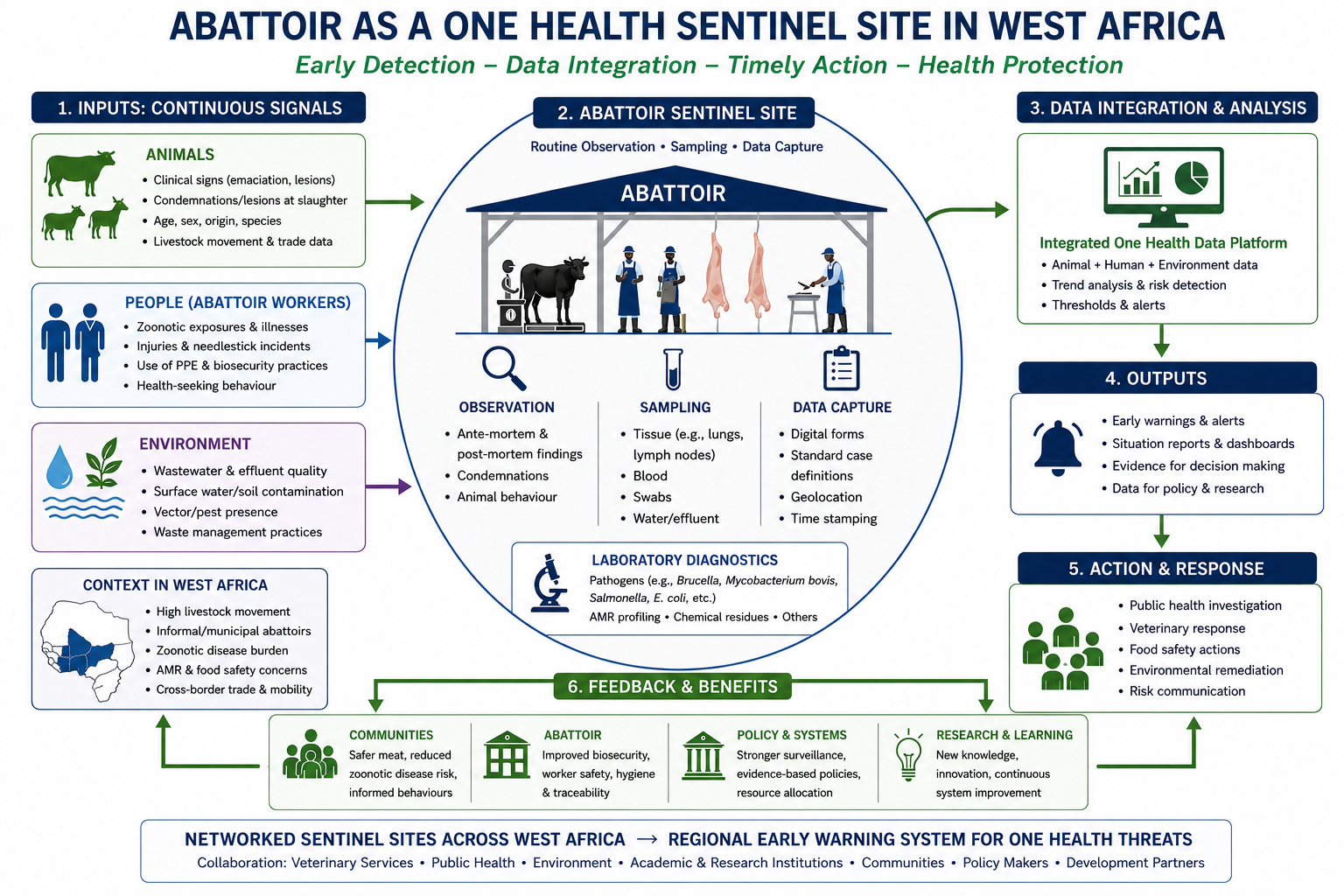
A proposed abattoir sentinel surveillance framework could include:
What is already known about the topic
What this study adds
The authors wish to thank the academic and research support staff at the Abattoir, Nile University of Nigeria, the University of Abuja, and Ahmadu Bello University for providing the necessary institutional infrastructure to complete this comprehensive review. This review received no specific grant from any funding agency in the public, commercial, or not-for-profit sectors.
The following authors contributed substantially to the conception, design, drafting, and final approval of this review
Akanbi-Hakeem Hauwa Bolanle: Initiated the original concept and structure of the review. Provided critical oversight and project administration. Was responsible for drafting the Abstract, the full Conclusion section, and performing the final, comprehensive review of the entire manuscript for scientific accuracy and coherence.
Mobolaji Abdulateef Ayoola: Conducted extensive epidemiological literature review, drafted the full section on the Epidemiology of Lassa Fever in West Africa, and provided major support with the final review and overall collation of the complete manuscript for scientific accuracy and coherence.
Shaaba Judah Egba: Conducted the foundational literature search on public health significance and drafted the complete Introduction section, establishing the problem statement and rationale for the review.
Terese Gabriel Orum: Synthesized the preventive literature and drafted the detailed section on Recommendations for Prevention and Control, focusing on practical, One Health solutions for the abattoir setting.
Ibrahim Yahaya: Analyzed the broader implications of abattoir-based transmission, drafting the complete section on Public Health Implications, covering surveillance value and economic impact.
Hembafan Liz-marie Allam: Focused on the human-animal interface, drafting the comprehensive section on the Link Between Abattoirs and Zoonotic Disease Exposure, including routes of pathogen spillover and occupational risk factors.
Salawudeen Mukhtar Oluwasesan: Performed the focused review on environmental and safety literature, drafting the section on Rodent Activity and Biosecurity in Abattoirs, including specific control measures (IPM).
Zachariya Esther: Conducted a specialized literature review on the Lassa virus structure and biology, and drafted the complete section on Lassa Fever Virology and Transmission Pathways, detailing zoonotic and human-to-human routes.
All authors contributed to the critical review and editing of all sections and read and approved the final manuscript.