
Research | Open Access | Volume 9 (4): Article 176 | Published: 03 Nov 2026

Views: 28
Menu, Tables and Figures
Table 1: Characteristics of breast cancer cases and controls (N = 285)
| Characteristic | Cases (n=143) | Controls (n=142) | p-value |
|---|---|---|---|
| Mean age (years) | 49.6 ± 10.0 | 49.4 ± 8.8 | 0.82 |
| Married | 115 (80.4%) | 93 (65.5%) | 0.017a |
| Tertiary education | 17 (11.9%) | 8 (5.6%) | 0.288b |
| Mean BMI (kg/m²) | 28.1 ± 3.7 | 24.3 ± 3.4 | <0.001 |
| Previously diagnosed T2DM (yes) | 64 (44.8%) | 21 (14.8%) | <0.001 |
| Family history of breast cancer | 42 (29.4%) | 26 (18.3%) | 0.028 |
| Alcohol consumption (yes) | 32 (22.4%) | 13 (9.2%) | 0.002 |
| Hormonal contraceptive use (ever) | 57 (39.9%) | 38 (26.8%) | 0.019 |
| Mean HbA1c (%) | 6.89 ± 0.75 | 5.82 ± 0.71 | <0.001 |
| HbA1c >6.5% | 94 (65.7%) | 22 (15.5%) | <0.001 |
Values are mean ± SD or n (%). p-values from independent-samples t-test (continuous) or Pearson’s chi-square test (categorical).
Table 1: Characteristics of breast cancer cases and controls (N = 285)
Table 2: Association between HbA1c and breast cancer: crude and adjusted odds ratios (Model B)
| Variable | Cases n (%) | Controls n (%) | Crude OR (95% CI) | Adjusted OR (95% CI)a |
|---|---|---|---|---|
| HbA1c ≤6.5% | 49 (34.3) | 120 (84.5) | 1.00 (reference) | — |
| HbA1c >6.5% | 94 (65.7) | 22 (15.5) | 10.46 (5.91–18.52) | — |
| HbA1c, per 1-percentage-point increase (N = 285) | 7.86 (4.85–12.76) | 9.30 (5.14–16.83) | ||
| HbA1c, per 1-percentage-point increase, women without previously diagnosed T2DM (n = 200)b | 6.61 (3.84–11.41) | 6.52 (3.36–12.65) | ||
| BMI, per 1 kg/m² | 1.45 (1.29–1.62) | |||
| Family history of breast cancer (yes) | 2.91 (1.23–6.90) | |||
| Alcohol consumption (yes) | 3.15 (1.08–9.23) | |||
| Hormonal contraceptive use (yes) | 1.51 (0.72–3.21) | |||
| Education (per level) | 1.44 (0.86–2.40) | |||
| Marital status (per category) | 1.65 (0.80–3.43) |
a Model B: all variables shown entered simultaneously; previously diagnosed T2DM was not included to avoid over-adjustment for glycemic status. Hosmer–Lemeshow χ² = 11.91, df = 8, p = 0.155; Nagelkerke R² = 0.670. — not estimated.
b Sensitivity analysis excluding women with previously diagnosed T2DM (79 cases, 121 controls), adjusted for the same covariates; Hosmer–Lemeshow χ² = 7.58, df = 8, p = 0.475; Nagelkerke R² = 0.639.
Abbreviations: OR, odds ratio; CI, confidence interval; T2DM, type 2 diabetes mellitus; BMI, body mass index; HbA1c, glycated hemoglobin.
Table 2: Association between HbA1c and breast cancer: crude and adjusted odds ratios (Model B)
Table 3: Factors associated with breast cancer: multivariable logistic regression (Model A, N = 285)
| Factor | Adjusted OR (95% CI) | p-value |
|---|---|---|
| Previously diagnosed T2DM (yes) | 5.62 (2.80–11.27) | <0.001 |
| Alcohol consumption (yes) | 4.04 (1.71–9.57) | 0.001 |
| Family history of breast cancer (yes) | 2.74 (1.34–5.59) | 0.006 |
| Hormonal contraceptive use (yes) | 2.15 (1.14–4.06) | 0.018 |
| BMI (per 1 kg/m² increase) | 1.39 (1.27–1.52) | <0.001 |
| Age (per year) | 1.00 (0.97–1.03) | 0.980 |
Hosmer–Lemeshow χ² = 6.47, df = 8, p = 0.595; Nagelkerke R² = 0.469; 76.1% correctly classified.
HbA1c was modelled separately to avoid over-adjustment for glycemic status (see Table 2); collinearity diagnostics are given in Tables 4 and 5.
Abbreviations: OR, odds ratio; CI, confidence interval; T2DM, type 2 diabetes mellitus; BMI, body mass index.
Table 3: Factors associated with breast cancer: multivariable logistic regression (Model A, N = 285)
Table 4: Summary of multicollinearity diagnostics
| Model | Predictors | VIF range | Highest VIF (tolerance) | Maximum condition index | Collinearity |
|---|---|---|---|---|---|
| Model A (risk-factor model) | T2DM, family history, alcohol, contraceptive use, age, BMI | 1.01–1.03 | BMI 1.03 (0.968) | 21.2 | None |
| Model B (HbA1c model) | HbA1c, BMI, family history, alcohol, contraceptive use, education, marital status | 1.01–1.10 | HbA1c 1.10 (0.912) | 25.9 | None |
| HbA1c and T2DM together | Model B predictors + T2DM | 1.01–1.13 | HbA1c 1.13 (0.886); T2DM 1.06 (0.940) | 27.2 | None |
VIF, variance inflation factor. Problematic collinearity was defined as VIF ≥5, or a condition index >30 with ≥2 predictors having variance proportions >0.50. In all models, condition indices >10 loaded on the intercept with HbA1c and/or BMI (uncentered continuous covariates). Correlation between HbA1c and previously diagnosed T2DM: r = 0.197, p < 0.001 (N = 285).
Table 4: Summary of multicollinearity diagnostics
Table 5: Variance inflation factors by predictor
| Predictor | Model A | Model B | HbA1c and T2DM together |
|---|---|---|---|
| HbA1c | — | 1.10 | 1.13 |
| Previously diagnosed T2DM | 1.03 | — | 1.06 |
| BMI | 1.03 | 1.05 | 1.07 |
| Family history of breast cancer | 1.01 | 1.01 | 1.01 |
| Alcohol consumption | 1.01 | 1.02 | 1.02 |
| Hormonal contraceptive use | 1.01 | 1.03 | 1.03 |
| Age | 1.02 | — | — |
| Education level | — | 1.01 | 1.02 |
| Marital status | — | 1.02 | 1.02 |
— not in model. Tolerance = 1/VIF; all tolerances ≥0.886.
Table 5: Variance inflation factors by predictor
Herbert Waitindi Kibebe1,2,&, Eric Muchiri1, Maryjoy Kaimuri2
¹Department of Public Health, School of Health Sciences, Meru University of Science and Technology, Meru, Kenya, ²Department of Medical Laboratory Science, Kenya Methodist University, Kenya
&Corresponding author: Herbert Waitindi Kibebe, Department of Public Health, School of Health Sciences, Meru University of Science and Technology P.O. Box 972-60200, Meru, Kenya, Email: herbert.kibebe@kemu.ac.ke ORCID: https://orcid.org/0009-0007-4298-2005
Received: 13 May 2026, Accepted: 27 Oct 2026, Published: 03 Nov 2026
Domain: Cancer Epidemiology
Keywords: Hyperglycemia, HbA1c, breast cancer, inflammation, case-control study, Kenya, Diabetes Mellitus, Type 2
©Herbert Waitindi Kibebe et al. Journal of Interventional Epidemiology and Public Health (ISSN: 2664-2824). This is an Open Access article distributed under the terms of the Creative Commons Attribution International 4.0 License (https://creativecommons.org/licenses/by/4.0/), which permits unrestricted use, distribution, and reproduction in any medium, provided the original work is properly cited.
Cite this article: Herbert Waitindi Kibebe et al., Glycated haemoglobin and breast cancer among women evaluated for breast masses in Meru County, Kenya: A hospital-based case-control study. Journal of Interventional Epidemiology and Public Health. 2026; 9(4):176. https://doi.org/10.37432/jieph-d-26-00151
Introduction: The dual burden of type 2 diabetes mellitus (T2DM) and breast cancer is rising in low- and middle-income countries, including Kenya. Chronic hyperglycemia and the low-grade inflammation that accompanies it may link the two conditions. We examined the association between glycated haemoglobin (HbA1c) and breast cancer among women evaluated for breast masses at a Kenyan referral hospital.
Methods: This hospital-based case-control study at Meru Teaching and Referral Hospital enrolled 285 women: 143 with histologically confirmed breast cancer and 142 age-matched controls with benign breast masses from the same referral pathway. Data on hormonal, hereditary and lifestyle factors were collected by structured questionnaire; body mass index (BMI) and HbA1c were measured at enrolment. Multivariable logistic regression estimated adjusted odds ratios (aORs), with HbA1c and previously diagnosed T2DM modelled separately to avoid over-adjustment. Collinearity diagnostics, a sensitivity analysis excluding women with diagnosed T2DM, and receiver operating characteristic (ROC) analysis were performed.
Results: HbA1c >6.5% was present in 65.7% (94/143) of cases and 15.5% (22/142) of controls (OR = 10.46; 95% CI: 5.91–18.52). Each 1-percentage-point increase in HbA1c was associated with higher odds of breast cancer after adjustment for BMI, family history, alcohol consumption, hormonal contraceptive use, education and marital status (aOR = 9.30; 95% CI: 5.14–16.83), including among women without diagnosed T2DM (aOR = 6.52; 95% CI: 3.36–12.65). Previously diagnosed T2DM (aOR = 5.62; 95% CI: 2.80–11.27), alcohol consumption (aOR = 4.04; 1.71–9.57), family history (aOR = 2.74; 1.34–5.59), hormonal contraceptive use (aOR = 2.15; 1.14–4.06) and BMI (aOR = 1.39 per kg/m²; 1.27–1.52) were also associated with breast cancer. No multicollinearity was detected (all VIFs ≤1.13). At the 6.5% cut-point, HbA1c showed moderate discrimination (AUC = 0.751; sensitivity 65.7%; specificity 84.5%).
Conclusion: Elevated HbA1c was strongly associated with breast cancer in this Kenyan referral setting. Because HbA1c was measured at diagnosis, temporality cannot be inferred, and its moderate discriminatory ability does not support its use for breast cancer screening. Routine assessment and management of glycemic status among women diagnosed with breast cancer is warranted, and prospective studies are needed.
Diabetes mellitus (DM) is a common and serious global health problem associated with rapid social and cultural changes, including population aging, urbanization, dietary shifts, reduced physical activity, and unhealthy behaviors [1]. More than 500 million adults worldwide live with diabetes, including approximately 24 million in Africa, a figure projected to more than double by 2045 [1]. In Kenya, diabetes prevalence is documented at approximately 4%, although under-reporting is likely due to limited screening and diagnostic capacity [1,2]. Concurrently, cancer incidence and mortality are rising sharply in low- and middle-income countries (LMICs), where cancer ranks as the third leading cause of death after infectious and cardiovascular diseases [3]. In Kenya, cancer accounts for approximately 7% of overall national mortality, with about 40,000 new cases diagnosed annually. Breast cancer is the leading cancer among women, followed by cervical cancer [2,4]. Late-stage presentation remains a major challenge, with 78% of Kenyan breast cancer cases diagnosed at stages II–IV, contributing to high mortality rates [2,4].
A substantial body of epidemiological and mechanistic evidence links diabetes and cancer. The American Diabetes Association and American Cancer Society have jointly recognized that diabetes, particularly through hyperglycemia and hyperinsulinemia, is associated with increased cancer risk and poorer prognosis [5]. Proposed biological mechanisms include the Warburg effect (aerobic glycolysis in cancer cells), chronic inflammation, insulin/IGF-1 signaling pathways, oxidative stress, and epigenetic modifications that promote tumor growth and progression [6,7].
Chronic inflammation provides a further, biologically plausible link between metabolic disease and cancer. Persistent inflammatory signalling promotes cellular proliferation, angiogenesis, genomic instability and immune evasion, and tumour-promoting inflammation is now regarded as an enabling characteristic of malignancy [8,9]. Inflammatory markers are altered in Hashimoto’s thyroiditis [10], rectal cancer [11], malignant thyroid nodules [12] and breast cancer [13]. Diabetes [14] and related metabolic conditions, including prediabetes [15], metabolic syndrome [16], obesity [17], metabolic dysfunction-associated steatotic liver disease (MASLD) [18] and cardiometabolic heart disease [19], are likewise characterised by increased systemic inflammation. Hyperglycaemia sustains this inflammatory state through the formation of advanced glycation end-products, activation of the receptor for advanced glycation end-products and nuclear factor-κB signalling, and increased secretion of interleukin-6 (IL-6) and tumour necrosis factor-α (TNF-α) [6,8]. A shared inflammatory milieu therefore offers a coherent rationale for investigating whether chronic hyperglycaemia is associated with breast cancer, particularly in settings where metabolic disease is rising rapidly and is frequently undiagnosed.
Glycated haemoglobin (HbA1c), which reflects average blood glucose over the preceding 8–12 weeks, is a reliable marker of long-term hyperglycaemia and has been associated with breast cancer and adverse tumour characteristics in several populations [20,21]. However, most evidence originates from high-income countries, and data from sub-Saharan Africa, where the dual burden of rising T2DM and late-stage breast cancer is particularly pronounced, remain limited [22,23]. Hospital-based studies in LMICs frequently report higher comorbidity rates than population-based estimates, underscoring the need for context-specific research [24]. This analysis addresses a specific question: whether the association between HbA1c and breast cancer persists after adjustment for hormonal, hereditary, lifestyle and sociodemographic factors, when HbA1c and diagnosed diabetes are modelled separately, and among women without diagnosed diabetes. The findings are intended to inform integrated metabolic and cancer care in resource-constrained African settings.
Study site
The study was conducted at Meru Teaching and Referral Hospital (MeTRH), a 389-bed facility that is the principal referral centre for cancer care in Meru County and also serves the neighbouring Tharaka-Nithi and Isiolo counties. Data collection occurred in the pathology department, to which women with breast masses are referred for diagnostic cytology or biopsy.
Study design
This was a hospital-based case-control study with an approximately 1:1 case-to-control ratio. Participants were recruited consecutively over a six-month period (February–July 2024). The study is reported in accordance with the STROBE guidelines for case-control studies [25].
Study population, inclusion and exclusion criteria
Participants were women aged ≥18 years referred for FNAC or biopsy due to breast masses. Cases were women with histologically confirmed primary breast carcinoma of any stage, enrolled at diagnosis. Controls were women from the same referral pathway whose breast mass was confirmed as benign by cytology (C1–C2) and/or histology, with no history of breast cancer; controls with indeterminate or suspicious cytology (C3–C5) were referred for biopsy and classified according to the histological diagnosis. Controls were frequency-matched to cases by age (±5 years). Women who were pregnant or lactating, had type 1 diabetes mellitus, had a known malignancy at another site, or could not provide informed consent were excluded.
Rationale for the choice of controls
Controls were drawn from women with benign breast masses who passed through the same clinical and diagnostic pathway as the cases. These women arise from the same source population (the hospital’s referral base for breast complaints), were evaluated with the same diagnostic procedures, and were interviewed and tested at the same point in their care, which reduces differential exposure ascertainment and recall bias [26,27]. Recruiting healthy community controls with comparable access to the referral hospital was not feasible within the available resources. Benign breast disease, particularly proliferative disease, is itself associated with hormonal and possibly metabolic factors [28]. If hyperglycaemia is more common among women with benign breast disease than in the general female population, the control group over-represents the exposure, and the odds ratios reported here would be biased towards the null rather than away from it. The 15.5% prevalence of HbA1c >6.5% among controls, nearly four times the national diabetes prevalence of about 4%, is consistent with this possibility. The findings may nonetheless differ from those that would be obtained using healthy community controls.
Sample size determination
Sample size was calculated using the Fleiss formula for two populations (95% confidence, 80% power, expected exposure proportion of 12% based on prior literature). The target was 300 participants (150 cases, 150 controls); 285 were included in the analysis after exclusion of women who withdrew voluntarily, had incomplete data or declined to participate.
Participant recruitment and informed consent
Consecutive sampling was used. Women presenting with breast masses were evaluated clinically and referred for FNAC or biopsy by the attending clinician. Eligible women received detailed study information in English or Kiswahili and provided written informed consent before data and specimen collection. Separate recruitment logs were maintained for cases and controls, and case or control status was assigned from the final pathology report.
Data collection
A structured, interviewer-administered questionnaire captured age, education, marital status, previously diagnosed T2DM (self-reported physician diagnosis, verified against medical records), family history of breast cancer, ever use of hormonal contraceptives, and ever alcohol consumption. Weight and height were measured, and BMI was calculated as weight (kg) divided by height squared (m²).
Specimen collection and laboratory procedures
Blood was collected for HbA1c analysis at enrolment and analysed on whole blood using the A1cNow+ immunoassay system, following standardised protocols. Quality assurance included daily calibration, duplicate testing of 10% of samples and an inter-assay coefficient of variation below 5%. Hyperglycaemia was defined as HbA1c above 6.5%, the American Diabetes Association diagnostic threshold for diabetes [29]; HbA1c was recorded to one decimal place, and values of exactly 6.5% were classified as non-hyperglycaemic. Biopsy specimens were fixed in 10% neutral buffered formalin, embedded in paraffin, sectioned at 4–5 µm and stained with hematoxylin and eosin (H&E), with immunohistochemistry as needed; tumours were typed, graded using the Nottingham system and staged using the TNM system. FNAC smears were reported using the C1–C5 categories. All diagnoses were made or countersigned by a consultant pathologist.
Study variables
The outcome was breast cancer case status. The primary exposure was HbA1c, analysed as a continuous variable (per 1-percentage-point increase) and categorically (>6.5% vs ≤6.5%). Covariates were age, BMI, education (as a proxy for socioeconomic status), marital status, previously diagnosed T2DM, family history of breast cancer, hormonal contraceptive use and alcohol consumption. Because HbA1c was measured at or after diagnosis, it was treated as a marker of glycaemic status associated with case status, not as a measure of exposure preceding disease onset.
Data management and analysis
Data were entered into Microsoft Excel, cleaned, and analyzed in IBM SPSS Statistics. Continuous variables are summarized as mean ± standard deviation and compared using independent-samples t-tests; categorical variables are summarized as frequencies and percentages and compared using Pearson’s chi-square test. Crude odds ratios (ORs) with 95% confidence intervals (CIs) were calculated.
Two multivariable logistic regression models were fitted using the enter method. Model A (risk-factor model) included previously diagnosed T2DM, family history of breast cancer, hormonal contraceptive use, alcohol consumption, BMI and age. Model B (HbA1c model) included continuous HbA1c, BMI, family history of breast cancer, hormonal contraceptive use, alcohol consumption, education and marital status, and excluded previously diagnosed T2DM. Because both variables measure glycemic status, entering both in one model would constitute over-adjustment; HbA1c and T2DM were therefore never entered in the same model. Age was not included in Model B because controls were age-matched and age showed no association in Model A; education and marital status were entered as ordinal variables. Multicollinearity was assessed by entering each set of predictors in a linear regression and computing variance inflation factors (VIF), tolerance, condition indices and variance-decomposition proportions. A VIF ≥5, or a condition index >30 with two or more predictors having variance proportions >0.50, was taken to indicate problematic collinearity [30]. The same diagnostics were run for a model containing both HbA1c and T2DM, and the correlation between the two was estimated with the point-biserial (Pearson) coefficient. Model fit was assessed with the Hosmer–Lemeshow test and Nagelkerke R². In a sensitivity analysis, Model B was refitted among women without previously diagnosed T2DM, to remove the influence of antidiabetic treatment (including metformin and insulin) and of long-standing diagnosed diabetes.
The discriminatory ability of HbA1c was described using receiver operating characteristic (ROC) analysis, reporting the area under the curve (AUC), sensitivity and specificity at the 6.5% cut-point. This analysis was descriptive and was not intended to evaluate HbA1c as a screening test. Missing data affected <5% of records and were handled by complete-case analysis. Two-sided p < 0.05 was considered statistically significant.
Ethical considerations
The study complied with the principles of the Declaration of Helsinki. Ethical approval was obtained from the Kenya Methodist University Institutional Scientific and Ethics Review Committee (KeMU/ISERC/INT/01/2023), a research license from the National Commission for Science, Technology and Innovation (NACOSTI/P/23/30930), and authorization from the County Government of Meru, Department of Health. All participants provided written informed consent; data were anonymized using study codes and stored in password-protected files.
A total of 285 women participated in this hospital-based case-control study: 143 with histologically confirmed breast cancer (cases) and 142 age-matched controls with benign breast masses. Participant characteristics are summarised in Table 1. Mean age (49.6 ± 10.0 vs 49.4 ± 8.8 years; p = 0.82) and education (p = 0.288) did not differ significantly between groups, whereas a higher proportion of cases were married (80.4% vs 65.5%; p = 0.017). Cases had significantly higher mean BMI (28.1 ± 3.7 kg/m² vs. 24.3 ± 3.4 kg/m²; p < 0.001) and higher prevalence of alcohol consumption, hormonal contraceptive use, family history of breast cancer, and previously diagnosed T2DM (all p < 0.05). Most cases presented with stage II (36.4%) or stage III (35.7%) disease; 22.4% had stage I and 5.6% stage IV disease (Table 1).
Glycemic status of cases and controls
Hyperglycemia (HbA1c >6.5%) was present in 94/143 (65.7%) cases compared with 22/142 (15.5%) controls (χ² = 74.5, p < 0.001; crude OR = 10.46, 95% CI: 5.91–18.52; Table 2). Mean HbA1c was higher in cases (6.89 ± 0.75%) than controls (5.82 ± 0.71%), a mean difference of 1.07 percentage points (95% CI: 0.90–1.24; t = 12.45, p < 0.001). Because only 64 cases had previously diagnosed T2DM, at least 30 of the 94 cases with HbA1c >6.5% (32%) had no previous diagnosis of diabetes.
Factors associated with breast cancer (Model A)
In the multivariable risk-factor model (Table 3), previously diagnosed T2DM showed the strongest association with breast cancer (adjusted OR [aOR] = 5.62, 95% CI: 2.80–11.27; p < 0.001), followed by alcohol consumption (aOR = 4.04, 95% CI: 1.71–9.57; p = 0.001), family history of breast cancer (aOR = 2.74, 95% CI: 1.34–5.59; p = 0.006) and hormonal contraceptive use (aOR = 2.15, 95% CI: 1.14–4.06; p = 0.018). Each 1 kg/m² increase in BMI was associated with higher odds of breast cancer (aOR = 1.39, 95% CI: 1.27–1.52; p < 0.001). Age was not independently associated (aOR = 1.00, 95% CI: 0.97–1.03). The model fitted the data adequately (Hosmer–Lemeshow χ² = 6.47, df = 8, p = 0.595; Nagelkerke R² = 0.469; 76.1% correctly classified), and VIFs ranged from 1.01 to 1.03.
HbA1c and breast cancer (Model B) and discriminatory ability
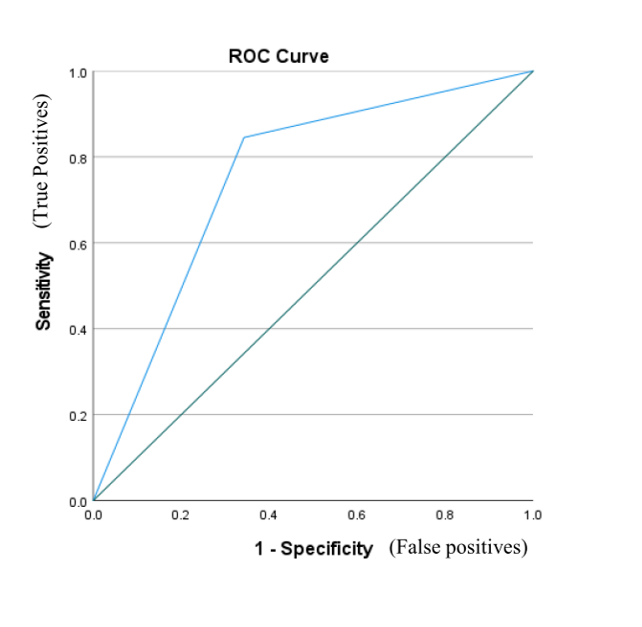
Each 1-percentage-point increase in HbA1c was associated with higher odds of breast cancer (crude OR = 7.86, 95% CI: 4.85–12.76; p < 0.001). After adjustment for BMI, family history, hormonal contraceptive use, alcohol consumption, education and marital status (Model B, excluding T2DM), the association persisted (aOR = 9.30, 95% CI: 5.14–16.83; p < 0.001; Table 2). In this model, BMI (aOR = 1.45, 95% CI: 1.29–1.62), family history (aOR = 2.91, 95% CI: 1.23–6.90) and alcohol consumption (aOR = 3.15, 95% CI: 1.08–9.23) remained associated with breast cancer, whereas hormonal contraceptive use (aOR = 1.51, 95% CI: 0.72–3.21), education and marital status were not. Model B fitted the data adequately (Hosmer–Lemeshow χ² = 11.91, df = 8, p = 0.155; Nagelkerke R² = 0.670; 82.8% correctly classified). In the sensitivity analysis restricted to the 200 women without previously diagnosed T2DM (79 cases, 121 controls), the association persisted (crude OR = 6.61, 95% CI: 3.84–11.41; aOR = 6.52, 95% CI: 3.36–12.65; p < 0.001; Hosmer–Lemeshow χ² = 7.58, df = 8, p = 0.475; Nagelkerke R² = 0.639). In this subgroup, BMI remained associated with breast cancer (aOR = 1.44, 95% CI: 1.26–1.66), whereas the estimates for family history (aOR = 2.45, 95% CI: 0.92–6.56) and alcohol consumption (aOR = 3.21, 95% CI: 0.98–10.48) were similar in size to the main model but less precise. VIFs in Model B ranged from 1.01 to 1.10. Dichotomized at 6.5%, HbA1c showed moderate discrimination between cases and controls (AUC = 0.751, 95% CI: 0.693–0.809), with a sensitivity of 65.7% and a specificity of 84.5% (Figure 1); about one in three cases had HbA1c at or below this cut-point.
Multicollinearity
Collinearity diagnostics showed no multicollinearity in any model (Tables 4 and 5). VIFs were 1.01–1.03 in Model A and 1.01–1.10 in Model B. With HbA1c and previously diagnosed T2DM entered together, their VIFs were 1.13 and 1.06, respectively, and all tolerances were ≥0.89. No condition index exceeded 30; the highest values (21.2–27.2) loaded on the intercept, HbA1c and BMI, reflecting the uncentered continuous covariates rather than dependency among predictors. HbA1c and previously diagnosed T2DM were weakly correlated (r = 0.197, p < 0.001; 3.9% shared variance).
This hospital-based case-control study found a strong association between hyperglycemia and breast cancer among women attending Meru Teaching and Referral Hospital in Kenya. HbA1c >6.5% was present in 65.7% of the 143 histologically confirmed cases, compared with 15.5% of controls, and each 1-percentage-point increase in HbA1c was associated with about nine-fold higher odds of breast cancer after adjustment for BMI, family history, alcohol consumption, hormonal contraceptive use, education and marital status. The association persisted among women without diagnosed diabetes (aOR = 6.52, 95% CI: 3.36–12.65), so it is not explained by known diabetes. These findings are consistent with reports of elevated HbA1c in breast cancer patients [5,20] and with the graded relationship between HbA1c and cancer reported in a Swedish national cohort of adults with diabetes [31].
These findings should be interpreted as an association, not as evidence that hyperglycemia causes breast cancer. HbA1c was measured at or shortly after diagnosis, so it cannot be established whether hyperglycemia preceded the cancer. Elevated HbA1c among cases could partly result from the disease itself, through tumor-related inflammation and insulin resistance, or from the psychological stress, reduced physical activity and dietary change that may accompany symptomatic disease. Because HbA1c reflects glycemia over the preceding 8–12 weeks and cases were enrolled at diagnosis, the values are unlikely to reflect treatment-related hyperglycemia such as that induced by corticosteroids given with chemotherapy, but reverse causation cannot be excluded. Prospective cohorts in which glycemia is measured years before diagnosis are required to establish temporality; some such studies have reported modest or null associations for breast cancer [21,32].
Previously diagnosed T2DM, alcohol consumption, family history of breast cancer, hormonal contraceptive use and higher BMI were each associated with breast cancer in the risk-factor model. These associations are directionally consistent with the international literature [32–34], but several are larger than pooled estimates. Umbrella reviews report a 10–30% higher risk of breast cancer among women with T2DM [32], compared with more than five-fold higher odds in this study, and the association with hormonal contraceptive use is larger than that reported in a Danish national cohort [34]. The association with hormonal contraceptive use was, moreover, attenuated and no longer statistically significant when HbA1c rather than diagnosed diabetes was included in the model (aOR = 1.51, 95% CI: 0.72–3.21), suggesting that it is not robust. Plausible explanations include the high background prevalence of metabolic disease in this population, the joint effect of obesity and diabetes [33], residual confounding by unmeasured factors, and the selection and temporal biases inherent in a hospital-based case-control design. These estimates should therefore be regarded as context-specific associations rather than transportable measures of risk.
The observed 65.7% prevalence of hyperglycemia among cases is higher than rates reported in many high-income cohorts and in some African hospital-based studies [22]. This may reflect the dual burden of rising, often undiagnosed T2DM and late-stage breast cancer presentation common in sub-Saharan Africa, where 78% of Kenyan cases are diagnosed at stages II–IV [2,4]. Biologically, these associations are plausibly explained by hyperglycemia-driven mechanisms, including the Warburg effect (increased aerobic glycolysis), hyperinsulinemia and IGF-1 signalling, oxidative stress, mTOR pathway activation and chronic low-grade inflammation mediated by advanced glycation end-products, IL-6 and TNF-α [6,8,14]. Inflammation is a shared feature of breast cancer [13] and of the metabolic conditions that cluster with hyperglycemia, including prediabetes, metabolic syndrome and obesity [15–17], which may help explain why both BMI and hyperglycemia were associated with breast cancer in this study [33,35]. Inflammatory markers were not measured, however, so this pathway could not be examined directly.
The choice of controls requires consideration. Controls were women with benign breast masses from the same diagnostic pathway as the cases, which ensured a common source population and comparable exposure measurement [26,27]. Benign breast disease may share hormonal, metabolic and inflammatory determinants with breast cancer [28]. If hyperglycaemia is more common among women with benign breast disease than in the general population, as the 15.5% prevalence among controls suggests, the odds ratios reported here are more likely to be underestimated than overestimated. However, they may differ from estimates based on healthy community controls. Residual confounding is also possible. The analyses adjusted for age, BMI, family history, hormonal contraceptive use, alcohol consumption, education and marital status, but data on menopausal status, parity, breastfeeding, age at menarche and menopause, menopausal hormone therapy, physical activity, diet, smoking, hypertension, dyslipidaemia, family history of diabetes, antidiabetic medication (including metformin and insulin) and corticosteroid use were not collected. Several of these factors are related to both glycaemic status and breast cancer and could bias the estimates in either direction. Antidiabetic treatments may themselves modify cancer risk [36]; the sensitivity analysis restricted to women without diagnosed diabetes, who would not have been receiving such treatment, partly addresses this concern.
Strengths of the study include pathological confirmation of case and control status, standardised HbA1c measurement with quality assurance, separate modelling of HbA1c and diagnosed diabetes with collinearity diagnostics, and a sensitivity analysis among women without diagnosed diabetes. In addition to the limitations discussed above, the single-site, hospital-based design limits generalizability to the broader community; a single HbA1c measurement does not capture long-term glycaemic trajectory; family history, hormonal contraceptive use and alcohol consumption were self-reported as binary variables without dose or duration and are subject to recall and social desirability bias; and data on BRCA mutation status, tumour molecular subtype and inflammatory markers were not available.
These findings have practical but limited implications. With an AUC of 0.751, a sensitivity of 65.7% and a specificity of 84.5%, HbA1c has only moderate discriminatory ability: at the 6.5% cut-point it would miss about one in three women with breast cancer and misclassify about one in six women without it. It is therefore not suitable as a screening or diagnostic test for breast cancer and cannot replace clinical breast examination, imaging or pathological diagnosis. The more immediate implication is clinical. Two-thirds of women with newly diagnosed breast cancer in this setting had HbA1c above 6.5%, and about a third of these had no previous diabetes diagnosis. Because hyperglycaemia at diagnosis has been associated with poorer outcomes in women with breast cancer [7,37], assessing glycaemic status at diagnosis and linking affected women to diabetes care is a reasonable step that uses an inexpensive, widely available test. This fits within the integrated non-communicable disease service models being developed in Kenya and the region [2,38]. Whether women with diabetes would benefit from more intensive breast surveillance cannot be determined from this study and requires prospective evaluation.
Elevated HbA1c was strongly associated with breast cancer among women evaluated for breast masses at a Kenyan referral hospital. Hyperglycaemia was present in 65.7% of cases and 15.5% of controls; mean HbA1c was significantly higher in cases (6.89% vs 5.82%; p < 0.001), and the association persisted after adjustment for measured confounders (aOR = 9.30 per 1-percentage-point increase) and among women without diagnosed diabetes (aOR = 6.52). Because HbA1c was measured at diagnosis and controls had benign breast disease, the findings demonstrate an association rather than a causal effect, and the moderate discriminatory ability of HbA1c (AUC = 0.751) does not support its use for breast cancer screening. The high burden of hyperglycaemia among women with breast cancer supports routine assessment and management of glycaemic status after diagnosis. Prospective, population-based studies with comprehensive measurement of reproductive, lifestyle, metabolic and inflammatory factors are needed to determine whether hyperglycaemia precedes and contributes to breast cancer in African women.
What is already known about the topic
What this study adds
Conceptualization: Herbert Kibebe
Methodology: Herbert Kibebe, Eric M. Muchiri
Data Curation: Herbert Kibebe
Formal Analysis: Herbert Kibebe
Investigation: Herbert Kibebe
Project Administration: Herbert Kibebe
Software: Maryjoy Kaimuri
Validation: Maryjoy Kaimuri
Supervision: Eric M. Muchiri, Maryjoy Kaimuri
Writing – Original Draft: Herbert Kibebe
Writing – Review & Editing: Eric M. Muchiri, Maryjoy Kaimuri
| Characteristic | Cases (n=143) | Controls (n=142) | p-value |
|---|---|---|---|
| Mean age (years) | 49.6 ± 10.0 | 49.4 ± 8.8 | 0.82 |
| Married | 115 (80.4%) | 93 (65.5%) | 0.017a |
| Tertiary education | 17 (11.9%) | 8 (5.6%) | 0.288b |
| Mean BMI (kg/m²) | 28.1 ± 3.7 | 24.3 ± 3.4 | <0.001 |
| Previously diagnosed T2DM (yes) | 64 (44.8%) | 21 (14.8%) | <0.001 |
| Family history of breast cancer | 42 (29.4%) | 26 (18.3%) | 0.028 |
| Alcohol consumption (yes) | 32 (22.4%) | 13 (9.2%) | 0.002 |
| Hormonal contraceptive use (ever) | 57 (39.9%) | 38 (26.8%) | 0.019 |
| Mean HbA1c (%) | 6.89 ± 0.75 | 5.82 ± 0.71 | <0.001 |
| HbA1c >6.5% | 94 (65.7%) | 22 (15.5%) | <0.001 |
| Variable | Cases n (%) | Controls n (%) | Crude OR (95% CI) | Adjusted OR (95% CI)a |
|---|---|---|---|---|
| HbA1c ≤6.5% | 49 (34.3) | 120 (84.5) | 1.00 (reference) | — |
| HbA1c >6.5% | 94 (65.7) | 22 (15.5) | 10.46 (5.91–18.52) | — |
| HbA1c, per 1-percentage-point increase (N = 285) | 7.86 (4.85–12.76) | 9.30 (5.14–16.83) | ||
| HbA1c, per 1-percentage-point increase, women without previously diagnosed T2DM (n = 200)b | 6.61 (3.84–11.41) | 6.52 (3.36–12.65) | ||
| BMI, per 1 kg/m² | 1.45 (1.29–1.62) | |||
| Family history of breast cancer (yes) | 2.91 (1.23–6.90) | |||
| Alcohol consumption (yes) | 3.15 (1.08–9.23) | |||
| Hormonal contraceptive use (yes) | 1.51 (0.72–3.21) | |||
| Education (per level) | 1.44 (0.86–2.40) | |||
| Marital status (per category) | 1.65 (0.80–3.43) |
a Model B: all variables shown entered simultaneously; previously diagnosed T2DM was not included to avoid over-adjustment for glycemic status. Hosmer–Lemeshow χ² = 11.91, df = 8, p = 0.155; Nagelkerke R² = 0.670. — not estimated.
b Sensitivity analysis excluding women with previously diagnosed T2DM (79 cases, 121 controls), adjusted for the same covariates; Hosmer–Lemeshow χ² = 7.58, df = 8, p = 0.475; Nagelkerke R² = 0.639.
Abbreviations: OR, odds ratio; CI, confidence interval; T2DM, type 2 diabetes mellitus; BMI, body mass index; HbA1c, glycated hemoglobin.
| Factor | Adjusted OR (95% CI) | p-value |
|---|---|---|
| Previously diagnosed T2DM (yes) | 5.62 (2.80–11.27) | <0.001 |
| Alcohol consumption (yes) | 4.04 (1.71–9.57) | 0.001 |
| Family history of breast cancer (yes) | 2.74 (1.34–5.59) | 0.006 |
| Hormonal contraceptive use (yes) | 2.15 (1.14–4.06) | 0.018 |
| BMI (per 1 kg/m² increase) | 1.39 (1.27–1.52) | <0.001 |
| Age (per year) | 1.00 (0.97–1.03) | 0.980 |
Hosmer–Lemeshow χ² = 6.47, df = 8, p = 0.595; Nagelkerke R² = 0.469; 76.1% correctly classified.
HbA1c was modelled separately to avoid over-adjustment for glycemic status (see Table 2); collinearity diagnostics are given in Tables 4 and 5.
Abbreviations: OR, odds ratio; CI, confidence interval; T2DM, type 2 diabetes mellitus; BMI, body mass index.
| Model | Predictors | VIF range | Highest VIF (tolerance) | Maximum condition index | Collinearity |
|---|---|---|---|---|---|
| Model A (risk-factor model) | T2DM, family history, alcohol, contraceptive use, age, BMI | 1.01–1.03 | BMI 1.03 (0.968) | 21.2 | None |
| Model B (HbA1c model) | HbA1c, BMI, family history, alcohol, contraceptive use, education, marital status | 1.01–1.10 | HbA1c 1.10 (0.912) | 25.9 | None |
| HbA1c and T2DM together | Model B predictors + T2DM | 1.01–1.13 | HbA1c 1.13 (0.886); T2DM 1.06 (0.940) | 27.2 | None |
Table 5: Variance inflation factors by predictor
| Predictor | Model A | Model B | HbA1c and T2DM together |
|---|---|---|---|
| HbA1c | — | 1.10 | 1.13 |
| Previously diagnosed T2DM | 1.03 | — | 1.06 |
| BMI | 1.03 | 1.05 | 1.07 |
| Family history of breast cancer | 1.01 | 1.01 | 1.01 |
| Alcohol consumption | 1.01 | 1.02 | 1.02 |
| Hormonal contraceptive use | 1.01 | 1.03 | 1.03 |
| Age | 1.02 | — | — |
| Education level | — | 1.01 | 1.02 |
| Marital status | — | 1.02 | 1.02 |
— not in model. Tolerance = 1/VIF; all tolerances ≥0.886.